


Understanding Disability Support for People Involved with the Justice System
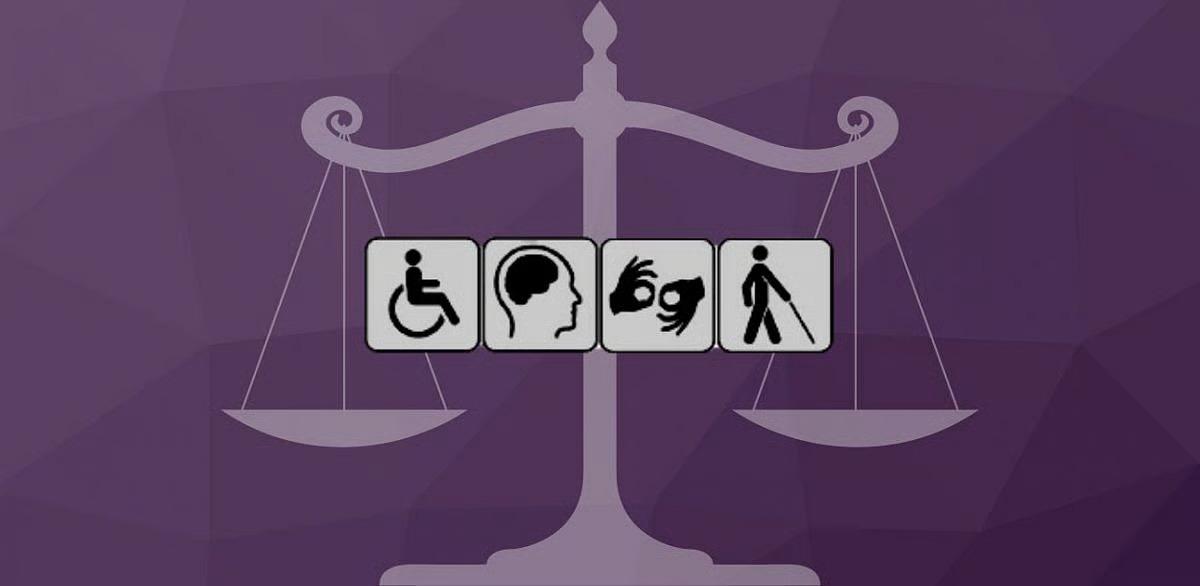
Access to an appropriate forensic disability service in Adelaide can help people with disability who are involved with the justice system receive support that addresses their individual needs, daily challenges, and goals. People may interact with the justice system while in custody, on remand, on bail, probation or parole, under a community-based order, or subject to a forensic order. The NDIS confirms that people with disability involved in the justice system have the same rights to become or remain NDIS participants.
Understanding Disability and Justice System Involvement
People with disability can experience barriers when interacting with the justice system. Communication difficulties, cognitive impairment, behavioural challenges, mobility limitations, or difficulties understanding information may affect how a person manages appointments, requirements, routines, and transitions.
Justice involvement can occur in different circumstances. It may include being in a correctional facility, awaiting sentencing, reporting to a community corrections agency, serving a community-based order, or being under a forensic order.
It is important to understand that disability support and justice responsibilities are different. The NDIS is responsible for disability-related supports, while state and territory justice systems remain responsible for areas such as supervision, law enforcement, community safety, and compliance with justice conditions.
Why Personalised Support Matters
Every person has different abilities, circumstances, and support requirements. A person with an intellectual disability may need help understanding information, while someone with an acquired brain injury may require support with memory, planning, communication, or daily routines.
Personalised support starts by understanding the individual rather than focusing only on their justice involvement. Support planning can consider their strengths, preferences, communication style, functional limitations, daily routines, and personal goals.
For people requiring ndis forensic disability support, this individualised approach can help create practical strategies that promote independence while taking relevant safety considerations into account.
Supporting Communication and Understanding
Communication can be a significant consideration for people with disability who interact with the justice system. Some individuals may have difficulty understanding complex information, remembering instructions, communicating their needs, or processing unfamiliar situations.
Support workers can assist by using clear and simple language, allowing additional time, using visual information where appropriate, and checking whether the person understands what is being discussed.
Communication support should respect the individual's preferred method of communication. This can help participants express their needs and participate more effectively in decisions concerning their daily support.
Supporting Daily Living Skills
Disability support can assist participants with practical activities that help them live more independently. Depending on individual needs, this may include personal care, meal preparation, household tasks, appointment management, communication, transport, and community participation.
The NDIS explains that funded supports can help participants complete daily living activities, build independence and skills, and work toward their goals.
For someone transitioning back into the community, these skills can be particularly important. Support may help the individual establish routines, practise everyday tasks, access appropriate services, and gradually develop confidence in managing daily life.
Supporting Positive Behaviour
Some people with complex disabilities may experience behaviours of concern. These behaviours can sometimes be connected to communication difficulties, sensory needs, emotional distress, environmental factors, or unmet needs.
Understanding the reason behind a behaviour is important. Support strategies may focus on identifying triggers, improving communication, establishing predictable routines, and teaching alternative skills.
Positive behaviour support should focus on improving quality of life and supporting the person's rights and dignity. Where behaviour support plans or restrictive practices are relevant, appropriate NDIS requirements and safeguards need to be followed.
A suitable forensic disability service in Adelaide should understand the importance of respectful, structured, and individualised approaches when supporting people with complex behavioural needs.
Support During Transition From Custody
Transitioning from custody back into the community can involve significant changes. A person may need to establish housing, reconnect with services, attend appointments, rebuild routines, and access community-based supports.
The NDIS has Justice Liaison Officers who work with people with disability in the justice system and help connect them with NDIS supports. They can work with justice services and assist participants or people applying for the NDIS.
Planning ahead can help make a transition more organised. The NDIS notes that people in custody who may be eligible can apply before release so that, if eligible, disability supports can potentially be arranged to help prepare for their transition.
Coordinating With Other Services
People with complex needs may have several organisations or professionals involved in their lives. These can include disability support teams, health professionals, mental health services, housing services, legal representatives, community corrections, family members, and other community services.
Effective coordination can help ensure everyone understands their responsibilities. However, disability support should not replace services that are the responsibility of another system.
For example, the justice system remains responsible for managing community supervision orders. The NDIS may fund disability-related support coordination where it relates to a participant's disability and helps them connect with or manage their NDIS supports.
Supporting Community Participation
Community participation can help individuals build confidence and develop practical skills. Depending on the person's circumstances, this may include attending appointments, shopping, participating in recreational activities, visiting family, using community facilities, or accessing education and employment-related opportunities.
For people with forensic backgrounds, community participation may need to be carefully planned around individual support requirements and any applicable legal conditions.
The purpose of disability support is to help participants access their communities and work toward their goals while ensuring that responsibilities belonging to the justice system remain with the appropriate authorities.
Building Independence Over Time
Independence does not necessarily mean doing everything without assistance. For a person with complex needs, independence may involve making decisions, communicating preferences, managing parts of a routine, preparing a meal, using transport, or participating in community activities with appropriate support.
A good ndis forensic disability support approach can encourage participants to take part in tasks rather than having everything completed for them.
Support workers can provide reminders, demonstrations, encouragement, or practical assistance based on what the individual requires. Progress may happen gradually, and goals should reflect the participant's abilities and circumstances.
Safety, Rights, and Dignity
Safety is an important consideration when supporting people with complex needs. At the same time, safety planning should respect the participant's dignity, rights, and choice.
The NDIS states that it provides disability-related supports for people involved in the justice system, but it does not replace the justice system's responsibilities for supervision, monitoring, law enforcement, or community safety.
Support plans should therefore clearly distinguish between disability-related assistance and justice-related responsibilities. Clear roles can help reduce confusion and support better coordination.
Choosing the Right Disability Support
When looking for ndis forensic disability support, participants and families can consider several factors:
-
Experience with complex disability needs
-
Understanding of forensic and justice-related circumstances
-
Person-centred support practices
-
Communication skills
-
Positive behaviour support experience
-
Staff training and consistency
-
Community participation support
-
Clear communication with the wider support network
-
Respect for participant choice and dignity
It is also important to discuss the individual's goals and understand what types of support may be appropriate under their NDIS plan.
The Role of Families and Carers
Families and carers can provide valuable information about a person's routines, communication style, preferences, strengths, and support needs. With appropriate consent, this information can help support workers provide more consistent care.
Families may also need support themselves, particularly when managing complex care requirements or changes during a person's transition into the community.
Good communication between participants, families, carers, and support teams can help create a more coordinated approach while keeping the participant's choices at the centre.
Conclusion
Understanding disability support for people involved with the justice system requires a clear distinction between disability-related needs and justice responsibilities. People with disability retain their rights to access the NDIS, including when they are involved with the justice system.
A suitable forensic disability service in Adelaide can provide personalised assistance with daily living, communication, behaviour support, community participation, skill development, and transitions. Appropriate ndis forensic disability support can help participants work toward greater independence while receiving assistance that reflects their individual circumstances.
The right approach is respectful, person-centred, and focused on practical outcomes. By combining appropriate disability support with effective coordination across relevant services, individuals can be better supported to manage daily life and work toward meaningful goals.
FAQs
1. Can a person involved with the justice system access the NDIS?
Yes. The NDIS states that people with disability involved with the justice system have the same rights to become or remain NDIS participants as other eligible people.
2. What does NDIS forensic disability support involve?
ndis forensic disability support can include disability-related assistance such as daily living support, capacity building, behaviour support, communication assistance, support coordination, and help with community participation, depending on the participant's individual needs and NDIS plan.
3. Who is responsible for justice-related supervision?
Justice agencies remain responsible for supervision, monitoring, law enforcement, community safety, and compliance with relevant justice conditions. The NDIS is responsible for disability-related supports that meet its funding requirements.
4. What is a Justice Liaison Officer?
A Justice Liaison Officer is an NDIA staff member who helps people with disability involved in the justice system connect with NDIS supports. JLOs can work with justice services and assist people with disability during custody and transitions back into the community.
5. How can disability support help after release from custody?
Disability support may help an eligible participant build daily living skills, establish routines, access community supports, manage disability-related needs, and work toward greater independence after returning to the community.

 English
 Arabic
 French
 Spanish
 Portuguese
 Deutsch
 Turkish
 Dutch
Dutch
 Italiano
 Russian
 Romaian
 Greek
Greek