


What Factors Should You Consider Before Installing a New Furnace?
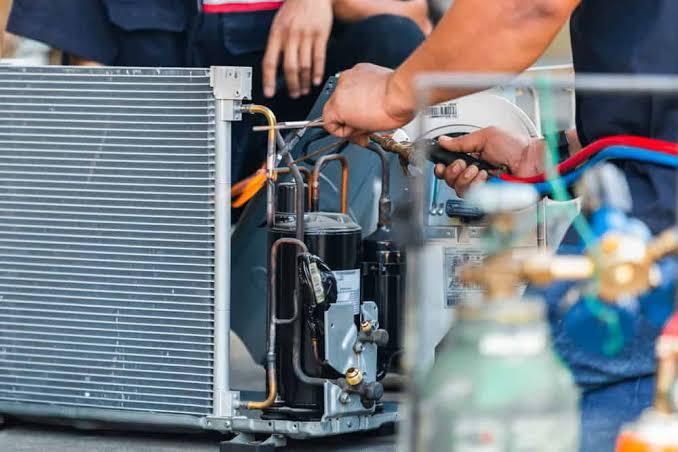
A new furnace can provide you with many years of reliable, efficient heating, however, it's a costly investment that can have a significant impact on your comfort, energy efficiency, and the performance of your heating system. Here are seven important details to consider before scheduling a furnace installation in your home. Size Energy efficiency Fuel type Ductwork installation requirements longevity and maintenance
Consider the Size of Your Home
Consider size and layout When choosing a furnace, you need to choose a system which is appropriately sized for your home. If a system is too small it may not be able to generate enough heat to keep your house warm during the winter, and if it is too large it will turn on and off more than is needed.
An expert can assess factors such as the size of the house, the level of insulation, the type of windows, the design of the house and others to reach a suitable heating capacity. The right size can help you get steady indoor conditions and relieve the furnace from excessive stress.
Evaluate Heating Efficiency
Energy efficiency of the new furnace. An efficient furnace will be able to transfer the energy into usable heat more effectively, potentially leading to lower energy use.
Homeowners need to look at efficiency information for various models and factor in the expected length of time the furnace will run. Cost is an important consideration but it is also good to think about operating and maintenance costs for the lifetime of the equipment.
Choose the Appropriate Fuel Type
What fuels are used to run a furnace? The energy source used to power your furnace might differ depending on the condition of your home and any existing electric and gas supplies. Both natural gas and electric furnaces are prevalent.
Modifications Needed to Alter Fuel Types You will need to make other modifications if you want to change the fuel type. For example, you might need to install the right type of gas fitting and vent for a gas system, or specific electrical requirements for an electric system.
Talking through these needs before equipment selection can help homeowners get a sense of the entire install.
Inspect the Existing Ductwork
The ductwork within your home may play a role in poor furnace performance. If there are leaks or tears in your ductwork, if it is not insulated well, or if it is clogged, then less warm air will be able to flow through your home.
Will a New Furnace Fix My Ducts? Replacing your furnace does not automatically fix your ductwork. An HVAC technician will be able to evaluate the duct system and assess whether it is large enough and healthy enough for the new furnace.
Consider the Thermostat
A thermostat can tell your furnace when to turn on as well as help you maintain the heat you want. Before buying a new furnace, be sure your thermostat is compatible with the type of system you want.
Upgrading to a Programmable or Smart Thermostat - Some owners want to take things a step further and upgrade to a programmable or smart thermostat. Again, it will depend on the furnace, the house, and the type of control that the owner wants.
Think About Installation Location
Where the furnace is placed There should be sufficient space around the equipment for service, to ensure that it is accessible, and for its optimal operation.
Determine if the furnace is in an inconvenient position. If so, homeowners should ask themselves if the same spot will still work when they replace the furnace. Relocation might involve additional ducting, electrical wiring, or other adjustments.
Understand Installation Requirements
There are a variety of furnace installation specifications depending on the model. Electrical, venting, drainage, air intake, gas, and other connections may be necessary.
Before buying a system, the homeowners should get the installation area inspected. This will give them an idea of the project and prevent unnecessary changes.
Consider Long-Term Maintenance
Even a new furnace needs routine maintenance to run efficiently. Ask about a new furnace's suggested maintenance schedule, including filter changes, cleaning and other upkeep.
Scheduling professional inspections will alert you to any issues early and maintain essential functions. Something as simple as swapping out filters on a set schedule can ensure the airflow continues smoothly.
Be mindful of the Age and State of Other HVAC Equipment
While having a furnace replaced, it is also worth considering the state of your air conditioner. If it is old and/or in need of repairs every year, having a new air conditioning system installed with the new furnace is something you should ask your HVAC technician about.
Whether your current air conditioning isn't cooling well, making odd noises, blowing minimal air or constantly breaking down, professional AC Repair in Rochester, IL can let you know if you need to get it fixed or replaced.
Compare Initial and Long-Term Costs
The cost of a furnace is not the only part of the total purchase price. When determining the total investment, consider the installation, operating costs, repairs and maintenance.
It is possible that a less expensive system is not as efficient or feature-equipment as a different model. Whether you opt for the cheaper model or a more expensive unit, you will want to compare the total ownership costs before making a final choice.
Work With a Qualified Professional
Installation by a professional is beneficial as a furnace should be appropriately sized, connected, setup, and tested. An incorrectly installed furnace might impact heating performance and reliability.
A licensed technician will assess your home, walk you through your furnace options, assess what needs to be done and ensure it is installed properly.
Prepare for a Successful Furnace Installation
Selecting a new furnace is about more than picking a price. When shopping for a new furnace, homeowners need to look at heating capacity, efficiency, energy source, duct configuration, thermostat controls, location of the furnace, upkeep, and monthly operating expenses.
By considering these factors prior to installation, a homeowner can select the right equipment for their home and heating requirements. When properly installed, their new furnace can provide reliable heat and comfortable temperatures during the winter months.

 English
 Arabic
 French
 Spanish
 Portuguese
 Deutsch
 Turkish
 Dutch
Dutch
 Italiano
 Russian
 Portuguese (Brazil)
 Greek
Greek