


Makeup Remover and Cleanser: How to Use Both for Clean, Comfortable Skin
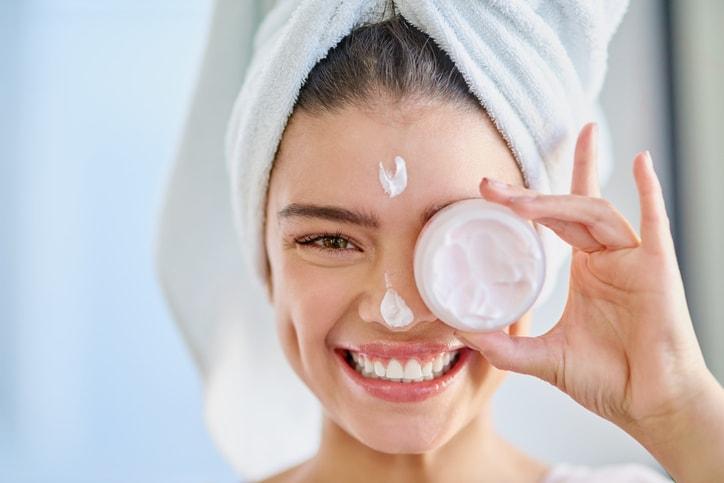
Quick Answer: A makeup remover and cleanser serve different purposes. Makeup remover helps dissolve makeup, sunscreen, and other long-wear products, while a cleanser removes remaining residue, oil, sweat, and impurities from the skin. Using both can be useful when you wear makeup or water-resistant sunscreen regularly.
Removing makeup properly is more than simply wiping your face with a cleansing wipe. Makeup, sunscreen, sebum, and environmental impurities can remain on the skin if they are not removed effectively.
A makeup remover can loosen these products, while a facial cleanser completes the cleansing process.
What Is the Difference Between Makeup Remover and Cleanser?
The main difference is what each product is designed to remove.
| Makeup Remover | Facial Cleanser |
|---|---|
| Helps dissolve makeup | Removes oil, sweat, and impurities |
| Useful for foundation and eye makeup | Cleans the skin after makeup removal |
| Can help remove water-resistant products | Helps leave skin clean and comfortable |
| Often used as the first cleansing step | Usually used after makeup remover when double cleansing |
| Available as oil, balm, micellar water, or bi-phase formulas | Available as gel, foam, cream, lotion, and other formulas |
They are not necessarily interchangeable.
Do You Need Both Makeup Remover and Cleanser?
Not everyone needs two separate products.
If you regularly wear foundation, waterproof eye makeup, long-wear lipstick, or water-resistant sunscreen, using a makeup remover before cleansing can make removal easier.
If you don't wear makeup, a suitable cleanser may be enough for your daily routine.
The important point is to avoid leaving makeup and sunscreen residue on your skin overnight.
How Does Makeup Remover Work?
Different makeup removers use different formulations to loosen cosmetic products.
Common types include:
- Cleansing oils
- Cleansing balms
- Micellar water
- Bi-phase makeup removers
- Makeup-removing lotions
Oil-based removers can be particularly useful for dissolving oil-based makeup and water-resistant products.
Micellar water can be convenient for lighter makeup or quick cleansing, depending on the formula.
Types of Makeup Remover
Cleansing Oil
Cleansing oils are designed to dissolve makeup, sunscreen, and excess sebum.
They can be particularly useful for people who wear long-lasting or water-resistant makeup.
Cleansing Balm
Cleansing balms have a thicker texture that melts into the skin when massaged.
They can be convenient for removing heavier makeup.
Micellar Water
Micellar water uses micelles to help lift makeup, oil, and impurities from the skin.
It can be useful for lighter makeup or as a convenient first cleansing step.
Eye Makeup Remover
Eye makeup removers are specifically formulated for the delicate eye area.
If you wear waterproof mascara or long-lasting eyeliner, a dedicated eye makeup remover may make removal easier and reduce the need for excessive rubbing.
How to Choose a Cleanser After Makeup Removal
Your cleanser should match your skin type.
| Skin Type | Cleanser Type to Consider |
|---|---|
| Oily | Gentle gel or foaming cleanser |
| Dry | Cream or hydrating cleanser |
| Combination | Mild gel or balanced cleanser |
| Sensitive | Gentle, fragrance-free cleanser |
| Acne-prone | Mild cleanser suited to blemish-prone skin |
A cleanser should remove remaining residue without leaving your skin excessively tight or uncomfortable.
Makeup Remover and Cleanser for Oily Skin
Oily skin may benefit from a lightweight first cleanser followed by a gentle water-based cleanser.
A simple routine could be:
Cleansing oil or micellar water → Gentle gel cleanser → Lightweight moisturizer
Avoid repeatedly scrubbing your face to remove makeup. Excessive friction can irritate the skin.
Makeup Remover and Cleanser for Dry Skin
Dry skin generally benefits from a gentler approach.
Consider:
- Cleansing balm
- Cleansing oil
- Cream cleanser
- Hydrating cleanser
- Moisturizer after cleansing
Avoid very hot water and aggressive cleansing if your skin is already dry or tight.
Makeup Remover and Cleanser for Sensitive Skin
Sensitive skin can react to fragrances, alcohol, preservatives, or other ingredients depending on the formulation.
Choose simple products and avoid unnecessary rubbing.
You may prefer:
- Fragrance-free formulas
- Gentle cleansing products
- Soft cotton pads when needed
- Lukewarm water
- Minimal cleansing steps
If a product consistently causes burning or redness, stop using it.
Expert Tip: The biggest mistake with makeup removal is often friction, not a lack of cleansing power. Let your remover dissolve the makeup before wiping or rinsing. For eye makeup, hold the soaked pad against the closed eyelid for a few seconds rather than repeatedly rubbing back and forth.
What Is Double Cleansing?
Double cleansing means using two cleansing steps, usually an oil-based or makeup-removing cleanser followed by a water-based facial cleanser.
A typical routine is:
Step 1: Makeup remover or cleansing oil/balm
Dissolves makeup, sunscreen, and oil-based residue.
Step 2: Facial cleanser
Removes remaining residue, sweat, and impurities.
Double cleansing can be useful at night when you have worn makeup or substantial sunscreen.
It is not necessarily required every morning.
Should You Double Cleanse Every Day?
If you wear makeup or water-resistant sunscreen regularly, double cleansing may be useful at night.
However, more cleansing is not automatically better.
If you do not wear makeup and your regular cleanser adequately removes your sunscreen, you may not need two separate cleansing products.
Pay attention to how your skin feels after cleansing.
Makeup Remover vs Makeup Wipes
Makeup wipes can be convenient, but convenience does not necessarily make them the best choice for every situation.
| Makeup Remover | Makeup Wipes |
|---|---|
| Available in several formulations | Convenient and portable |
| Can dissolve makeup effectively | Useful for quick removal |
| Can be followed by a cleanser | May require more rubbing |
| Can be selected for different skin types | Some formulas may irritate sensitive skin |
If you use wipes, avoid treating them as a substitute for proper cleansing when your skin still has visible makeup or sunscreen residue.
Should You Use Cleanser After Micellar Water?
It depends on the product and how you use it.
Some micellar waters are designed as a cleansing step that can be rinsed or followed by another cleanser. If you wear substantial makeup or sunscreen, following micellar water with a suitable facial cleanser can provide a more complete cleansing routine.
Always follow the instructions on your specific product.
How to Remove Makeup Without Irritating Your Skin
Removing makeup should not hurt or leave your skin burning.
Follow these steps:
Step 1: Remove Eye Makeup
Use a suitable eye makeup remover and gently dissolve mascara, eyeliner, and eyeshadow.
Step 2: Remove Face Makeup
Apply cleansing oil, balm, micellar water, or another makeup remover.
Step 3: Massage Gently
Allow the product to break down makeup instead of scrubbing aggressively.
Step 4: Rinse or Remove According to Instructions
Follow the product's directions.
Step 5: Cleanse
Use your facial cleanser to remove remaining residue.
Step 6: Moisturize
Apply a moisturizer appropriate for your skin type.
Morning vs Evening Cleansing
Your cleansing routine does not have to be identical in the morning and evening.
Morning
A simple routine may be:
Cleanser → Moisturizer → Sunscreen
Some people with dry or sensitive skin may find that a very gentle cleanse or even rinsing with water works better in the morning.
Evening
If you wear makeup:
Makeup remover → Cleanser → Treatment/Serum → Moisturizer
This is when thorough makeup and sunscreen removal matters most.
Common Mistakes
Rubbing the Eye Area Too Hard
The skin around the eyes is delicate.
Using Only a Makeup Wipe
A wipe may not remove everything.
Using Very Hot Water
Hot water can contribute to dryness and discomfort.
Scrubbing to Remove Waterproof Makeup
Let the remover dissolve the product instead.
Using a Harsh Cleanser
A strong cleanser can leave the skin feeling tight.
Over-Cleansing
Repeated cleansing can irritate the skin and compromise the skin barrier.
Pros and Cons
| Pros | Cons |
|---|---|
| Helps remove makeup effectively | Requires an additional cleansing step |
| Useful for waterproof cosmetics | Some removers may feel oily |
| Can reduce the need for aggressive rubbing | Certain formulas may irritate sensitive skin |
| Different formulas suit different preferences | Double cleansing is unnecessary for everyone |
| Can complement a nighttime skincare routine | Choosing the wrong cleanser can cause dryness |
Key Takeaways
| Key Point | What to Remember |
|---|---|
| Makeup remover | Helps dissolve makeup and sunscreen |
| Cleanser | Removes remaining residue and impurities |
| Double cleansing | Useful when wearing makeup or heavy sunscreen |
| Oily skin | Consider lightweight cleansing formulas |
| Dry skin | Consider balm, oil, or hydrating cleansers |
| Sensitive skin | Choose gentle, simple formulas |
| Eye makeup | Avoid aggressive rubbing |
| Night routine | Thorough cleansing is particularly important |
How to Choose a Makeup Remover and Cleanser
The right makeup remover and cleanser combination depends on how much makeup and sunscreen you use and how your skin responds to cleansing.
If you wear waterproof makeup or long-lasting foundation, a cleansing oil, balm, or suitable makeup remover can make the first step easier. Follow it with a gentle facial cleanser if needed.
For minimal makeup, you may not need a complicated routine. Choose products that remove what you actually wear without leaving your skin excessively dry or irritated.
If your skin repeatedly becomes red, painful, itchy, or irritated after cleansing, stop using the product causing the reaction and consider speaking with a dermatologist.
Frequently Asked Questions
Can I use makeup remover instead of cleanser?
A makeup remover is designed primarily to loosen and remove makeup, while a facial cleanser removes remaining oil, sweat, and impurities. If you wear makeup regularly, using a remover followed by a suitable cleanser can be useful. However, the exact routine depends on the product formulation.
Is double cleansing necessary after wearing makeup?
Double cleansing can be useful when you wear foundation, waterproof makeup, or water-resistant sunscreen. The first step dissolves makeup and oily residue, while the second cleanser removes remaining impurities. It is not necessary for everyone and can be excessive if it leaves your skin dry or irritated.
What is the best makeup remover for sensitive skin?
Sensitive skin generally benefits from a gentle makeup remover with a simple formulation and minimal potential irritants. Fragrance-free options may be preferable if fragrance causes irritation. Avoid excessive rubbing, particularly around the eyes, and stop using any product that consistently causes burning or redness.
Should I use cleanser after micellar water?
You may use a cleanser after micellar water, particularly when removing heavier makeup or sunscreen. Whether it is necessary depends on the product and your routine. If you use micellar water as your first cleansing step, following it with a suitable facial cleanser can provide more thorough cleansing.

 English
 Arabic
 French
 Spanish
 Portuguese
 Deutsch
 Turkish
 Dutch
Dutch
 Italiano
 Russian
 Romaian
 Portuguese (Brazil)