


Benefits of Switching to Modern Electric Heat Pumps in Varying Climates
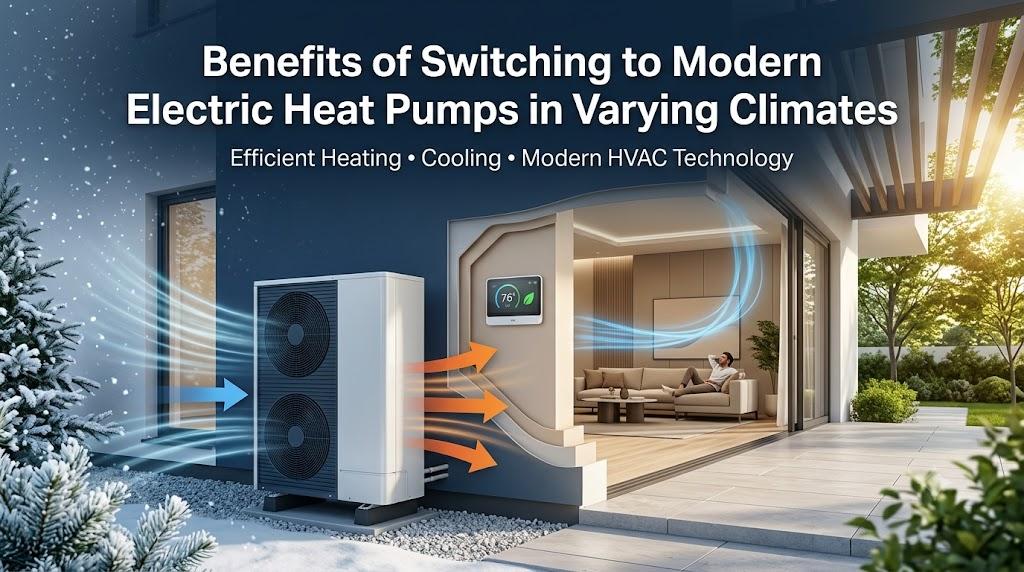
Modern electric heat pumps are changing how homes and commercial buildings manage heating and cooling. Unlike traditional systems that generate heat by burning fuel, heat pumps transfer heat between indoor and outdoor spaces.
This approach can work across many climate zones when the system is correctly selected, sized, installed, and maintained. As energy costs, efficiency goals, and environmental concerns become more important, heat pumps are gaining attention among homeowners, businesses, and HVAC professionals.
For HVAC companies, this shift also creates a growing need for better digital communication. A well-designed WordPress HVAC Theme can help contractors explain heat pump solutions, showcase services, publish educational content, and generate leads online.
How Modern Electric Heat Pumps Work
Modern electric heat pumps move heat instead of creating it directly, allowing one system to provide both heating and cooling.
During cooling mode, the system removes heat from indoor air and transfers it outdoors. During heating mode, the refrigeration cycle reverses and extracts available heat from outside air before transferring it indoors.
This makes heat pumps different from conventional furnaces and electric resistance heaters. Their ability to move existing heat can allow them to deliver more heating energy than the electrical energy they consume under suitable operating conditions.
Modern systems can also include variable-speed compressors, smart controls, and advanced refrigerant technology. These improvements help the equipment respond more accurately to changing indoor and outdoor conditions.
Why Heat Pumps Can Work in Different Climates
Heat pumps can operate in many climates because modern equipment is designed around specific temperature ranges and operating conditions.
The performance of a heat pump depends on several factors, including outdoor temperature, humidity, building insulation, system capacity, equipment type, and installation quality.
In mild climates, heat pumps can provide efficient heating and cooling for much of the year. In colder areas, cold-climate heat pumps can maintain heating performance at lower outdoor temperatures, although efficiency and capacity can vary as temperatures fall.
In hot and humid regions, heat pumps can also provide air conditioning and help manage indoor humidity. Choosing equipment designed for the local climate is therefore essential.
Better Energy Efficiency Can Reduce Energy Use
Heat pumps can provide efficient heating because they transfer heat rather than relying only on direct electrical resistance or fuel combustion.
Efficiency varies with operating conditions and equipment design. Seasonal performance ratings can help consumers compare systems based on expected heating and cooling performance.
Homeowners should consider the complete system rather than focusing on one efficiency number. Proper sizing, ductwork, insulation, airflow, controls, and installation all influence real-world performance.
For HVAC businesses, explaining these factors clearly can build customer trust. A professional WP contact form plugin can provide dedicated service pages where contractors explain efficiency ratings and system options in simple language.
Heat Pumps Can Provide Heating and Cooling
One major benefit of modern heat pumps is that the same system can handle both heating and cooling.
Traditional homes may use a furnace for heating and a separate air conditioner for cooling. A heat pump combines these functions into one central system in many applications.
This can simplify equipment planning and reduce the number of major systems a property needs. However, the right configuration depends on the building, climate, electrical service, existing HVAC equipment, and local requirements.
HVAC contractors can use their websites to explain these options through service guides, installation pages, and comparison articles.
Cold-Climate Heat Pumps Have Improved
Cold-climate heat pumps are designed to maintain useful heating performance when outdoor temperatures drop significantly.
Modern variable-speed systems can adjust compressor operation based on heating demand. Some models can continue operating efficiently at temperatures where older heat pump designs would have needed more backup heating.
However, no heat pump should be selected based only on a general claim that it works in cold weather. Contractors should review the manufacturer's published performance data and local design conditions.
A professional website can help customers understand the difference between standard heat pumps, cold-climate systems, dual-fuel systems, and supplemental heating options.
Heat Pumps Can Improve Indoor Comfort
Modern heat pumps can support more consistent indoor temperatures when correctly sized and controlled.
Variable-speed compressors can operate for longer periods at lower output instead of constantly switching between full operation and shutdown. This may help reduce temperature swings and improve comfort.
Some systems also offer advanced thermostats and zoning controls. These features allow homeowners to manage different areas of a building according to occupancy and comfort needs.
Comfort also depends on factors such as insulation, air sealing, duct design, and humidity control. Therefore, equipment should be considered as part of the complete building system.
Heat Pumps Can Support Electrification Goals
Electric heat pumps can help buildings reduce direct use of fossil fuels for space heating.
Their environmental impact depends on several factors, including the electricity generation mix, equipment efficiency, refrigerant characteristics, and system lifetime. As electricity grids add more low-carbon generation, the emissions profile of electric heating can change over time.
This makes heat pumps relevant to broader building electrification strategies. They can also work alongside technologies such as rooftop solar and battery storage, depending on the property's electrical system and energy goals.
HVAC professionals should present these benefits accurately rather than making universal environmental claims.
Maintenance Remains Important
Regular maintenance helps heat pumps operate reliably and maintain performance over time.
A maintenance program may include:
- Cleaning or replacing air filters
- Checking outdoor coils
- Inspecting electrical connections
- Checking refrigerant-related system performance
- Cleaning indoor and outdoor components
- Inspecting condensate drainage
- Checking airflow
- Reviewing thermostat and control operation
Outdoor units can collect leaves, dust, snow, and other debris. Keeping adequate airflow around the equipment is especially important.
Professional inspection can also identify problems before they lead to major performance or comfort issues.
Proper Sizing Is Critical
Correct system sizing is one of the most important factors in heat pump performance.
An oversized system may cycle more frequently and fail to provide ideal humidity control in some cooling applications. An undersized system may struggle to meet heating or cooling demand during extreme weather.
HVAC professionals can use building characteristics and local design conditions to determine appropriate equipment capacity. Factors such as insulation, window area, building orientation, occupancy, and air leakage can affect heating and cooling loads.
This is why online calculators and simple room-size estimates should not replace professional load calculations when a full HVAC replacement is being planned.
Website Design Matters for HVAC Companies
A professional HVAC website helps contractors explain technical services without overwhelming visitors.
A dedicated HVAC WordPress Theme can provide a foundation for creating service pages for heat pump installation, maintenance, repairs, air conditioning, heating, ductwork, and indoor air quality.
Useful website sections may include:
- Heat pump installation services
- Cold-climate heat pump information
- HVAC maintenance plans
- Heating and cooling repair
- Energy-efficiency guides
- Service area pages
- Customer testimonials
- Contact and quote forms
- Frequently asked questions
- Educational blog content
Clear navigation also helps visitors quickly find the service they need.
SEO Can Help Customers Find Heat Pump Services
Search-focused HVAC content can connect contractors with people researching heating and cooling solutions.
Useful topics include heat pump installation, heat pump maintenance, cold-climate heating, electric HVAC systems, and heat pump repair. Content should answer genuine customer questions instead of repeating keywords.
An HVAC website should also provide clear business information, service locations, contact details, author information, and trustworthy technical references where appropriate.
A responsive HVAC WordPress Theme can support this strategy by providing mobile-friendly layouts and customizable pages. However, rankings depend on many factors beyond the theme, including content quality, technical SEO, authority, relevance, and user experience.
Choosing the Right Heat Pump for a Property
The right heat pump depends on the building, climate, energy goals, and existing HVAC system.
Before purchasing equipment, property owners should consider:
- Local outdoor temperature conditions
- Heating and cooling load
- Available electrical capacity
- Equipment efficiency ratings
- Cold-weather performance
- Backup heating requirements
- Ductwork condition
- Installation requirements
- Warranty and service support
- Long-term operating costs
Professional assessment can help avoid choosing equipment based only on purchase price.
The Future of Electric Heating and Cooling
Electric heat pumps are becoming an important part of modern HVAC planning because they can provide heating and cooling through one technology.
Advances in variable-speed compressors, controls, cold-climate performance, and system integration continue to expand their practical applications. Still, performance depends on selecting suitable equipment and installing it correctly.
For HVAC businesses, this trend creates both a technical and digital opportunity. Contractors need to educate customers about heat pump technology while also making their services easy to discover online.
A well-structured HVAC WordPress Theme can support that goal by providing a professional platform for service information, educational articles, lead generation, and customer communication.
As climate conditions and building requirements continue to vary, there is no single HVAC solution for every property. The most effective approach is to evaluate the local climate, building needs, equipment performance, and installation requirements before making a decision.

 English
 Arabic
 French
 Spanish
 Portuguese
 Deutsch
 Turkish
 Dutch
Dutch
 Italiano
 Russian
 Portuguese (Brazil)
 Greek
Greek