


Laser Cleaner: Modern Surface Treatment for Precise Industrial Results
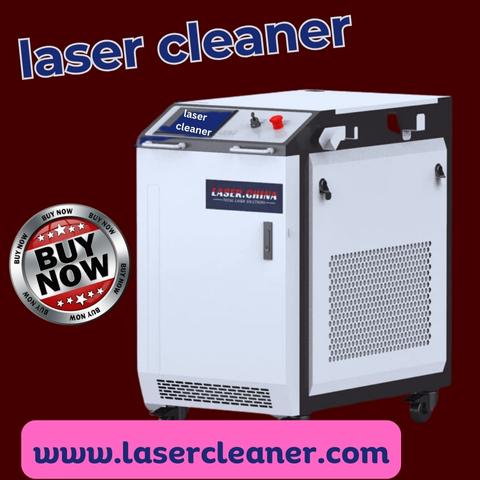
A laser cleaner is an advanced surface treatment system designed to remove unwanted materials from metal and other suitable surfaces with controlled laser energy. Instead of relying on abrasive blasting, strong chemicals, or intensive manual scrubbing, laser cleaning uses focused light to interact with contaminants and separate them from the underlying material.
Modern industries use laser cleaning for applications such as rust removal, paint stripping, oxide removal, oil and grease cleaning, and surface preparation. As manufacturers look for cleaner and more controlled production methods, laser technology has become an increasingly practical option for workshops, factories, maintenance teams, and restoration projects.
How Laser Cleaning Works
The basic working principle of a laser cleaner is based on the interaction between laser energy and surface contaminants. When the laser beam reaches a contaminated area, the unwanted layer absorbs the energy and is rapidly heated or removed from the surface. The underlying material can remain comparatively unaffected when the system is correctly configured.
The cleaning process depends on several factors, including laser power, scanning speed, frequency, focal position, and the characteristics of the material being treated. Operators can adjust these parameters according to the type and thickness of contamination.
This controlled process makes laser cleaning suitable for detailed work where excessive abrasion could damage the original surface.
Removing Rust From Metal Surfaces
Rust removal is one of the most recognized applications of laser cleaning technology. Rust can develop on steel components, tools, machinery, automotive parts, industrial structures, and other metal products exposed to moisture and oxygen.
A laser cleaner can target the rust layer while reducing the need for physical contact with the workpiece. This is useful when the original surface needs to remain intact or when traditional abrasive methods are difficult to control.
For maintenance operations, laser rust removal can also help prepare metal surfaces before painting, welding, coating, or inspection. A properly cleaned surface allows technicians to work with a more consistent foundation.
Paint and Coating Removal
Industrial equipment often requires the removal of old paint, coatings, or surface treatments before refurbishment. Manual sanding and abrasive methods can require significant effort, particularly when working on complex shapes.
Laser cleaning provides a controlled way to process selected areas. The operator can guide the laser over the surface and adjust the settings according to the coating material and substrate.
This approach is particularly useful for machinery restoration, automotive components, metal structures, and manufacturing equipment that require localized coating removal.
Surface Preparation Before Welding
Clean surfaces are important for many welding operations. Oil, oxidation, rust, paint, and other contaminants can interfere with the preparation process.
A laser cleaner can be used before welding to remove unwanted surface layers around the working area. This creates a cleaner preparation zone and can make subsequent fabrication work more consistent.
Handheld laser cleaning equipment can be particularly practical in workshops because operators can move the cleaning head around different components and work on areas that are difficult to reach using larger conventional equipment.
Cleaning Industrial Machinery
Industrial machinery accumulates contaminants during regular operation. Oil residue, dirt, oxidation, and other deposits may build up on machine components over time.
Regular cleaning helps maintenance teams inspect surfaces more easily and identify signs of wear, corrosion, or damage. A laser cleaner can be used for selected cleaning tasks where controlled material removal is required.
For factories and maintenance departments, laser cleaning can therefore become part of a broader equipment-maintenance process. Operators can clean specific components without necessarily dismantling an entire machine for extensive manual treatment.
Applications in Automotive Maintenance
The automotive industry contains many metal components that require cleaning during repair, restoration, and manufacturing. Engine parts, brake components, tools, molds, frames, and other metal surfaces may collect rust, grease, paint, or carbon deposits.
Laser cleaning equipment can be used for targeted surface treatment in workshops and restoration environments. Its non-contact working method is especially useful for components with detailed shapes, edges, and difficult-to-access areas.
Restoration professionals can also use laser cleaning to expose the original condition of metal parts before further repair or finishing work.
Laser Cleaning for Molds and Tools
Manufacturing molds and tools require regular maintenance because production residues can accumulate on their surfaces. Removing these deposits manually may take considerable time, especially when the components contain detailed patterns or small grooves.
A laser cleaner can be directed across selected areas to remove unwanted contamination. The controlled nature of the process can help operators clean detailed components without depending entirely on aggressive mechanical methods.
This makes laser cleaning relevant to industries involved in injection molding, metal forming, automotive manufacturing, and precision production.
Choosing the Right Laser Cleaning System
Selecting suitable equipment requires consideration of the intended application. Different cleaning tasks may require different laser power levels, operating modes, scanning systems, and configurations.
For light surface contamination, a lower-power system may be appropriate. Heavier rust, thick coatings, or industrial-scale cleaning may require a higher-powered machine.
The type of material is equally important. Steel, stainless steel, aluminum, and other materials can respond differently to laser energy. Operators should therefore select equipment according to both the contaminant and the substrate.
Work environment is another consideration. A compact handheld system may suit repair shops and maintenance work, while a larger automated system can be integrated into a production line for repeated operations.
Operating a Laser Cleaner Properly
Correct operation is essential for obtaining consistent results. Before starting a cleaning job, the operator should identify the material, contaminant, required cleaning level, and appropriate laser settings.
Laser equipment should always be operated according to the manufacturer's instructions. Appropriate laser safety measures, protective equipment, controlled working areas, and suitable ventilation or extraction systems are important considerations for professional applications.
Maintenance and Long-Term Use
Regular equipment maintenance helps maintain reliable performance. Operators should inspect optical components, cables, cooling systems, scanning mechanisms, and other relevant parts according to the manufacturer's maintenance schedule.
Keeping the working area clean can also reduce contamination around sensitive components. Proper storage and handling of the laser cleaning system can further support long-term operation.
Businesses purchasing equipment for continuous industrial use should also consider technical support, spare parts availability, training, and service requirements when selecting a supplier.
Expanding Industrial Cleaning Possibilities
Laser cleaning technology continues to find applications across manufacturing, maintenance, restoration, fabrication, and metalworking. Its ability to deliver controlled surface treatment makes it suitable for projects where precision and repeatability are important.
As businesses modernize their production and maintenance processes, laser cleaning can become part of a broader strategy for improving surface preparation and equipment servicing. From removing rust from industrial components to preparing metal before welding, the technology offers a flexible approach to many cleaning requirements.
Final Thoughts
A laser cleaner provides a modern method for treating contaminated surfaces with controlled laser energy. Its applications range from rust and paint removal to industrial maintenance, welding preparation, mold cleaning, and automotive restoration.

 English
 Arabic
 French
 Spanish
 Portuguese
 Deutsch
 Turkish
 Dutch
Dutch
 Italiano
 Romaian
 Portuguese (Brazil)
 Greek
Greek