


How Do You Prepare a Site for Shipping Container Delivery?
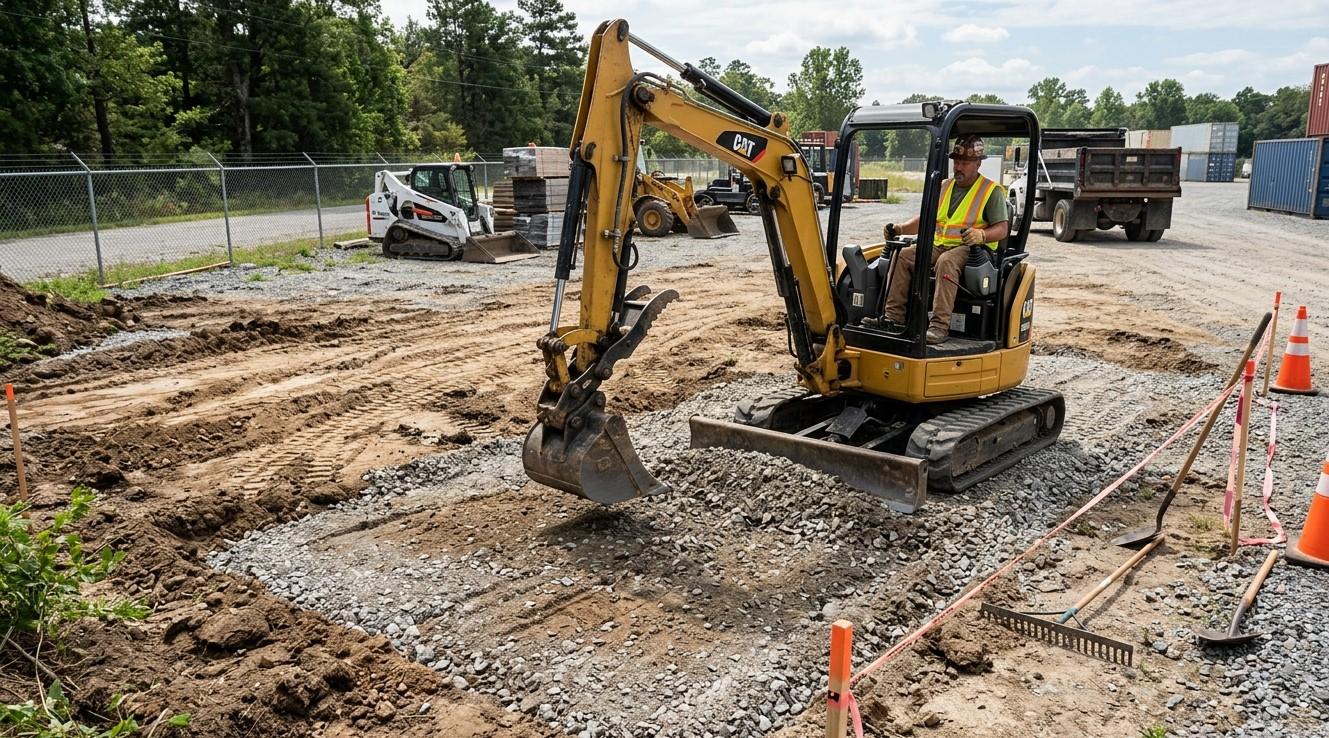
Ordering a shipping container is only part of the process. Before the container arrives, you need to make sure the site is ready for safe and efficient delivery. Proper preparation can help prevent delays, access problems, uneven placement, and unnecessary complications.
Whether you are comparing shipping containers for sale, searching for a shipping container for sale near me, or looking at storage containers for sale, site preparation should be part of your planning from the beginning. Conex Hub provides shipping containers and delivery services, making it important to understand the basic requirements before scheduling your delivery.
Table of Contents
- Why Is Site Preparation Important?
- Choose the Right Location
- Prepare Firm and Level Ground
- Check the Delivery Access
- Measure Clearance Requirements
- Remove Obstacles
- Consider Overhead Clearance
- Plan for Weather Conditions
- Check Permits and Local Requirements
- Prepare for Container Placement
- Inspect the Site Before Delivery
- Common Site Preparation Mistakes
- FAQs
- Final Thoughts
- Get Started With Conex Hub
Why Is Site Preparation Important?
Shipping containers are large, heavy structures that require appropriate access and a suitable surface for placement. Preparing the site in advance helps the delivery driver position the container safely and accurately.
Conex Hub recommends firm, dry, level ground for container placement. Pavement, gravel, and hard-packed dirt can provide suitable surfaces, while soft soil, mud, or sand may create problems with settling and delivery access.
Good site preparation can help:
- Reduce delivery complications
- Protect the container from uneven settling
- Make placement more predictable
- Provide easier access to the container
- Reduce the risk of property damage
- Make future container use more convenient
Choose the Right Location
Start by deciding exactly where you want the container to sit.
Consider how the location will work both during delivery and after placement. You should have enough room to access the container doors and use the space around it.
Think about:
- How the container will be accessed
- Where the doors will open
- Vehicle access
- Drainage
- Ground stability
- Nearby buildings
- Fences and gates
- Trees and landscaping
- Utility lines
Avoid choosing a location simply because it has enough space for the container itself. The delivery truck also needs sufficient access to reach and position the unit.
Prepare Firm and Level Ground
A stable foundation is one of the most important parts of site preparation.
The ground should be firm, dry, and reasonably level. Uneven or unstable ground can make placement more difficult and may cause the container to settle unevenly over time.
Potential site surfaces include:
Gravel
A properly prepared gravel base can provide a stable surface while helping with drainage.
Hard-Packed Dirt
Firm, compacted soil may work for some applications if the site conditions are appropriate.
Pavement
Concrete or asphalt can provide a firm surface, but the site should still be evaluated for levelness, drainage, and load requirements.
For longer-term installations, you may want to discuss the appropriate foundation or support method with a qualified professional.
Check the Delivery Access
One of the biggest mistakes people make is preparing the container location but forgetting about the route the delivery truck must take.
Before delivery, inspect the entire path from the road to the placement area.
Check for:
- Narrow roads
- Tight turns
- Gates
- Fences
- Low branches
- Utility wires
- Buildings
- Slopes
- Other vehicles or equipment
Conex Hub uses different delivery methods depending on site conditions. Its delivery guidance notes that a tilt-bed truck may require straight-line clearance equal to the container length plus the truck.
Measure Clearance Requirements
Clearance requirements depend on the container size and delivery method.
For example, Conex Hub states that a 20-foot container delivered by tilt-bed truck requires approximately 60 feet of straight-line clearance. For 40-foot containers, its guidance recommends at least 100 feet of straight-line clearance unless another delivery method, such as a crane truck or lift, is available.
Before delivery, measure the access route rather than estimating it.
This is particularly important if the property is:
- In a residential neighborhood
- Behind a narrow gate
- On a steep road
- Surrounded by trees
- Near overhead utility lines
- Located in a crowded commercial area
If you are unsure whether your property can accommodate delivery equipment, contact the container provider before scheduling delivery.
Remove Obstacles
Clear the delivery route and placement area before the truck arrives.
Remove or relocate:
- Parked vehicles
- Construction materials
- Garden equipment
- Temporary structures
- Debris
- Low-hanging branches
- Portable fencing
- Other objects that could interfere with delivery
Do not wait until the truck arrives to discover that a gate cannot open or a vehicle is blocking the access path.
Consider Overhead Clearance
Overhead obstacles can create significant delivery problems.
Look for:
- Electrical wires
- Telephone cables
- Tree branches
- Building overhangs
- Signs
- Lighting fixtures
- Other structures
The delivery vehicle and container need adequate clearance throughout the delivery process.
If you are uncertain about overhead clearance, ask the delivery provider to evaluate the route before the scheduled delivery date.
Plan for Weather Conditions
Weather can affect site conditions and delivery.
Rain can turn soil into mud, while snow or other severe weather can make roads and placement areas difficult to access.
Conex Hub notes that rain, snow, and muddy conditions can affect delivery and may require rescheduling to protect the property and support safe placement.
If bad weather is expected, check the ground conditions before delivery day and communicate with the provider if conditions have changed significantly.
Check Permits and Local Requirements
Depending on your location and how you plan to use the container, local requirements may apply.
Before delivery, check whether you need:
- A building permit
- Zoning approval
- Property-owner approval
- HOA approval
- Placement restrictions
- Special permits for long-term installations
Conex Hub recommends checking with the local building department or HOA before delivery because requirements can vary by location.
This step is particularly important if the container will remain on the property for an extended period or be modified into an office, workshop, classroom, or other occupied space.
Prepare for Container Placement
Before the truck arrives, mark the intended placement area clearly.
Make sure there is enough room for the container to be positioned without hitting nearby structures.
Think about:
- Door clearance
- Side access
- Drainage
- Future maintenance
- Vehicle access
- Security
- Lighting
- Loading and unloading
If the container has doors on one end, make sure that end faces an area where you can comfortably open and use them.
For specialized containers with side-opening doors or other modifications, account for the additional access space they require.
Inspect the Site Before Delivery
A final site inspection can help catch problems before delivery day.
Walk the entire route and ask yourself:
- Is the ground firm and level?
- Is the access road wide enough?
- Are there tight turns?
- Are overhead wires or branches present?
- Is the placement area clear?
- Can the delivery truck safely reach the location?
- Are the container doors accessible?
- Have required permits or approvals been checked?
- Could rain or other weather affect the ground?
- Is there enough room for future use?
If the answer to any of these questions is uncertain, contact your container provider before delivery.
Common Site Preparation Mistakes
Choosing Soft Ground
Placing a heavy container on unstable or muddy ground can create problems. Prepare a firm base before delivery.
Measuring Only the Container
The container may fit in your yard, but the delivery truck also needs adequate room to approach and position it.
Ignoring Overhead Obstacles
Trees, wires, and other overhead objects can interfere with delivery.
Forgetting Door Clearance
Leave enough space for the container doors to open fully and for people or equipment to access the interior.
Waiting Until Delivery Day
Last-minute preparation can cause delays. Complete your site inspection well before the scheduled delivery.
Ignoring Local Rules
Some areas have specific requirements for container placement. Check local regulations before ordering.
FAQs
What type of ground is best for a shipping container?
Firm, dry, level ground is generally preferred. Gravel, pavement, and hard-packed dirt may be suitable depending on the site and application.
How much clearance does a shipping container delivery need?
It depends on the container size and delivery method. Conex Hub's guidance indicates approximately 60 feet of straight-line clearance for a 20-foot unit delivered by tilt-bed truck and at least 100 feet for a 40-foot container in the specified delivery setup.
Can a shipping container be placed on grass?
It may be possible in some situations, but soft or wet ground can create settling and delivery problems. A firm, level base is generally preferable.
Do I need a permit for a shipping container?
Permit and zoning requirements vary by location and intended use. Check with your local building department and, where applicable, your HOA before delivery.
How do I prepare for a container delivery?
Choose a suitable location, prepare firm and level ground, clear the access route, check overhead clearance, remove obstacles, confirm local requirements, and make sure there is enough room for the delivery equipment.
Can I prepare the site myself?
Basic tasks such as clearing vegetation and removing obstacles may be possible yourself. More substantial grading, foundation, electrical, or structural work may require qualified professionals.
Final Thoughts
Preparing your site properly is an essential part of buying or renting a shipping container. A good location needs more than enough room for the container itself. You also need to consider the delivery truck, ground conditions, overhead clearance, access routes, door clearance, weather, and local requirements.
If you are comparing shipping containers for sale, consider delivery requirements before choosing a particular size. When searching for a shipping container for sale near me, ask the provider about delivery access and site preparation. If you are comparing storage containers for sale, make sure the intended placement area is suitable for both delivery and long-term use.
Taking time to prepare the site before delivery can make the process smoother and help ensure your container is positioned where you need it.
Get Started With Conex Hub
Ready to prepare for your container delivery? Conex Hub provides shipping containers for storage, business, construction, office, and other applications, with delivery options designed around different site conditions.
Review your property, measure the delivery route, prepare the ground, and confirm any local requirements before scheduling delivery. Contact Conex Hub to discuss your site and container requirements and request a quote.

 English
 Arabic
 Spanish
 Portuguese
 Deutsch
 Turkish
 Dutch
Dutch
 Italiano
 Russian
 Romaian
 Portuguese (Brazil)
 Greek
Greek