


Helmet Use and Hair Fall: Understanding the Real Connection and Protecting Your Scalp
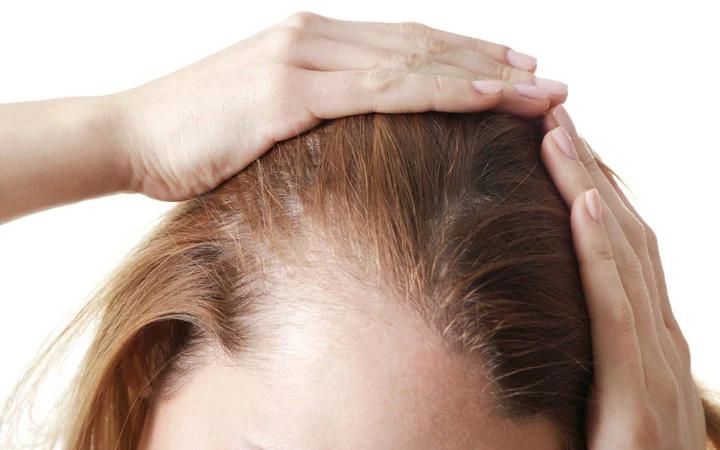
For millions of people, wearing a helmet is an everyday necessity. Whether you ride a motorcycle to work, commute through busy city streets, or enjoy long weekend rides, a helmet provides essential protection against serious head injuries. Yet, one concern often comes up among regular riders: can wearing a helmet affect hair health?
Searches such as “does helmet cause hair fall” have become increasingly common, especially among people who notice more hair on their comb, pillow, or bathroom floor after spending long hours on the road. The good news is that simply wearing a properly fitted helmet does not usually cause permanent hair loss. However, the environment created underneath a helmet can sometimes contribute to scalp discomfort, breakage, or conditions that make existing hair concerns more noticeable.
Understanding what really happens to your scalp and hair under a helmet can help you separate myths from facts and develop simple habits that support both road safety and hair care.
Regular helmet maintenance is also easy to overlook. Riders may wash their hair frequently but forget that the helmet repeatedly touches the same area of the scalp. Following the manufacturer’s cleaning instructions and allowing the liner to dry completely can support better hygiene. Finally, avoid judging hair health from one day of shedding. Looking at changes over several weeks is more meaningful than counting individual strands after every ride. It is also worth noticing how the scalp feels after a ride. Persistent redness, tenderness, burning, or intense itching may suggest that the fit, hygiene routine, hair products, or another scalp issue needs attention. These signs should not automatically be blamed on the helmet itself. Keeping the helmet clean, avoiding unnecessary friction, and observing changes over time can help identify what is actually affecting your hair and scalp rather than relying on assumptions about helmets.
Why Do People Think Helmets Cause Hair Fall?
A helmet covers the scalp for extended periods, reducing ventilation and trapping heat and sweat. During hot weather, especially in humid conditions, the scalp may become damp and oily. If this happens regularly and the scalp is not cleaned properly, irritation, itching, unpleasant odor, and buildup may develop.
This can make people wonder, does helmet cause hair fall? The helmet itself is generally not the direct cause. Instead, factors associated with prolonged helmet use may affect the scalp environment or increase hair breakage.
Another reason for the misconception is timing. Someone may start noticing increased shedding after beginning a daily commute by motorcycle. It is easy to assume that the helmet is responsible, even though hair shedding can have many causes, including stress, nutritional deficiencies, hormonal changes, illness, genetics, poor sleep, or changes in hair-care routines.
The Difference Between Hair Fall and Hair Breakage
One of the most important distinctions is between shedding from the root and breakage along the hair shaft. Normal hair naturally moves through growth and resting phases, and losing some strands each day is expected.
A helmet can contribute to friction when hair repeatedly rubs against the inner lining. Tight straps, rough fabric, or putting on a helmet while the hair is wet may increase friction. This can weaken already fragile strands and cause breakage, particularly around the hairline or areas exposed to repeated rubbing.
Breakage may look like hair fall, but it is not the same as follicle-related hair loss. If you see shorter pieces of hair rather than full-length strands, mechanical damage may be involved.
How Sweat and Humidity Affect the Scalp
Sweating is a normal response to heat and physical activity. Under a helmet, however, sweat can remain close to the scalp for longer. In humid weather, the scalp may also take more time to dry.
Sweat itself does not automatically damage hair follicles. The concern is what happens when sweat combines with oil, styling products, and an unclean helmet lining. This combination can make the scalp feel greasy or itchy and may encourage irritation.
This is why people sometimes conclude that helmet causes hair fall when the actual issue may be poor scalp hygiene, excessive friction, or an underlying scalp condition. Keeping both the scalp and helmet clean can reduce these avoidable problems.
Can a Tight Helmet Increase Hair Problems?
Fit matters. A helmet should be secure enough to stay in place during a ride, but it should not create excessive pressure or discomfort. If you regularly experience pain, pressure marks, headaches, or significant irritation while wearing your helmet, the fit should be reassessed.
Constant friction and pressure can make the scalp uncomfortable and may contribute to hair breakage in susceptible areas. However, it is important not to confuse ordinary pressure from a properly fitted helmet with permanent damage to the hair follicles.
Never choose a loose helmet simply to make your hair feel more comfortable. A helmet that does not fit correctly may fail to provide the protection it is designed to offer. Road safety should always come first.
Simple Ways to Protect Your Hair While Wearing a Helmet
Good helmet habits can make a significant difference. Start by keeping your scalp clean according to your hair type and activity level. If you sweat heavily during your commute, regular washing can help remove accumulated sweat, oil, and dirt.
Allow your hair to dry before wearing a helmet whenever possible. Wet hair is more vulnerable to stretching and breakage, and keeping a damp scalp covered for a long period may feel uncomfortable.
Clean the helmet’s removable padding or liner according to the manufacturer’s instructions. If the lining cannot be cleaned effectively or has developed a persistent odor and buildup, consider replacing it when appropriate.
Avoid wearing very tight hairstyles underneath the helmet. Tight ponytails, buns, or braids can put additional tension on the hair, particularly when combined with helmet pressure. A relaxed hairstyle can reduce unnecessary pulling.
If you use hair products, avoid excessive amounts before riding. Heavy oils, gels, waxes, or styling products can mix with sweat and dust, leaving the scalp feeling congested or greasy.
Choose a Helmet That Fits Correctly
Helmet selection matters for both safety and comfort. A good helmet should sit securely on the head without creating painful pressure points. It should not move excessively from side to side, and the chin strap should be adjusted correctly.
Do not select a helmet solely because it leaves more room for your hairstyle. A proper fit is more important than maintaining a particular hairstyle during a ride.
If your helmet repeatedly rubs against one area of the scalp, inspect the interior. Damaged, rough, or worn padding can increase friction. Replacing worn components, where the manufacturer permits it, may improve comfort without compromising safety.
Should You Wear a Cap or Scarf Under a Helmet?
Some riders use a thin, breathable head covering underneath a helmet to manage sweat and reduce direct contact between hair and the helmet lining. This can be useful if the material is clean, lightweight, and does not make the helmet too tight.
However, adding a thick cap, folded scarf, or bulky fabric can change the fit of the helmet. If the additional layer makes the helmet uncomfortable or prevents it from sitting securely, it should not be used.
The goal is not to create a barrier at any cost. The goal is to maintain hygiene and comfort without interfering with helmet safety.
What If Hair Fall Continues Despite Good Helmet Habits?
If you improve scalp hygiene, reduce friction, maintain a suitable helmet fit, and still experience persistent or increasing hair shedding, the helmet may not be the main issue.
Hair loss can be influenced by genetics, age, hormonal changes, nutritional status, stress, certain illnesses, medications, and scalp disorders. Sudden or significant shedding deserves attention, particularly when it is accompanied by bald patches, scalp inflammation, severe itching, scaling, or other unusual symptoms.
Instead of blaming the helmet immediately, consider the bigger picture. Has your diet changed? Have you experienced significant stress or illness? Are you sleeping poorly? Have you recently changed medications or hair treatments? These factors may provide more useful clues.
When Should You Consult a Professional?
Occasional shedding is normal, but persistent hair loss should not be ignored. If you notice a widening part, receding hairline, visible thinning, repeated bald patches, or a sudden increase in shedding, consider speaking with a dermatologist or qualified healthcare professional.
A professional can examine the scalp, assess the pattern of hair loss, and determine whether an underlying condition may be involved. Early evaluation can be particularly helpful when hair loss is progressing.
The Bottom Line
So, does helmet cause hair fall? For most people, wearing a helmet correctly does not directly cause permanent hair loss. The more realistic concerns are sweat, friction, poor hygiene, an uncomfortable fit, and hair practices that may contribute to breakage or scalp irritation.
The idea that helmet causes hair fall often comes from observing hair shedding around the same time as regular helmet use. But correlation does not necessarily mean that the helmet is the root cause. Hair health depends on multiple factors, and the scalp deserves attention beyond the hours spent riding.
A clean scalp, dry hair, a well-fitted helmet, clean padding, and gentle hairstyles can help reduce unnecessary stress on the hair while allowing you to continue wearing essential protective equipment. Never compromise helmet safety to protect your hairstyle.
Ultimately, the smartest approach is balance. Protect your head on the road, care for your scalp off the road, and investigate persistent hair loss rather than assuming the helmet is responsible. With the right habits, riders can prioritize both safety and healthy-looking hair without choosing one over the other.

 English
 Arabic
 French
 Spanish
 Portuguese
 Deutsch
 Turkish
 Dutch
Dutch
 Italiano
 Russian
 Romaian
 Greek
Greek