


Why Do Teeth Become Yellow? Common Causes and Prevention Tips
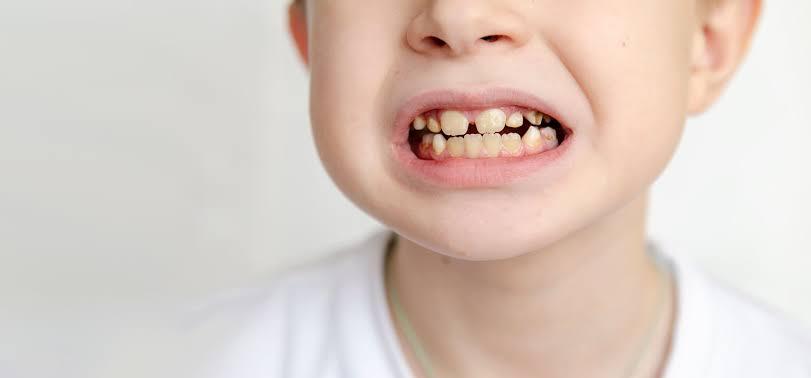
Many people look in the mirror and wonder, why are my teeth yellow even when they brush regularly. Tooth discolouration is a common concern and can happen due to several reasons, including food and drink habits, ageing, plaque buildup, lifestyle choices, and natural changes inside the tooth. Yellow teeth do not always mean unhealthy teeth, but changes in colour can affect confidence and the appearance of your smile. Understanding the causes of yellow teeth can help you choose the right prevention methods and treatment options to maintain a brighter, healthier smile.
A naturally healthy smile does not have to be perfectly white. Teeth naturally contain dentin, a yellowish layer beneath the enamel, and changes in enamel thickness over time can make this colour more visible. However, surface stains and lifestyle factors can also make teeth appear darker or more yellow.
Why Do Teeth Become Yellow?
The colour of your teeth can change for many reasons. Some causes are related to daily habits, while others are connected to natural ageing or internal tooth changes.
The most common causes include:
-
Staining foods and drinks
-
Poor oral hygiene
-
Smoking or tobacco use
-
Age-related enamel changes
-
Certain medications
-
Genetics
-
Dental trauma
-
Plaque and tartar buildup
Understanding what is causing the discoloration is the first step toward improving your smile.
1. Food and Drinks That Cause Stains
One of the most common reasons teeth become yellow is regular exposure to staining foods and drinks. Certain foods contain strong pigments that can attach to the enamel surface over time.
Common staining items include:
-
Coffee
-
Tea
-
Red wine
-
Soft drinks
-
Dark sauces
-
Certain spices
-
Coloured foods
Drinking these regularly does not mean you must completely avoid them, but frequent exposure can gradually affect tooth colour. Rinsing your mouth with water after consuming staining foods and maintaining good oral hygiene can help reduce the impact.
2. Poor Oral Hygiene and Plaque Build-Up
A major reason people ask why are my teeth yellow is plaque accumulation. Plaque is a sticky layer of bacteria that naturally forms on teeth. When it is not removed properly through brushing and cleaning between teeth, it can collect stains from food and drinks.
Over time, plaque can harden into tartar, which cannot be removed with regular brushing at home. Tartar buildup can make teeth appear yellow and may also contribute to gum problems.
Brushing twice daily, flossing regularly, and attending professional dental cleans can help maintain cleaner-looking teeth.
3. Smoking and Tobacco Use
Smoking and tobacco products are significant contributors to tooth discolouration. Nicotine and other substances can create yellow or brown stains that become more difficult to remove over time.
Apart from affecting tooth colour, tobacco use can also increase the risk of gum problems, bad breath, and other oral health concerns.
Reducing or stopping tobacco use can improve both your oral health and the appearance of your smile.
4. Natural Ageing and Enamel Changes
As people get older, teeth can naturally appear more yellow. This happens because the outer enamel layer gradually becomes thinner over time, allowing more of the naturally yellow dentin underneath to show through.
This type of colour change is a normal part of ageing and does not necessarily mean your teeth are unhealthy.
Maintaining good oral hygiene and regular dental visits can help protect enamel and support a healthier smile as you age.
5. Genetics and Natural Tooth Colour
Not everyone naturally has bright white teeth. Tooth colour varies between individuals due to genetics, enamel thickness, and dentin colour.
Some people naturally have teeth that appear slightly more yellow compared with others. In these cases, whitening treatments may improve brightness but may not completely change the natural base colour of the teeth.
A dental consultation can help you understand what results may be realistic for your smile.
6. Dental Trauma and Internal Discolouration
Sometimes a tooth may become darker because of damage inside the tooth. Injuries, accidents, or damage to the tooth nerve can affect tooth colour.
Internal discolouration is different from surface staining because it occurs within the tooth structure. In these situations, regular brushing or surface whitening products may not provide the desired improvement.
A dentist can assess the cause of the colour change and recommend suitable treatment options.
7. Certain Medications and Health Factors
Some medications or medical conditions can affect tooth colour, particularly when teeth are developing. In some cases, changes may occur within the tooth structure rather than only on the surface.
If you notice unusual tooth discolouration and are unsure about the cause, discuss it with your dentist. Understanding the reason behind the colour change helps determine the most appropriate solution.
Prevention Tips to Avoid Yellow Teeth
While some causes of yellow teeth cannot be completely prevented, good habits can help maintain a cleaner and brighter smile.
Brush and Floss Regularly
Good oral hygiene is the foundation of preventing stains. Brush twice daily using fluoride toothpaste and clean between your teeth regularly.
Proper cleaning helps remove plaque before it hardens and contributes to yellow appearance.
Drink More Water
Water helps wash away food particles and supports saliva production. Drinking water after meals and staining drinks can help reduce residue left on teeth.
Replacing sugary or coloured drinks with water can also support better oral health.
Limit Staining Foods and Drinks
You do not need to completely remove coffee, tea, or other staining foods from your lifestyle. However, reducing frequency and maintaining good cleaning habits can help protect your smile.
Using a straw for certain drinks may also reduce direct contact with front teeth.
Visit Your Dentist Regularly
Regular dental check-ups allow early detection of problems such as plaque buildup, gum issues, cavities, and enamel changes.
Professional cleaning can remove tartar and surface stains that cannot be removed through normal brushing.
Professional Options for Yellow Teeth
If your teeth have become yellow despite good oral care, professional dental treatments may help improve their appearance.
Depending on the cause of discolouration, options may include:
-
Professional cleaning
-
Teeth whitening
-
Restorative treatments
-
Cosmetic dental procedures
Before choosing whitening, it is important to have your teeth and gums assessed. Whitening may not be suitable if you have untreated decay, gum problems, or certain dental restorations.
Teeth Whitening in Corio
Many people consider Teeth Whitening in Corio when they want to improve the brightness of their smile. Professional whitening treatments are designed to reduce certain types of stains and improve tooth colour under dental guidance.
The results of whitening depend on factors such as:
-
The original shade of your teeth
-
Type of staining
-
Lifestyle habits
-
Tooth condition
-
Maintenance after treatment
A dental consultation can help determine whether whitening is suitable and what type of results you may expect.
Is Teeth Whitening Suitable for Everyone?
Teeth whitening is not recommended for everyone without an assessment. People with cavities, gum disease, severe sensitivity, damaged enamel, or some dental restorations may need other care first.
A professional evaluation helps ensure the treatment is appropriate and reduces the risk of discomfort.
If your concern is yellow teeth, discussing your goals with a dentist can help you choose the safest and most effective option.
How to Maintain a Brighter Smile After Whitening
After professional whitening, maintaining good habits can help preserve results.
Helpful tips include:
-
Brush and floss daily
-
Attend regular dental check-ups
-
Drink water regularly
-
Limit frequent staining foods and drinks
-
Avoid tobacco products
A consistent oral care routine plays an important role in keeping your smile healthy and bright.
Final Thoughts
If you are asking why are my teeth yellow, the answer may be related to many factors, including diet, oral hygiene, ageing, genetics, lifestyle habits, or internal tooth changes. Identifying the cause is important because different types of discolouration require different approaches.
Simple habits such as regular brushing, flossing, drinking water, and professional dental visits can help prevent further staining. For people looking to improve tooth brightness, Teeth Whitening in Corio may be an option after a proper dental assessment.
A healthy smile is not only about colour. It is about strong teeth, healthy gums, confidence, and long-term oral care.
FAQs
1. Why are my teeth yellow even though I brush every day?
Teeth can appear yellow despite regular brushing due to factors such as natural dentin colour, ageing, staining foods and drinks, enamel changes, or tartar buildup. Brushing alone may not remove hardened tartar or deeper stains.
2. Can yellow teeth become white again?
In many cases, surface stains can be improved through professional cleaning and whitening treatments. However, results depend on the cause of discolouration and the natural colour of your teeth.
3. Is professional teeth whitening safe?
Professional teeth whitening is generally safe when suitable for the patient and performed with proper guidance. A dental assessment is recommended before treatment.
4. How can I prevent my teeth from becoming yellow?
Maintain good oral hygiene, limit frequent staining foods and drinks, drink water regularly, avoid tobacco, and attend routine dental check-ups to help maintain a brighter smile.

 English
 Arabic
 French
 Spanish
 Portuguese
 Deutsch
 Turkish
 Dutch
Dutch
 Italiano
 Romaian
 Portuguese (Brazil)
 Greek
Greek