


How to Choose the Right Interior Designer in Lahore for Your Space
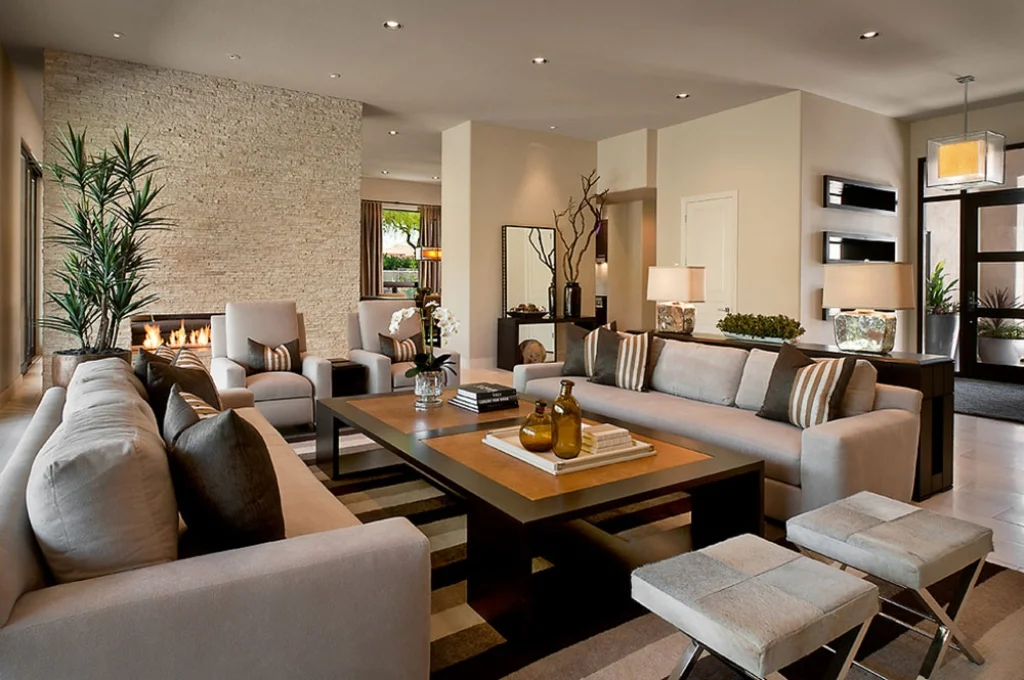
Designing a home or commercial space is more than choosing attractive furniture and wall colors. A well-designed interior should be comfortable, practical, visually appealing, and suitable for the way the space is used. Whether you are renovating an existing property or starting from scratch, professional guidance can help you make better decisions about layout, materials, lighting, furniture, and overall design.
For property owners in Lahore, choosing the right professional is especially important because every project can have different requirements, budgets, architectural styles, and functional needs. Working with an experienced interior designer in Lahore can help turn your ideas into a well-planned and organized interior.
Understand Your Interior Design Requirements
Before contacting an interior designer, determine what you want to achieve with your project. Think about the rooms or areas that need design work, your preferred style, the required functionality, and your approximate budget.
For example, a homeowner may want a modern living room with better storage and lighting, while a business owner may need a professional office environment that makes efficient use of available space.
Creating a basic list of your requirements can make communication easier. You can also collect examples of interiors you like to give the designer a better understanding of your preferences.
Consider the Designer's Experience
Experience is an important factor when selecting an interior design professional. Look for someone who has worked on projects similar to yours and understands the practical requirements involved.
Ask about previous residential, commercial, office, retail, or hospitality projects. A portfolio can help you understand the designer's approach, attention to detail, material choices, and ability to work with different design styles.
An experienced designer should also understand how to balance aesthetics with practical considerations such as space planning, lighting, storage, furniture placement, and material selection.
Review Their Portfolio
A portfolio provides useful insight into a designer's capabilities. Instead of focusing only on whether a project looks attractive, examine how different spaces have been planned and finished.
Look for:
-
Effective use of available space
-
Consistent design concepts
-
Practical furniture arrangements
-
Appropriate lighting
-
Functional storage solutions
-
Quality material selection
-
Attention to architectural details
-
Different design styles and project types
If the designer has completed projects similar to yours, it can give you greater confidence that they understand your requirements.
Discuss Your Budget Clearly
Budget is one of the most important parts of an interior design project. Discuss your expected spending range before the project begins so the designer can recommend suitable materials, furniture, finishes, and design solutions.
A clear budget can also help prevent unnecessary changes later. Ask what is included in the design fee and whether additional costs may apply for services such as site visits, project management, custom furniture, or revisions.
A professional approach to budgeting allows both the client and designer to establish realistic expectations from the beginning.
Evaluate Communication
Good communication can make the entire design process easier. Your designer should be able to understand your ideas and explain design decisions in a clear manner.
During your initial discussions, consider whether the designer listens carefully to your requirements and responds to your questions. You should also understand how project updates will be communicated and how often you can expect progress information.
Interior design involves many decisions, so maintaining clear communication throughout the project can help reduce confusion and delays.
Check Their Understanding of Your Space
Every property has different dimensions, architectural features, natural lighting, access points, and functional requirements. A good designer should study the space before recommending major design changes.
For example, a smaller apartment may require smart storage and space-saving furniture, while a large house may need careful zoning to ensure that each area has a clear purpose.
The designer should consider the existing structure and develop solutions that work with the property rather than simply applying a standard design concept.
Look at Material and Finish Selection
Materials and finishes have a major effect on the appearance, durability, and maintenance requirements of an interior.
Depending on the project, you may need to select flooring, wall finishes, countertops, cabinetry, fabrics, lighting fixtures, hardware, and other elements.
A knowledgeable designer can help you understand the differences between available options and select materials according to your budget, lifestyle, and expected level of use.
For high traffic commercial spaces, durability may be particularly important. In a home, the priorities may include comfort, easy maintenance, and personal style.
Consider Functionality Alongside Appearance
A beautiful interior is not necessarily a successful interior if it is difficult to use. Good design should combine aesthetics with functionality.
Furniture should allow comfortable movement, storage should be accessible, lighting should support different activities, and the overall layout should make sense for the people using the space.
For example, a family home may require practical storage and durable finishes, while an office may need workstations, meeting areas, circulation space, and appropriate lighting.
This balance between appearance and usability is one of the main reasons property owners choose professional interior design services.
Ask About the Design Process
Before hiring a designer, ask how the project will be handled from beginning to completion. While processes can vary, an interior design project may include consultation, site assessment, concept development, space planning, material selection, design revisions, and implementation support.
Understanding the process can help you know what to expect at each stage. It can also make it easier to identify who will be responsible for purchasing materials, coordinating contractors, supervising work, and handling changes.
Compare Services Before Making a Decision
It can be useful to speak with more than one designer before making your final decision. Compare their experience, portfolio, communication, services, project approach and pricing structure.
However, price should not be the only consideration. A lower initial fee may not provide the same level of service, planning or project support.
Instead, consider the overall value of the service and whether the designer's approach matches your project requirements.
Why Local Knowledge Can Matter in Lahore
Hiring a local professional can provide practical advantages. An interior designer in Lahore may have familiarity with local suppliers, materials, contractors, architectural styles, and common property layouts.
Local knowledge can also make site visits and project coordination more convenient. For larger projects, regular communication between the designer, client, suppliers, and contractors can be an important part of keeping the work organized.
Final Thoughts
Choosing the right interior designer requires more than looking at attractive project photos. You should consider experience, portfolio quality, communication, budget, material knowledge, functionality, and the designer's overall approach to your project.
Take time to explain your requirements and ask relevant questions before starting. With proper planning and professional guidance, you can create an interior that reflects your preferences while remaining practical and comfortable for everyday use.
If you are planning a residential or commercial interior project, researching experienced interior designer in Lahore options can be a useful first step toward developing a space that meets your design and functional goals.
FAQs
1. Why should I hire an interior designer for my project?
An interior designer can help with space planning, design concepts, material selection, lighting, furniture placement, and other aspects of an interior project. Professional planning can also help create a more functional and coordinated space.
2. How do I choose an interior designer in Lahore?
Review their portfolio, experience, services, communication style, pricing, and previous projects. It is also useful to discuss your requirements and budget before making a decision.
3. How much does interior design cost in Lahore?
The cost varies depending on factors such as property size, project scope, design complexity, materials, furniture, finishes, and the services included. It is best to request a detailed quotation based on your specific requirements.
4. Can an interior designer work with a limited budget?
Yes. A designer can help prioritize important areas and suggest materials, furniture, finishes, and design solutions that fit within an established budget.
5. Can an interior designer help with both residential and commercial projects?
Many interior designers work on different types of properties, including homes, apartments, offices, retail spaces, restaurants, and other commercial environments. However, you should check the designer's portfolio and experience with your specific project type.
6. What should I discuss during the first consultation?
You should discuss your design preferences, project requirements, property size, expected timeline, budget, functional needs, and the services you expect from the designer. Sharing reference images can also help communicate your preferred style.
7. How long does an interior design project take?
The timeline depends on the size and complexity of the project. A single-room design may take considerably less time than a complete home or commercial renovation involving custom furniture, construction, and multiple finishes.
8. What makes a good interior design?
Good interior design combines aesthetics, functionality, comfort, efficient space planning, suitable materials, lighting, and the needs of the people using the space. The final result should look cohesive while remaining practical for everyday use.
Explore Our Latest Articles for More Tips and Information.

 English
 French
 Spanish
 Portuguese
 Deutsch
 Turkish
 Dutch
Dutch
 Italiano
 Russian
 Romaian
 Portuguese (Brazil)
 Greek
Greek