


Liposuction Recovery: A Day-by-Day Guide
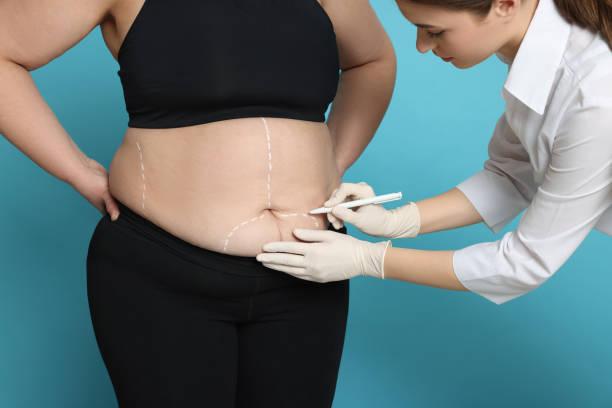
Liposuction recovery is an important part of achieving smooth and natural-looking body-contouring results. Although the procedure removes unwanted fat from selected areas, the body needs time to heal from the treatment. Patients considering Liposuction in Riyadh should understand what recovery may look like, including swelling, bruising, movement restrictions, and gradual changes in body contours. Recovery varies from person to person depending on the treatment area, amount of fat removed, technique used, and individual healing response.
The first few days after liposuction are generally focused on rest, controlling discomfort, protecting the treated areas, and following the surgeon’s instructions. Knowing what to expect can make the recovery process easier to manage and help patients recognize normal healing changes. With appropriate aftercare and realistic expectations, Liposuction in Riyadh can be part of a carefully planned body-contouring journey designed around individual needs.
What Is Liposuction Recovery Like?
Liposuction recovery involves the gradual healing of tissues after fat has been removed through small incisions. Swelling, bruising, tenderness, and temporary changes in sensation are common during the early stages. These effects generally improve progressively rather than disappearing immediately.
Why Does Recovery Take Time?
The body needs time to repair treated tissues and adjust to changes beneath the skin. Even when the incisions appear small, the underlying tissues can experience temporary inflammation and fluid shifts. Following post-procedure instructions carefully can support a smoother healing process.
Day 1: Immediately After Liposuction
During the first day, patients commonly experience swelling, soreness, bruising, and a feeling of tightness around the treated areas. Some drainage from the small incision sites may occur, depending on the technique used. A compression garment may be recommended to support the treated areas and help manage swelling.
What Should You Do on the First Day?
Rest is important, but complete immobility is generally not recommended unless specifically instructed by the surgical team. Gentle movement around the home may help maintain circulation. Patients should take prescribed or recommended medications as directed and avoid strenuous activity.
Days 2–3: Managing Early Swelling
The second and third days can still involve noticeable swelling and bruising. Discomfort may remain present, particularly when changing positions or moving the treated areas. Patients should continue following their surgeon’s instructions regarding compression garments, medication, wound care, bathing, and physical activity.
What Is Normal at This Stage?
Temporary swelling, bruising, tenderness, tightness, and mild changes in skin sensation can occur. The treated areas may not look smoother immediately because swelling can temporarily obscure the developing contours. This is a normal reason why early appearance should not be considered the final result.
Days 4–7: Gradual Improvement
By the end of the first week, some patients begin to notice that soreness is becoming easier to manage. Bruising may start changing color and gradually fading, while swelling can remain noticeable. Depending on the nature of the procedure and the surgeon’s advice, light daily activities may become easier.
Can You Return to Normal Activities?
Some people can gradually resume non-strenuous daily activities during the first week, but the timing varies. Work that involves heavy lifting, prolonged standing, or significant physical exertion may require additional recovery time. Patients should follow individualized clearance from their surgical team rather than relying solely on a general timeline.
Week 2: Continued Healing
During the second week, mobility often improves, but swelling may still be present. The body continues healing beneath the skin, so the treated areas may feel firm, uneven, or sensitive in places. Compression garment use may continue if recommended by the surgeon.
What Happens to Bruising and Discomfort?
Bruising typically continues to fade, while tenderness and sensitivity may gradually decrease. Some areas can remain swollen for longer than others. Patience is important because the body’s healing process does not occur at exactly the same speed in every treatment area.
Weeks 3–4: Early Contour Changes
During weeks three and four, many patients begin noticing more visible changes in their body contours as swelling gradually decreases. However, the final appearance may still be developing. Liposuction in Riyadh should be viewed as a gradual body-contouring process rather than an instant transformation.
Can You Exercise at This Stage?
The return to exercise depends on the extent of treatment and individual healing. Light activity may be introduced progressively when approved by the surgeon, while high-impact exercise and heavy lifting may need to wait longer. Increasing activity too quickly can interfere with comfortable recovery.
One to Three Months After Liposuction
Over the following several weeks, residual swelling generally continues to settle. Skin and underlying tissues gradually adapt to the new contours, and areas that initially felt firm or uneven may become softer. Some patients see substantial improvement during this period, although subtle changes can continue beyond the first few months.
When Do Results Become More Noticeable?
Results become easier to evaluate as swelling decreases and tissues heal. The timeline depends on factors such as the treated area, amount of tissue affected, skin elasticity, and individual healing response. Your surgeon can provide a more personalized expectation during follow-up appointments.
Important Recovery Tips
Following postoperative instructions is one of the most important parts of recovery. Patients should attend recommended follow-up appointments, keep incision areas appropriately cared for, wear compression garments when instructed, maintain suitable hydration and nutrition, and avoid smoking if advised by their healthcare professional.
What Should You Avoid?
Patients should generally avoid strenuous exercise, heavy lifting, pressure on treated areas, and activities that have not yet been approved by their surgeon. Avoiding unnecessary manipulation of healing areas can also help reduce irritation. Medication and supplement use should be discussed with the medical team, particularly during the healing period.
When Should You Contact Your Surgeon?
Some discomfort and swelling are expected, but certain symptoms require prompt medical attention. Increasing or severe pain, significant redness or warmth, fever, unusual drainage, breathing difficulties, chest pain, or sudden swelling should not be ignored. Patients should contact their healthcare provider promptly if they develop concerning symptoms.
Supporting a Smooth Recovery
A successful recovery depends on more than simply waiting for swelling to disappear. Patients can support healing by getting adequate rest, following activity restrictions, maintaining balanced nutrition, and attending follow-up appointments. Every recovery timeline is individual, so comparing your healing process with someone else’s may create unnecessary concern.
Book a Liposuction Consultation at Royal Clinic Saudia
If you are considering liposuction and want to understand the recovery timeline for your specific treatment plan, a professional consultation can help. Royal Clinic Saudia can assess your goals, discuss suitable body-contouring options, and explain what you may expect before, during, and after the procedure.
FAQs
How long does liposuction recovery take?
Initial recovery commonly takes several weeks, while swelling and subtle contour changes may continue improving for several months. The exact timeline depends on the treatment and individual healing.
Is swelling normal after liposuction?
Yes. Swelling is a common part of healing and can remain noticeable for several weeks. It usually decreases gradually as the tissues recover.
When can I return to exercise after liposuction?
The timing varies according to the procedure and your healing progress. Light activity may be introduced gradually after approval, while strenuous exercise may require more time.
When will I see my final liposuction results?
Visible improvements can develop as swelling settles, but final contours may take several months to become fully apparent. Your surgeon can provide guidance based on your individual procedure.

 English
 Arabic
 French
 Spanish
 Portuguese
 Deutsch
 Turkish
 Dutch
Dutch
 Italiano
 Russian
 Romaian
 Greek
Greek