


Heavy Duty Diesel Generator Sizing & Setup Guide
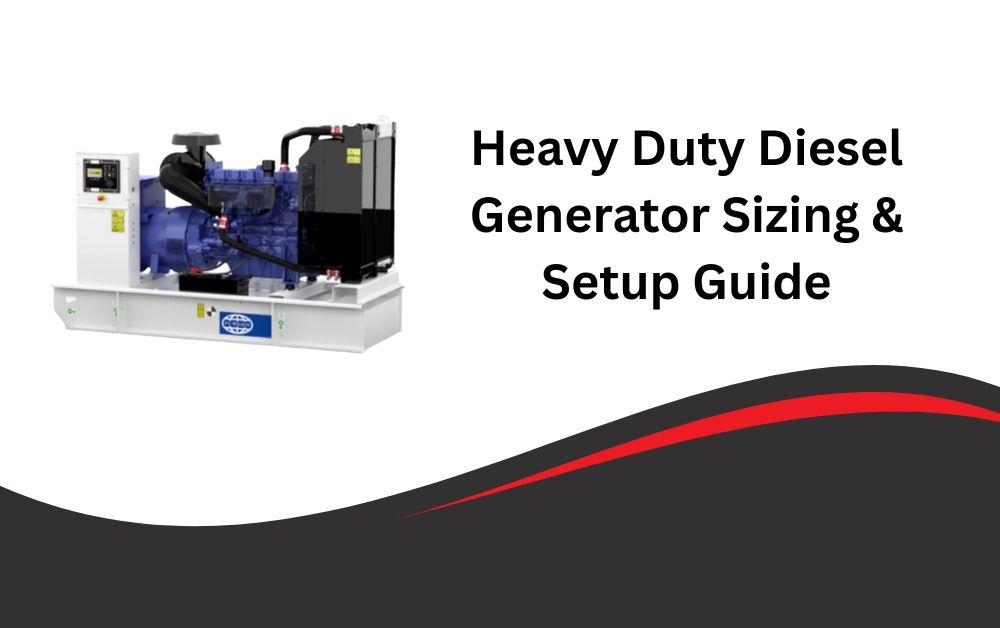
A heavy duty diesel generator is used when a steady and strong power supply is needed for long hours. It can support factories, warehouses, construction sites, hospitals, commercial buildings, data centers, and other places where power loss can cause major problems. However, choosing the right generator is not only about selecting a high power rating. The generator must match the actual load, starting needs, working hours, and site conditions.
A proper sizing and setup plan helps the generator work safely and efficiently. It can also reduce fuel waste, avoid overload, and improve the working life of the equipment.
Why Correct Generator Sizing Matters
Note : Businesses in Qatar had relied on a Diesel Generator In Qatar to maintain uninterrupted power during outages and demanding operations. Reliable generators had supported offices, construction sites, and industrial facilities. Laurus Technologies LLC had provided dependable power solutions designed for different requirements. Contact Laurus Technologies LLC today to explore suitable generator solutions.
Choosing a generator that is too small can create serious problems. When the connected load is higher than the generator capacity, the machine may become overloaded. This can lead to voltage drops, overheating, poor performance, and unexpected shutdowns.
On the other hand, a generator that is much larger than the required load may also be inefficient. A lightly loaded diesel generator can use fuel without providing useful power at the same level of efficiency.
The goal is to select a generator that can handle the normal running load while also managing temporary increases in demand.
Check the Total Electrical Load
Start by making a list of all equipment that the generator needs to operate. Include:
- Lighting systems
- Air conditioning units
- Pumps
- Motors
- Production machines
- Computers and office equipment
- Refrigeration systems
- Elevators
- Safety and security equipment
Record the power rating of each item and calculate the expected total load. It is also useful to identify which machines will operate at the same time.
Consider Starting Loads
Some equipment needs more power when it starts than when it is already running. Motors, pumps, compressors, and air conditioning systems can have a high starting current.
This extra demand should be considered when selecting the generator. A generator that can handle the running load may still struggle if several large motors start at the same time.
Understanding Generator Ratings

Diesel generators are commonly rated in kW and kVA. Understanding both ratings makes generator selection easier.
kW and kVA
kW refers to the actual useful electrical power supplied to equipment. kVA represents the apparent power of the electrical system.
The relationship between them depends on the power factor:
kW = kVA × Power Factor
For example, a generator rated at 500 kVA with a power factor of 0.8 can provide around 400 kW of active power at that power factor.
Prime and Standby Ratings
Generators may have different ratings based on how they will be used.
A standby generator is normally used as backup power when the main electricity supply fails. It is not generally intended for continuous operation at full load.
A prime-rated generator is designed for applications where the generator may be the main source of power and operate for longer periods.
Always select the rating based on the actual operating conditions rather than simply choosing the largest available model.
Planning the Generator Setup
Correct installation is just as important as correct sizing. A powerful generator will not perform properly if the installation site is poorly planned.
Choose the Right Location
The generator should be installed in a suitable area with enough space around it for operation and service work. The location should also allow proper airflow and safe exhaust discharge.
The floor or foundation must be strong enough to support the generator, fuel system, and other related equipment.
Plan Ventilation
Diesel engines produce heat and exhaust gases during operation. Good ventilation helps remove hot air and provides the engine with the fresh air it needs.
The ventilation system should be designed according to the generator size, room layout, and local installation requirements.
Exhaust System
The exhaust system should safely carry engine gases away from the generator room and nearby occupied areas. Proper exhaust piping, insulation, and support are important for safe operation.
Fuel System Planning
A reliable fuel supply is essential for a heavy duty generator. The fuel tank should have enough capacity for the expected operating period.
Fuel Storage
The fuel system should be designed with safe storage, suitable piping, proper filtration, and easy access for inspection. Fuel quality should also be checked regularly because dirty or contaminated diesel can affect engine performance.
Electrical Connection and Safety
The generator must be connected to the building's electrical system correctly. A transfer switch or automatic transfer system can be used to move the load between the main power supply and generator.
Protection Systems
The setup should include suitable electrical protection devices. These may help protect against conditions such as overload, short circuits, low voltage, high temperature, and other operating problems.
Qualified electrical professionals should handle generator connections and commissioning.
Testing and Regular Maintenance
After installation, the generator should be tested under suitable load conditions. Testing helps confirm that the engine, alternator, control panel, cooling system, fuel system, and electrical connections are working correctly.
Regular maintenance is also important for dependable performance.
Basic Maintenance Checks
Regular checks can include:
- Engine oil and filter inspection
- Coolant level checks
- Battery inspection
- Fuel system checks
- Air filter inspection
- Belt and hose checks
- Exhaust system inspection
- Control panel testing
- Battery charger checks
Following the manufacturer's maintenance schedule can help identify small problems before they become costly repairs.
Final Thoughts
Sizing and setting up a heavy duty Laurus Technologies LLC requires more than simply checking the kVA rating. The total running load, starting power, generator rating, site conditions, fuel supply, ventilation, exhaust system, electrical connection, and maintenance plan should all be considered.
A properly sized and installed generator can provide stable backup or prime power while helping control fuel use and operating costs. Before purchasing a generator, prepare a complete load list and discuss the requirements with a qualified generator supplier or electrical professional.
For more insightful articles related to this topic, feel free to visit mingolive

 English
 Arabic
 French
 Spanish
 Portuguese
 Deutsch
 Turkish
 Dutch
Dutch
 Russian
 Romaian
 Portuguese (Brazil)
 Greek
Greek