


Foods to Eat and Avoid After Rhinoplasty
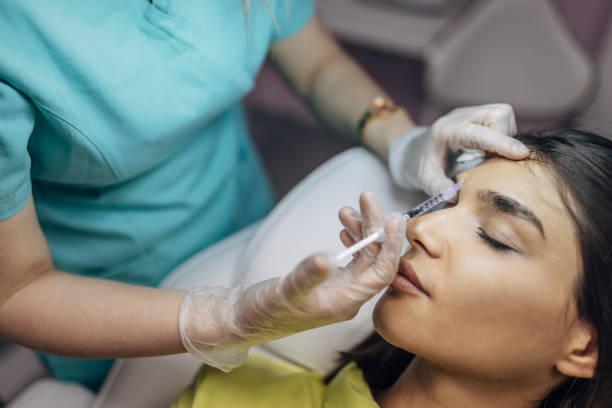
What you eat after nose surgery can play a supportive role in your recovery. Choosing soft, nutritious foods can make eating more comfortable while helping your body meet its nutritional needs during healing. Understanding which foods to eat after rhinoplasty in riyadh can help patients plan meals that are easier to tolerate during the early recovery period.
After Rhinoplasty in Riyadh, the nose and surrounding tissues may be swollen and sensitive, while chewing can sometimes feel uncomfortable. A balanced diet containing adequate protein, vitamins, minerals, fiber, and fluids can support normal healing. Patients should always follow any personalized dietary instructions provided by their surgical team.
Why Is Nutrition Important After Rhinoplasty?
Surgery places temporary demands on the body as tissues repair themselves. Eating a varied, nutrient-rich diet can help provide the protein and other nutrients needed for normal tissue maintenance and recovery.
Staying adequately hydrated is also important. Drinking enough fluids can help prevent dehydration, especially when appetite is reduced during the first few days after surgery.
Best Foods to Eat After Rhinoplasty
Soft and Easy-to-Chew Foods
Soft foods can be easier to eat when the mouth, cheeks, and nose feel tender. Options may include yogurt, oatmeal, scrambled eggs, mashed vegetables, smoothies, soups that are not too hot, and soft cooked grains.
Choosing foods that require minimal chewing can also reduce facial discomfort during the early recovery period.
Protein-Rich Foods
Protein provides amino acids that the body uses for tissue repair and maintenance. Suitable options can include eggs, yogurt, cottage cheese, fish, chicken, beans, lentils, tofu, and other protein-rich foods that are comfortable to eat.
Including a source of protein in regular meals can help patients maintain adequate nutrition while recovering.
Fruits and Vegetables
Fruits and vegetables provide vitamins, minerals, fiber, and other nutrients that contribute to a balanced diet. Soft fruits such as bananas, ripe pears, melon, or cooked fruit can be easier to consume during the early days.
Vegetables can be steamed, roasted, or blended into soups to make them softer and easier to chew.
Whole Grains and Fiber-Rich Foods
Whole grains and other fiber-containing foods can support regular bowel movements, which may be helpful when activity levels are temporarily reduced or certain medications affect digestion.
Options such as oatmeal, soft whole-grain cereals, brown rice, and well-cooked grains can be incorporated according to individual tolerance.
Plenty of Fluids
Water should be a primary choice for maintaining hydration. Other suitable fluids may include unsweetened beverages, broths, and other drinks recommended by your healthcare provider.
Patients should drink regularly throughout the day rather than waiting until they feel very thirsty.
Foods to Avoid After Rhinoplasty
Very Hard or Crunchy Foods
Hard and crunchy foods may require significant chewing and can be uncomfortable when the facial tissues are sensitive. Examples include hard nuts, raw crunchy vegetables, tough meats, and very firm snacks.
Choosing softer alternatives during the early recovery period can make meals more comfortable.
Very Spicy Foods
Spicy foods may irritate the mouth or nasal passages and can sometimes trigger a runny nose or increased nasal secretions. This may be uncomfortable while the nose is healing.
For this reason, some patients prefer to temporarily limit highly spicy foods and gradually reintroduce them when their surgeon considers it appropriate.
Extremely Hot Foods and Drinks
Very hot foods and beverages may be uncomfortable immediately after surgery. Allowing food and drinks to cool to a comfortable temperature can make eating easier.
Patients should also avoid anything that causes irritation or discomfort around the healing area.
Highly Processed Foods
Foods that are heavily processed and high in added salt may contribute to fluid retention in some individuals. Since swelling is common after rhinoplasty, choosing a balanced diet with a variety of minimally processed foods may be preferable during recovery.
This does not mean every processed food must be eliminated. The overall quality and variety of the diet are more important.
Alcohol
Alcohol should generally be avoided during the recovery period unless your healthcare provider specifically says otherwise. It may interact with certain medications and can interfere with safe postoperative recovery.
Patients should ask their surgical team when alcohol can safely be resumed, particularly if they are taking prescription medications.
Can Certain Foods Reduce Swelling?
No food can immediately eliminate postoperative swelling. However, a balanced diet with adequate hydration and a variety of nutrient-rich foods can support the body's normal healing processes.
Patients should be cautious about relying on specific foods, juices, supplements, or herbal products as a substitute for medical aftercare. Some supplements can affect bleeding or interact with medications, so they should only be used after discussing them with a healthcare professional.
What Should You Eat During the First Few Days?
During the first few days, focus on foods that are soft, easy to chew, and comfortable to swallow. Smaller meals may be easier if appetite is temporarily reduced.
As discomfort improves, patients can gradually return to a wider variety of foods. There is usually no need to maintain an extremely restrictive diet unless specific instructions have been provided by the surgical team.
How Can You Make Eating More Comfortable?
Choose Smaller Meals
Eating smaller portions more frequently can be easier than consuming large meals when you feel tired or have a reduced appetite.
Avoid Excessive Chewing
Foods that require prolonged chewing may create facial discomfort. Softer alternatives can make meals easier during the initial healing period.
Keep Water Nearby
Having water readily available can encourage regular hydration throughout the day. Staying hydrated is especially useful when normal eating and drinking patterns are temporarily disrupted.
When Should You Ask Your Doctor About Diet?
Patients with dietary restrictions, allergies, diabetes, digestive conditions, or other nutritional concerns should discuss their diet with their healthcare provider. Your surgeon may also provide specific instructions based on your procedure and medications.
If you experience persistent nausea, vomiting, difficulty swallowing, signs of dehydration, or an inability to eat adequately after surgery, contact your medical team for guidance.
Supporting Recovery With a Balanced Diet
A nutritious diet cannot replace proper surgical aftercare, but it can be an important part of supporting your body's recovery. Soft protein-rich foods, fruits, vegetables, whole grains, and adequate fluids can help you maintain balanced nutrition while the nose heals.
Rather than focusing on one particular "healing food," aim for variety, moderation, and foods that feel comfortable to eat. Most importantly, follow your surgeon's instructions throughout the recovery period.
Book a Rhinoplasty Consultation at Royal Clinic Saudia
If you are considering rhinoplasty and want to understand preparation, postoperative care, nutrition, and recovery expectations, a personalized consultation can provide helpful guidance. Royal Clinic Saudia can discuss your procedure and provide recommendations suited to your individual needs.
FAQs:
What should I eat immediately after rhinoplasty?
Soft, easy-to-chew foods such as yogurt, oatmeal, eggs, soft vegetables, smoothies, and tender protein sources can be comfortable during the early recovery period.
Can I eat spicy food after rhinoplasty?
It may be more comfortable to temporarily limit very spicy foods because they can irritate the nasal passages or trigger nasal secretions. Follow your surgeon's specific recommendations.
Should I avoid salty foods after rhinoplasty?
A balanced diet that does not rely heavily on highly salty processed foods may be preferable while recovering because fluid retention can contribute to discomfort and swelling.
Can I drink alcohol after rhinoplasty?
Alcohol should generally be avoided during the early recovery period, particularly while taking medications. Ask your surgeon when it is appropriate to resume drinking.

 English
 Arabic
 French
 Spanish
 Portuguese
 Deutsch
 Turkish
 Dutch
Dutch
 Italiano
 Russian
 Romaian
 Portuguese (Brazil)