


Busting Common Myths About Early Years Education
Some ideas about early years education simply refuse to disappear, no matter how much research contradicts them. Let's clear up a few, one at a time, with what actually happens in a well-run classroom.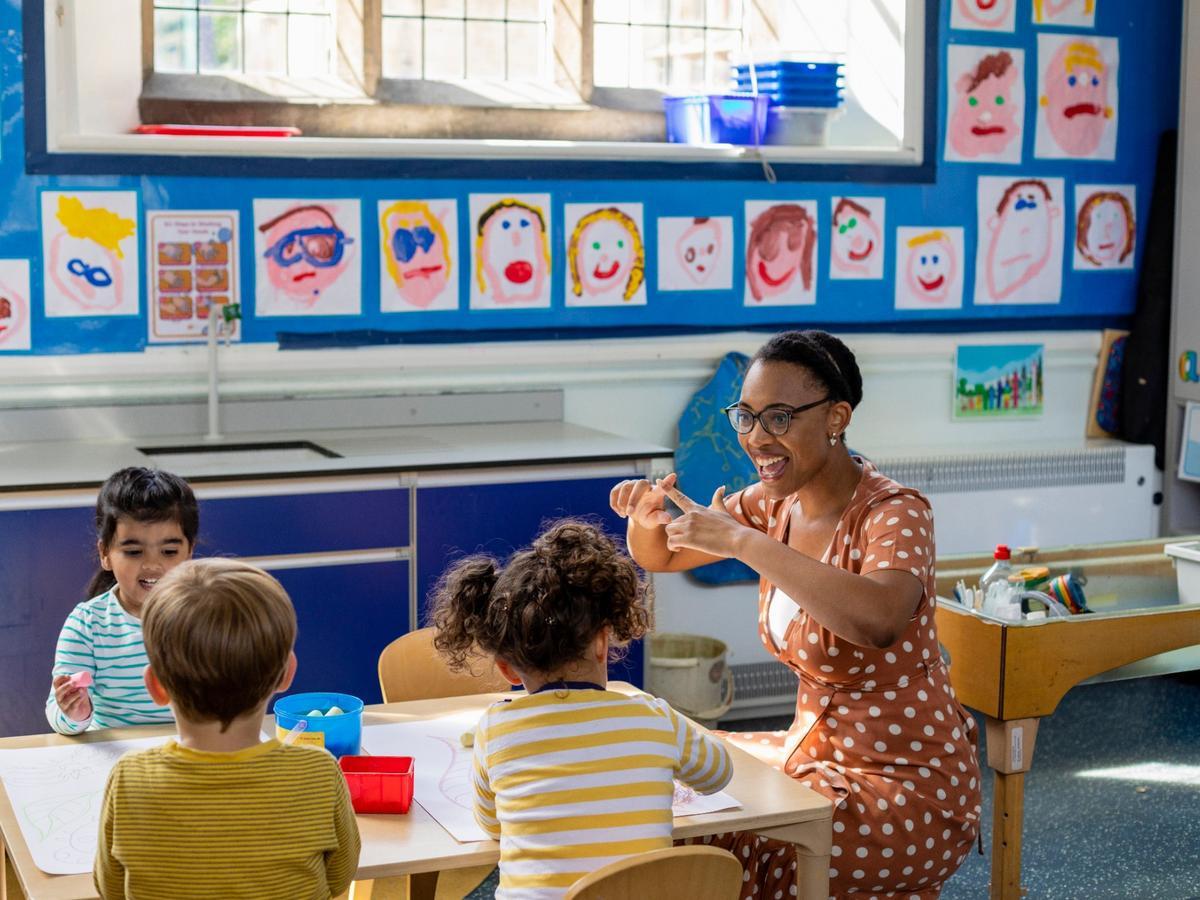
Myth: Early Years Is Just Supervised Play
Fact: Real early years education is carefully planned, not random free time with an adult watching nearby. Every activity at Cornerstone School targets a specific skill, even when it looks like simple play from the outside. A sandbox session, for example, builds fine motor skills, patience, and basic science concepts all at once.
Myth: Starting Formal Reading Early Guarantees Smarter Kids
Fact: Pushing formal reading too early can create pressure instead of genuine progress. Children benefit far more from rich language exposure through conversation, songs, and storytelling first. Reading readiness develops naturally when vocabulary and listening skills are strong, and rushing the process rarely helps in the long run.
Myth: A Bigger Classroom Means A Better Program
Fact: Smaller groups usually allow much closer attention from teachers throughout the day. A packed classroom often means less individual guidance, not more resources or opportunity. Cornerstone School keeps early years groups deliberately small so every child gets noticed, not overlooked.
Myth: Discipline Means Strict Rules And Punishment
Fact: At this age, discipline means gentle guidance and steady consistency, not fear-based control. Cornerstone School focuses on teaching self-control and empathy, rather than simply enforcing silence and obedience. Children learn boundaries far more effectively when they understand the reason behind them.
Myth: Screens Can Replace Hands-On Learning
Fact: Physical activities like building, drawing, and pretend play build skills that screens simply cannot replicate.
works best through touch, movement, and genuine human interaction. Screen time has its place, but it should never become the main source of learning at this age.
Myth: Any Teacher Can Handle An Early Years Classroom
Fact: Working with young children requires specific training, not just general patience or good intentions. Understanding child development, behaviour patterns, and age-appropriate teaching methods takes real study. Cornerstone School only places trained early years specialists in these classrooms, never general staff filling a gap.
Myth: Early Years Programs Are All Basically The Same
Fact: Programs can vary enormously in structure, teacher training, and daily routine, even within the same city. Two schools claiming to offer "early years education" can look completely different once you step inside a classroom. This is exactly why an in-person visit matters more than any brochure ever could.
Why These Myths Persist
Many of these myths persist simply because they sound reasonable on the surface. Parents naturally want to give their children every possible advantage, and outdated advice often gets passed along with good intentions. Believing these myths can lead families to overlook what genuinely matters during this critical stage.
Cornerstone School would rather show real results than repeat common assumptions about early learning. Come see an actual class and judge the difference for yourself, question by question.

 English
 Arabic
 French
 Spanish
 Deutsch
 Turkish
 Dutch
Dutch
 Italiano
 Russian
 Romaian
 Portuguese (Brazil)
 Greek
Greek