


How Does PRP Hair Treatment Strengthen Hair Follicles?
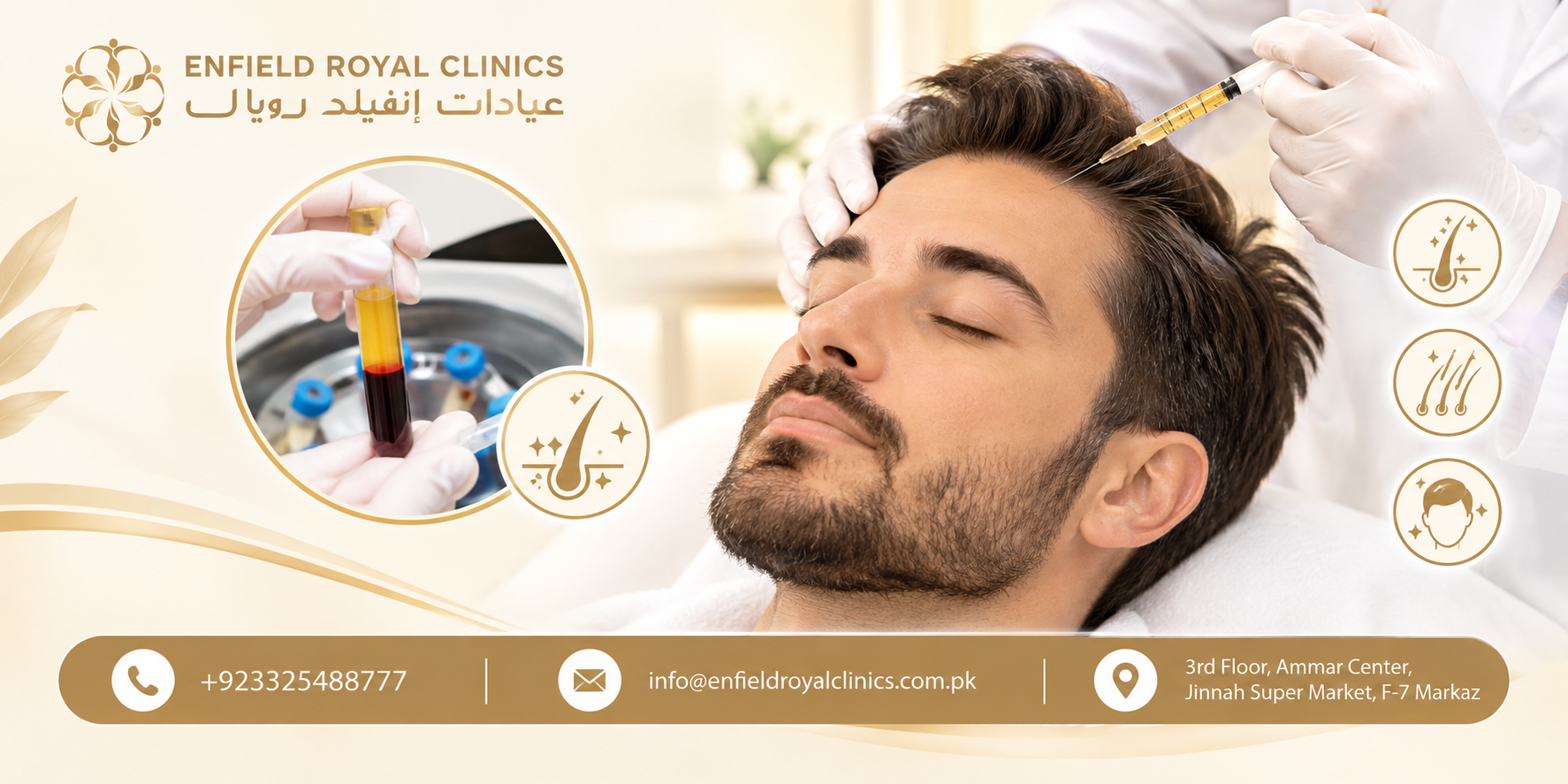
Healthy hair growth begins beneath the surface of the scalp. Each strand develops from a hair follicle, and the condition of these follicles can influence hair thickness, strength, and overall density. When follicles become weaker or produce increasingly finer strands, gradual thinning may become noticeable. For people experiencing certain types of hair loss, modern regenerative treatments such as Platelet-Rich Plasma (PRP) therapy may offer a minimally invasive way to support existing follicles.
PRP Hair Treatment in Islamabad uses concentrated platelets obtained from the patient's own blood and introduces them into targeted areas of the scalp. Platelets contain growth factors involved in the body's natural repair processes. When carefully delivered around hair follicles, these components may help support the scalp environment and follicular activity.
Understanding how PRP works can help patients develop realistic expectations and make informed decisions about hair restoration.
What Are Hair Follicles and Why Do They Matter?
Hair follicles are small structures within the skin where hair grows. Each follicle goes through a natural cycle that includes growth, transition, and resting phases. Healthy follicles can repeatedly produce new hair as part of this cycle.
Several factors can affect follicle health. Genetics, hormonal changes, aging, nutritional deficiencies, stress, certain medications, and scalp conditions may contribute to hair thinning or excessive shedding.
When a follicle becomes weaker, the hair it produces may gradually become finer and less visible. In some forms of hair loss, follicles may eventually become inactive. Treatments such as PRP are generally intended to support follicles that are still viable rather than recreate follicles that have permanently disappeared.
How Does PRP Reach the Hair Follicles?
PRP treatment begins with a small blood sample collected from the patient. The sample is processed to separate the platelet-rich portion from other components of the blood.
The resulting plasma contains a higher concentration of platelets and naturally occurring growth factors. Once prepared, it is carefully introduced into selected areas of the scalp through multiple small injections.
The targeted approach allows PRP to be delivered close to areas where hair follicles may need additional support. The goal is to provide a favorable environment around existing follicles and encourage processes associated with tissue repair and cellular activity.
Because the treatment uses the patient's own blood components, PRP does not involve transplanting hair from another area of the scalp.
How Can PRP Support Follicle Strength?
Platelets play an important role in the body's natural healing response. They release growth factors that participate in tissue repair, cellular communication, and the formation of supportive tissue.
When PRP is administered around hair follicles, these growth factors may help support the local scalp environment. This may contribute to improved follicular activity and healthier-looking hair in suitable patients.
The term “strengthen” does not mean that PRP permanently changes every follicle or guarantees new hair growth. Instead, it refers to the potential for supporting existing follicles so they can function in a healthier environment.
Some patients may notice that hair appears thicker, stronger, or fuller over time. However, the degree of improvement depends on the condition of the follicles and the underlying cause of hair loss.
What Makes PRP Useful for Thinning Hair?
One potential advantage of PRP is that it focuses on existing follicles. For patients with early or moderate thinning, many follicles may still be present but producing finer hair than before.
Supporting these follicles may help improve the overall appearance of the scalp. As individual strands become healthier-looking, hair density may appear improved even without surgical transplantation.
PRP can also be considered when someone prefers a minimally invasive approach. The procedure does not involve cutting the scalp or relocating hair follicles. Instead, it uses a patient's own platelet-rich plasma as part of a targeted scalp treatment.
However, PRP is not appropriate for every type of hair loss. A person with significant follicle loss may need a different approach, while temporary hair shedding caused by an underlying health issue may require treatment of the underlying problem first.
What Happens During PRP Hair Treatment?
A PRP session usually starts with an evaluation of the scalp and hair-loss pattern. After the blood sample is collected, it is processed to prepare the platelet-rich plasma.
The scalp is then prepared, and the PRP is administered into areas experiencing thinning. The injections are typically distributed across selected regions rather than placed in only one location.
Mild tenderness, redness, swelling, or sensitivity may occur temporarily after treatment. The recovery experience varies from one individual to another.
Patients may receive aftercare instructions regarding scalp washing, exercise, hair products, and other activities following treatment. Following these recommendations can help reduce unnecessary irritation and support recovery.
Because PRP is a non-surgical procedure, there is generally no lengthy surgical recovery period associated with it.
When Does Follicle Improvement Become Noticeable?
Hair follicles follow natural growth cycles, so PRP cannot be expected to produce immediate visible growth. Changes generally develop gradually.
Some patients may first notice reduced shedding or changes in hair texture. Improvements in density or thickness may take longer because newly growing hair needs time to become visible.
The timeline varies depending on the patient's age, hair-loss pattern, follicle condition, general health, and treatment plan. Multiple sessions may be recommended in some cases to provide continued support.
Realistic expectations are important. PRP may improve the appearance of existing hair for suitable patients, but results are not guaranteed and can differ considerably between individuals.
Who May Benefit from Follicle-Supporting PRP Treatment?
PRP may be considered for people with certain types of gradual hair thinning where active follicles remain. It can be particularly relevant when hair has become finer or less dense but the follicles have not completely stopped producing hair.
Possible concerns include:
- Gradual thinning across the scalp
- Reduced hair density
- Thinning around the crown
- A widening part
- Increased hair shedding
- Fine or weak-looking strands
Before treatment, the underlying cause of hair loss should be considered. Genetic hair loss, hormonal changes, nutritional problems, scalp conditions, stress, and other factors can require different management strategies.
A professional assessment can help determine whether PRP is appropriate and whether additional treatments or investigations may be needed.
Frequently Asked Questions
1. Can PRP actually strengthen weak hair follicles?
PRP may support existing follicles by delivering concentrated platelets and growth factors to the scalp. This may help create a more supportive environment for follicular activity, although results vary between patients.
2. Can PRP make individual hair strands thicker?
In suitable patients, PRP may improve the appearance of hair thickness by supporting existing follicles. However, the degree of improvement depends on follicle health and the underlying cause of thinning.
3. Is PRP effective when a hair follicle is completely inactive?
PRP is generally intended to support viable follicles. If follicles have been permanently lost or are no longer capable of producing hair, PRP may have limited ability to restore them.
4. How long does it take to see results after PRP treatment?
Results develop gradually because hair grows through natural cycles. Some patients may notice changes in shedding or hair quality before visible improvements in density become apparent.
Final Thoughts
Hair follicle health plays an important role in maintaining stronger, fuller-looking hair. PRP therapy is designed to support existing follicles by delivering concentrated platelets and growth factors directly to selected areas of the scalp.
For suitable patients, PRP Hair Treatment in Islamabad may provide a minimally invasive approach to supporting hair thickness and follicular activity. The results depend on factors such as the cause of hair loss, follicle condition, treatment planning, and individual response. A proper assessment and realistic expectations are therefore essential when considering PRP as part of a hair restoration plan.
For more information visit Enfield royal clinic in islamabad

 English
 Arabic
 Spanish
 Portuguese
 Deutsch
 Turkish
 Dutch
Dutch
 Italiano
 Russian
 Romaian
 Portuguese (Brazil)
 Greek
Greek