


Commercial Bee Removal in Fort Worth, TX: Managing Bee Infestations Around Commercial Properties?
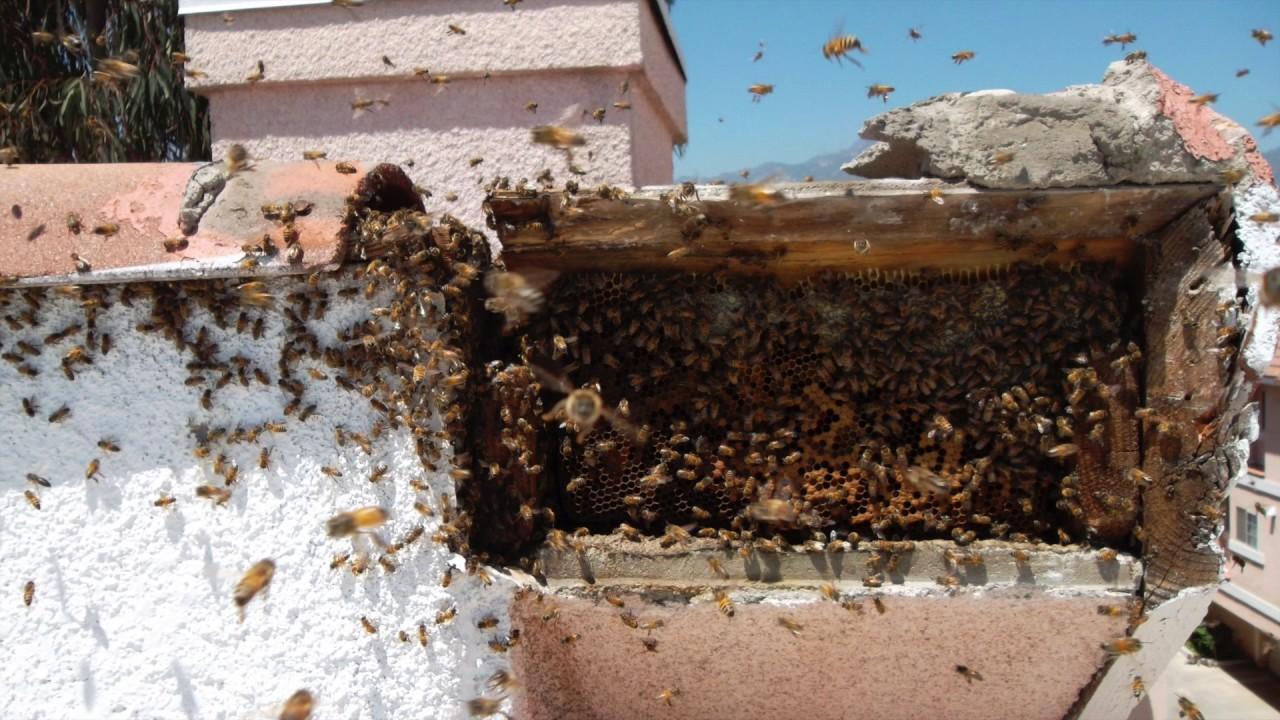
When bees begin gathering around a store, office, warehouse, restaurant, or other commercial property, the first step is to keep people away from the active area and determine whether the insects are simply passing through or nesting on the property. Commercial Bee Removal in Fort Worth, TX focuses on identifying the bee activity, locating an established colony when one is present, and choosing a suitable removal or control method. The process should also address the area where bees are entering or nesting so the problem does not simply move somewhere else.
Why Bee Activity Can Become a Commercial Property Problem
A few bees near flowers or landscaping may not indicate an infestation. The situation deserves closer attention when workers or customers repeatedly see bees entering the same opening, gathering around a roofline, or clustering near a wall, soffit, chimney, storage area, or other protected space.
Commercial buildings can have many potential nesting locations. Roof systems, wall cavities, utility penetrations, exterior signs, vents, sheds, and unused structural spaces can provide sheltered areas for bees.
The location also matters because commercial properties have more people moving through them than most homes. Employees may need to enter a service area, customers may walk near an entrance, and maintenance teams may work around exterior walls or roofs.
The Texas A&M AgriLife Extension explains that honey bees can establish colonies in building cavities and recommends professional assistance for colonies located in structures.
What Commercial Bee Removal in Fort Worth, TX Should Address?
Effective removal starts with inspection rather than immediately treating the bees that are easiest to see.
A technician should determine where the bees are entering and whether their behavior indicates an established colony. A large cluster hanging from an exterior surface can represent a different situation from bees repeatedly traveling through a small opening in a wall.
The inspection should also consider what happens after the insects are removed. If bees have established a colony inside a cavity, the nest itself may need attention. Honey, wax, comb, and other nesting material can remain after the bees are gone.
Simply sealing an active entrance can also create problems. Texas A&M AgriLife Extension warns that blocking an entrance while bees remain inside a building can cause them to search for another exit.
A practical commercial removal plan should therefore consider four questions:
This approach keeps the focus on solving the underlying issue rather than simply reducing visible bee activity.
How Businesses Can Respond Before Help Arrives?
Employees should avoid disturbing a concentrated group of bees. Staff should not poke a nest, spray chemicals into an opening, or attempt to remove a colony from a roof, wall, or elevated structure.
Instead, businesses can create temporary distance between people and the active area. If the bees are near an entrance, walkway, outdoor seating area, loading zone, or employee work area, redirecting foot traffic can reduce unnecessary contact.
A simple response checklist can help:
-
Identify the location of the visible bee activity.
-
Keep employees and customers away from the immediate area.
-
Do not block an active entrance into a building cavity.
-
Do not disturb a suspected nest or colony.
-
Photograph the activity from a safe distance if documentation is needed.
-
Record where bees are entering and whether activity continues throughout the day.
-
Arrange an inspection by an appropriately qualified professional.
The goal is not to make employees responsible for identifying the exact bee species or deciding how the colony should be removed. Their role is to recognize unusual activity, protect the immediate area, and provide useful information to the person handling the inspection.
Choosing a Removal Approach for Different Commercial Sites
Not every commercial bee problem looks the same. A restaurant patio, retail storefront, warehouse, office building, and industrial property can present different access and safety considerations.
A temporary swarm outdoors may not require the same type of structural work as an established colony inside a wall. Similarly, bees entering a roof cavity may require a more detailed inspection than bees clustered temporarily on a tree branch.
When honey bees are involved, live removal may sometimes be possible. Texas A&M AgriLife Extension notes that live extraction can take longer and is not practical in every situation. The condition and accessibility of the colony are important factors.
Businesses considering Professional Bee Removal in Fort Worth, TX should ask what the proposed method involves before work begins.
Useful questions include:
-
Where is the colony believed to be located?
-
Is the activity consistent with an established nest?
-
Will the nesting material be addressed?
-
How will employees and customers be kept away during the work?
-
What will happen to the building entrance used by the bees?
-
What should the property manager monitor after removal?
Clear answers can help a business understand whether the proposed service addresses the complete problem.
A Practical Lesson From Commercial Bee Inspections
One useful lesson from bee removal work is that the busiest location is not necessarily the location of the colony.
Imagine a property manager notices bees repeatedly entering a narrow gap near the upper exterior wall of a commercial building. The natural assumption is that the nest must be directly behind that gap.
An inspection may show that the opening is simply the colony's access point. The actual nesting space can extend farther into a wall or another enclosed section of the structure.
That distinction matters.
If someone treats only the visible opening, the colony may remain inside. If the opening is sealed before the colony is properly handled, the bees may look for another way out. If the colony is removed but nesting material remains, the building can still require additional cleanup.
The practical lesson is simple: follow the bee traffic back to the source instead of treating the most visible symptom.
This inspection-first mindset can make commercial bee management more organized and reduce unnecessary disruption to the property.
Preventing Future Bee Problems Around Business Properties
Once the immediate bee issue has been resolved, property managers can look for structural conditions that may provide future access.
Exterior inspections should include roof edges, soffits, vents, wall openings, utility penetrations, damaged siding, and other protected cavities. Businesses with older buildings may benefit from making these checks part of routine exterior maintenance.
Landscaping can also influence where bees are seen. Flowering plants can attract bees as they forage, which does not necessarily mean a colony is located on the property. The key is distinguishing normal foraging activity from repeated traffic into a specific structural opening.
Businesses can maintain a simple monitoring record containing:
This type of information can make an inspection more efficient because the professional has a clearer picture of what employees have observed.
For businesses that need help identifying appropriate hive removal resources, the Texas Apiary Inspection Service provides information about hive removal services in Texas.
Conclusion
Commercial Bee Removal in Fort Worth, TX is not simply about removing bees that employees or customers can see. A complete response begins with identifying the activity, determining whether a colony is established, protecting people from the active area, and addressing the nesting location when necessary.
The most useful approach for a commercial property is inspection first, followed by an appropriate removal or control method and attention to the building area that allowed the bees to enter. Businesses can also reduce future problems by monitoring exterior openings and recording unusual bee activity.

 English
 Arabic
 Spanish
 Portuguese
 Deutsch
 Turkish
 Dutch
Dutch
 Italiano
 Russian
 Romaian
 Portuguese (Brazil)
 Greek
Greek