


Racing Suits Explained: Key Features Every Driver Should Know
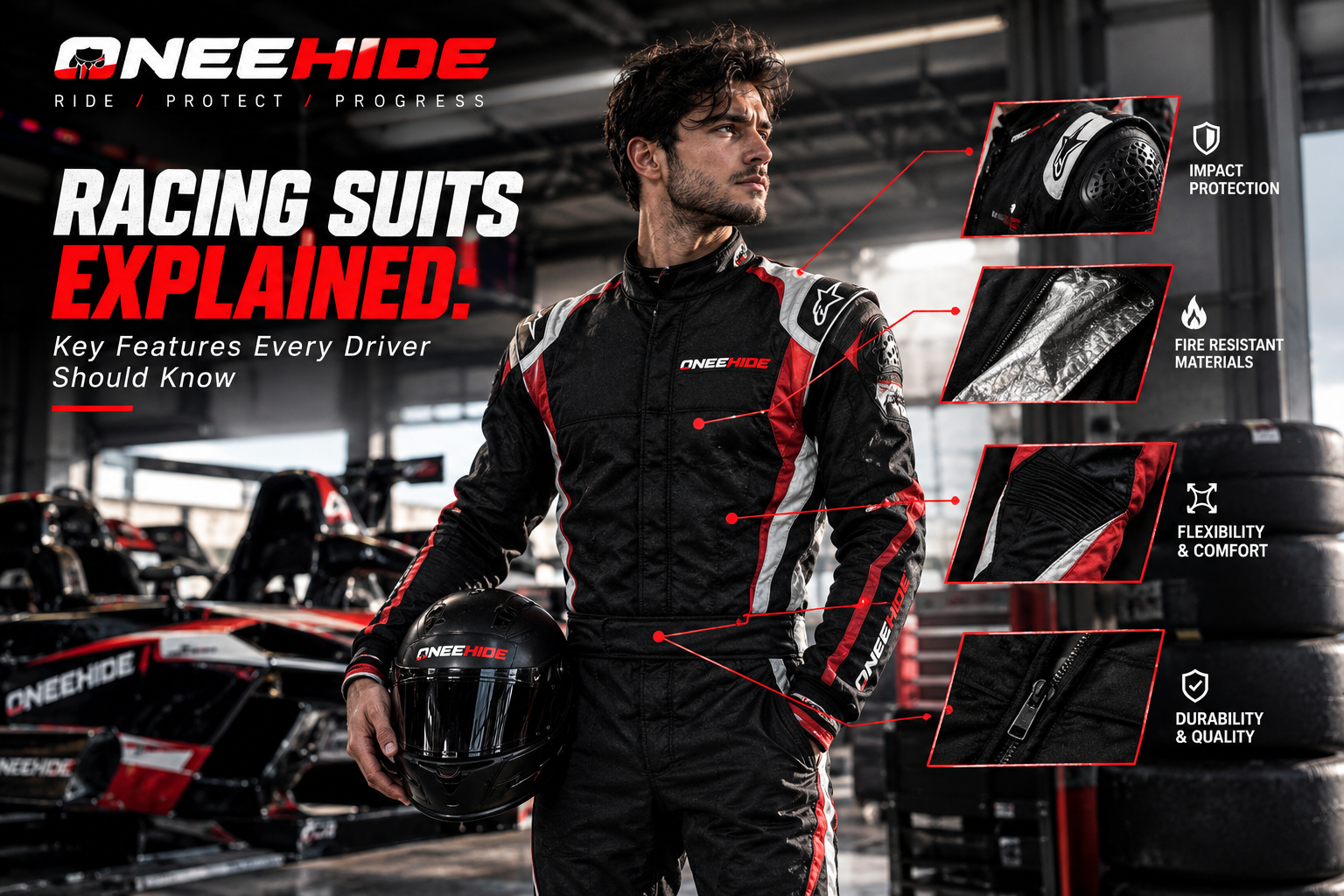
Racing suits are an essential part of a driver's protective equipment. Unlike ordinary clothing, a competition suit is designed to help protect the driver from heat and flame while also providing the flexibility needed to operate a race car. The right suit combines certified protective materials, practical construction, comfortable fit, and features suited to the type of motorsport involved.
Drivers should also understand that safety requirements can differ between racing organizations. The FIA maintains standards for protective clothing used by automobile drivers, including FIA Standard 8856-2018, while the SFI Foundation maintains Specification 3.2A for driver suits. Checking the regulations of the specific series or track is therefore an important step before purchasing equipment.
Why a Racing Suit Matters
The primary purpose of a racing suit is protection against fire and heat. During a serious vehicle incident, a driver's clothing can become an important part of the overall safety system. Specialized racing garments use flame-resistant materials and construction designed for motorsport applications.
FIA Standard 8856-2018 introduced enhanced testing requirements for protective racing clothing, including improvements related to heat transfer protection. The standard applies to protective clothing for automobile drivers and is currently represented in FIA's homologation system.
SFI Specification 3.2A similarly establishes minimum testing and performance requirements for driver suits. SFI explains that its testing evaluates thermal protective performance against direct flame and radiant heat.
For this reason, choosing a suit based only on appearance or price can overlook one of its most important functions.
Key Materials Used in Racing Suits
Modern racing suits are manufactured from specialized flame-resistant fabrics. Some high-performance garments use materials such as Nomex and other purpose-designed fire-resistant textiles.
Material selection affects more than fire protection. Weight, breathability, flexibility, insulation, and durability all influence how a suit feels during a race. A lighter construction can be attractive for drivers competing in hot environments, while the design still needs to meet the applicable safety requirements.
Drivers should look for the relevant certification markings and verify that the garment is approved for their competition. SFI notes that certification under its driver-suit program is represented by the manufacturer's certification of compliance with the applicable specification.
Important Features to Look For
A quality racing suit normally includes several design elements intended to improve protection and usability.
Multi-Layer Construction
Some suits use multiple layers to provide additional thermal protection. The number and construction of layers can influence heat resistance, breathability, and overall weight.
Protective Closures
The front closure, cuffs, and collar should provide secure coverage without interfering with movement. Proper closure is especially important around areas where exposed skin could otherwise become vulnerable.
Reinforced Stitching
High-quality construction includes durable seams and stitching designed to withstand repeated movement and wear. Reinforcement can be particularly valuable around high-stress areas such as the shoulders, elbows, knees, and seat area.
Pockets and Practical Details
Pockets can be convenient, but they should not interfere with harnesses or other safety equipment. Racewear should always be considered as part of the complete driver safety system rather than as a standalone garment.
Choosing the Right Fit
A racing suit needs to allow natural movement while maintaining appropriate coverage. A suit that is excessively loose can become cumbersome inside the cockpit, while one that is excessively tight may restrict movement and reduce comfort.
The racing suit fit and sizing process should therefore consider more than chest or waist measurements. Drivers should compare their height, torso length, chest, waist, hips, sleeve length, and inseam with the manufacturer's sizing chart.
A particularly important point comes from the SFI Foundation: suit fit affects insulation because a garment that is too tight can compress the air gaps within the clothing and allow heat to reach the skin more quickly.
When trying on a suit, check whether you can comfortably sit in the driving position, reach the steering wheel, operate controls, and move your arms without excessive tension across the shoulders. The suit should remain secure when seated rather than becoming uncomfortably short at the legs or arms.
Consider Underwear and Additional Racewear
A racing suit is only one part of a driver's protective clothing. FIA-regulated competition may require additional protective equipment, while SFI separately covers driver accessories such as gloves, shoes, hoods, balaclavas, socks, and underclothing under Specification 3.3.
Fire-resistant underwear can provide another layer of protection and can also improve comfort by helping manage perspiration. SFI specifically notes that its driver-suit thermal protection rating does not include underwear and recommends fire-resistant underwear with driver suits, particularly single-layer suits.
Drivers should therefore check the complete equipment requirements of their racing organization rather than assuming that a compliant outer suit alone satisfies every rule.
Check Homologation Before Buying
Homologation is one of the most important details to verify. A suit may look like professional racewear but still fail to meet the requirements of a particular competition.
The FIA currently maintains a dedicated technical list for protective clothing for automobile drivers homologated according to FIA Standard 8856-2018. Its regulations section also lists the applicable flame-resistant clothing standards and technical information.
For competitions using SFI requirements, drivers should verify the relevant SFI specification level. SFI lists driver suits under Specification 3.2A and identifies different performance levels within that specification.
Always match the suit's certification to the exact rulebook governing the event.
Comfort Is Part of Performance
A driver may spend a significant amount of time inside a warm, confined cockpit. Poor ventilation, uncomfortable seams, excessive weight, or restrictive construction can become distracting during a race.
Breathable panels, ergonomic construction, appropriate flexibility, and a suitable weight can make a noticeable difference in comfort. However, comfort should complement—not replace—the required safety certification.
Drivers should also wear the same combination of base layers and safety equipment during fitting that they expect to use during competition. This provides a more realistic indication of how the complete setup will feel.
Take Care of the Suit Properly
Maintenance is essential for protective equipment. Follow the garment's care instructions carefully and avoid exposing the suit unnecessarily to contaminants.
The SFI Foundation warns that fuel, oil, grease, and cleaning fluids can soak into a driver suit and potentially increase the danger during a fire. It also advises replacing a suit after involvement in a fire because even small areas of scorching can create weaknesses in the material.
Regular inspection should include seams, closures, cuffs, fabric condition, and certification labels. Any obvious damage should be evaluated before the suit is used again in competition.
Choose Racewear With the Whole System in Mind
The best racing suit for a driver depends on the motorsport discipline, applicable regulations, climate, driving position, and personal requirements. Safety certification should come first, followed by fit, comfort, construction, and practical features.
Rather than selecting a suit simply because it looks professional, examine the certification, materials, sizing information, construction quality, and compatibility with the rest of your protective equipment. A properly selected racing suit can provide an important layer of protection while allowing the driver to remain comfortable and focused throughout competition.

 English
 Arabic
 French
 Spanish
 Portuguese
 Deutsch
 Turkish
 Dutch
Dutch
 Italiano
 Romaian
 Portuguese (Brazil)
 Greek
Greek