


Kingswood Landscape: Choosing a Commercial Landscape Architect for Better Business Spaces
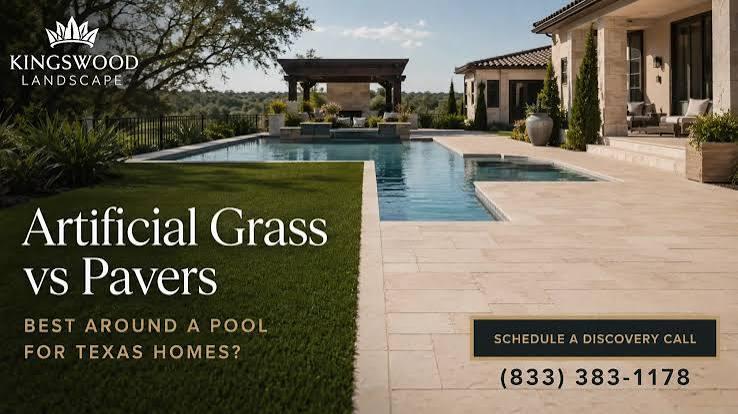
A well-designed commercial property can create a lasting impression before a customer even walks through the front door. From office campuses and retail centers to hospitality venues and new developments, the outdoor environment plays an important role in how people experience a business. Thoughtful planting, attractive walkways, functional gathering areas, and carefully selected materials can make a property feel welcoming while also supporting practical needs.
For property owners and developers, working with an experienced commercial landscape architect can make the planning process much easier. Instead of treating outdoor areas as an afterthought, professional landscape planning considers appearance, usability, maintenance, drainage, circulation, and long-term performance together. Kingswood Landscape brings this type of thoughtful approach to projects where exterior design needs to complement the property and its purpose.
Why Commercial Landscape Planning Matters
Commercial landscapes have different demands than ordinary residential yards. A business property may need to accommodate employees, customers, visitors, delivery vehicles, pedestrians, outdoor seating, signage, and multiple entrances. Every part of the exterior needs to work together while maintaining a polished appearance throughout the year. A strong landscape plan can help organize these elements without making the property feel crowded or disconnected.
A qualified commercial landscape architect looks beyond individual plants or decorative features. The planning process can consider how people move through the site, where shade is needed, how planting will mature, and how outdoor spaces can support the identity of a business. This broader perspective helps create an environment that feels intentional rather than assembled piece by piece.
Creating an Outdoor Environment That Fits the Property
Every commercial location has its own architecture, surroundings, and purpose. A medical facility may benefit from calm planting and comfortable pedestrian areas, while a corporate campus might need attractive gathering spaces and clear pathways. Retail properties may require a combination of visual appeal, accessibility, parking-area landscaping, and easy movement between different sections of the site.
Kingswood Landscape can help bring these considerations together through a design approach that respects the character of the property. Instead of forcing the same style onto every location, thoughtful planning allows landscape elements to complement existing structures and create a consistent visual experience. This can make the exterior feel like a natural extension of the building rather than a separate feature.
Designing Spaces for Everyday Use
Good commercial landscaping should look attractive, but appearance is only one part of successful outdoor design. Employees may use exterior areas for breaks, customers may wait or walk between entrances, and visitors may need clear routes across the property. These everyday activities should influence the arrangement of planting, paths, seating areas, lighting, and other landscape elements.
A skilled commercial landscape architect can help balance beauty with practical requirements. Features can be positioned to encourage comfortable movement while preserving open areas where they are needed. With careful planning, outdoor spaces can serve multiple purposes without becoming difficult to navigate or maintain.
Some useful considerations during commercial landscape planning include:
-
Comfortable pedestrian circulation and clearly defined walkways.
-
Plant selections suited to the property's environment and maintenance needs.
-
Outdoor areas that provide shade, visual interest, or gathering opportunities.
-
Landscape features that complement the building and surrounding architecture.
-
Practical planning for irrigation, drainage, lighting, and long-term upkeep.
Selecting Plants With Long-Term Performance in Mind
Plant selection can have a major influence on the success of a commercial landscape. Attractive plants may look appealing when first installed, but their mature size, seasonal characteristics, water requirements, and maintenance demands also need consideration. Choosing suitable varieties from the beginning can help the landscape remain balanced as it develops.
A commercial landscape architect can consider how different plantings will interact over time rather than focusing only on their initial appearance. Trees, shrubs, grasses, flowers, and groundcovers can be arranged to create layers of texture and seasonal interest. This approach can also reduce the likelihood of overcrowding, poor visibility, or unnecessary replacement work later.
Improving Curb Appeal Without Overdoing It
The exterior of a commercial property often provides the first visual impression of the business. A neglected entrance, inconsistent planting, or empty outdoor area can make an otherwise attractive building feel unfinished. On the other hand, an overly complicated landscape may create maintenance challenges and distract from the architecture.
The goal is to develop a balanced appearance that feels professional and inviting. Kingswood Landscape can help property owners consider where visual emphasis is most useful, such as entrances, pedestrian approaches, gathering areas, or prominent corners of a site. Strategic landscape features can create character while keeping the overall design clean and easy to understand.
Planning for Maintenance and Seasonal Changes
A commercial landscape needs to remain functional after the initial installation is complete. Plants grow, weather conditions change, and outdoor features naturally experience wear. Planning with future maintenance in mind can make it easier to preserve the intended appearance without creating an excessive workload.
An experienced commercial landscape architect can account for mature plant sizes, irrigation requirements, access for maintenance crews, and seasonal changes during the design stage. This forward-thinking method helps property owners understand how the landscape may perform months and years after installation. A practical design is not simply attractive on opening day; it should continue to serve the property as it evolves.
Supporting a More Comfortable Outdoor Experience
Outdoor environments can influence how people feel when they arrive at a commercial property. Trees can provide shade, planting can soften hard architectural lines, and thoughtfully arranged seating areas can make an exterior more inviting. Even small improvements can change how employees, customers, and visitors interact with the surrounding space.
Working with Kingswood Landscape can help transform unused or underdeveloped areas into purposeful outdoor environments. Whether the project involves a new property or an existing site that needs improvement, the design can focus on creating spaces that are comfortable, attractive, and appropriate for everyday activity.
Making Better Decisions Before Construction Begins
Landscape projects involve many decisions, and making those choices before construction begins can reduce confusion later. Site conditions, material selections, planting arrangements, drainage requirements, access points, and functional zones all need to work together. Early planning creates an opportunity to identify potential issues before they become expensive changes during installation.
A commercial landscape architect can provide a structured design direction that connects these individual details. This allows property owners and project teams to understand the intended outcome before work begins. Clear planning can also help different professionals coordinate their efforts so the finished landscape feels unified.
Why Experience Matters in Commercial Landscape Design
Commercial properties can be complex because they often involve larger spaces, higher foot traffic, specific access requirements, and greater visibility. Experience with these environments can help a landscape professional recognize challenges that may not be obvious at the beginning of a project. Understanding the relationship between architecture, landscape, people, and maintenance is especially valuable.
Kingswood Landscape focuses on creating outdoor environments that combine visual character with practical use. By considering the property's needs from the planning stage, a landscape design can become more than decorative planting. It can contribute to the overall atmosphere, organization, and usability of the commercial setting.
Conclusion
A successful commercial landscape should support the property in several ways. It should look attractive, guide movement, provide comfortable outdoor areas, complement surrounding architecture, and remain manageable over time. These goals require more than choosing plants and placing decorative features. They depend on careful planning and an understanding of how people and businesses use outdoor environments.
Choosing the right commercial landscape architect can help turn those goals into a cohesive plan. With thoughtful design, appropriate plant selection, practical circulation, and attention to long-term performance, a commercial property can gain an exterior environment that feels polished and purposeful. Kingswood Landscape can be part of that process by helping create outdoor spaces that are designed around the property's character, function, and future needs.

 English
 Arabic
 French
 Spanish
 Portuguese
 Deutsch
 Turkish
 Dutch
Dutch
 Italiano
 Russian
 Romaian
 Greek
Greek