


How Does a Laser Cleaner Machine Transform Modern Surface Cleaning
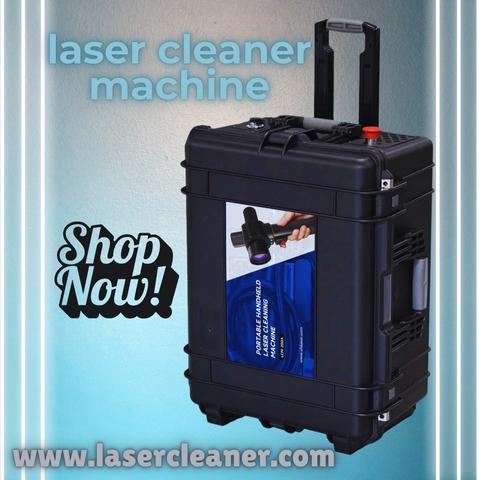
Surface preparation plays an important role in manufacturing, maintenance, restoration, and metalworking. Traditional cleaning methods often require chemicals, abrasive materials, manual scraping, or extensive preparation. A laser cleaner machine provides a modern approach by using controlled laser energy to remove unwanted materials from surfaces while maintaining precise control over the cleaning process.
From rust and paint to oil, grease, oxide layers, and other contaminants, laser cleaning technology can be adapted to many industrial applications. Its precision makes it suitable for delicate components as well as larger metal structures. As industries continue searching for cleaner and more controlled production methods, laser-based surface treatment is becoming increasingly relevant.
What Is a Laser Cleaner Machine?
A laser cleaner machine is an industrial system designed to remove contaminants from a material surface through concentrated laser energy. Instead of relying on physical contact or chemical solutions, the laser interacts with the unwanted layer and separates it from the underlying material.
The machine generally combines a laser source, optical system, control interface, scanning mechanism, and cooling or supporting components. Depending on the application, different laser powers and operating parameters can be selected.
The process can be carefully adjusted according to the material being treated and the type of contamination present on the surface. This makes laser cleaning useful for applications where conventional cleaning methods may require additional handling or preparation.
How Does Laser Cleaning Work?
Laser cleaning is based on controlled interaction between laser energy and surface contaminants. When the laser beam reaches a contaminated area, the unwanted layer absorbs energy. Under suitable operating conditions, the contaminant is rapidly heated and removed from the surface.
The laser parameters can be adjusted according to the thickness, composition, and condition of the material. Pulse duration, frequency, scanning speed, power, and beam characteristics can all influence the cleaning result.
A scanning system moves the laser beam across the selected area, allowing operators to treat specific sections systematically. With the correct settings, the process can remove contamination while minimizing unnecessary interaction with the base material.
Removing Rust From Metal Surfaces
Rust removal is one of the most common applications for laser cleaning equipment. Steel components, machinery, tools, automotive parts, molds, and structural materials can develop rust when exposed to moisture and oxygen.
A laser cleaner machine can target the oxidized layer and remove it from the metal surface. This can help prepare components for painting, welding, coating, inspection, or further manufacturing.
For industrial maintenance, laser rust removal can also be useful when equipment needs to be cleaned without extensive dismantling. Operators can concentrate the cleaning process on affected areas and adjust the working parameters according to the condition of the surface.
Paint and Coating Removal
Old paint and protective coatings sometimes need to be removed before refurbishment or repair. Mechanical grinding can create dust and may alter the underlying surface, while chemical stripping requires appropriate handling and disposal procedures.
Laser cleaning provides a controlled alternative for removing selected coatings. The laser can be directed across painted surfaces to separate the coating from the underlying material.
This application is particularly useful in manufacturing and maintenance environments where surface preparation needs to be accurate and repeatable. Operators can adjust the laser settings according to the coating thickness and substrate.
Oil, Grease, and Industrial Contaminants
Manufacturing components often accumulate oil, grease, dirt, and other residues during production or operation. Before welding, coating, inspection, or assembly, these contaminants may need to be removed.
A laser cleaner machine can be used for targeted surface preparation. The cleaning process can help remove unwanted residues from metal components and production parts without requiring direct mechanical contact.
This makes laser cleaning suitable for workshops and factories where components must be prepared efficiently before another production stage.
Surface Preparation Before Welding
Clean surfaces are important for many welding applications. Rust, paint, oxides, oil, and other contaminants can interfere with the preparation of a workpiece.
Laser cleaning can be incorporated into a welding workflow to prepare the surface before joining. By treating only the required area, operators can clean the welding zone and then proceed with the next production stage.
For manufacturers working with steel, stainless steel, aluminum, and other metals, the ability to control the cleaning area can be particularly useful.
Cleaning Industrial Molds and Tools
Molds and tools can accumulate residue during repeated production cycles. Conventional cleaning may require manual labor or abrasive processes, depending on the type of contamination.
Laser cleaning can provide a controlled method for treating mold surfaces and tooling. Because the laser works without direct physical contact, it can reach selected areas while allowing operators to control the cleaning pattern.
Manufacturing facilities can use this approach as part of regular maintenance schedules, helping keep production equipment prepared for continued operation.
Applications in Automotive Manufacturing
The automotive sector uses many metal components that require cleaning and surface preparation. Laser cleaning can be used for removing rust, coatings, oil, oxides, and manufacturing residues from selected parts.
Applications may include brake components, engine parts, molds, tools, metal assemblies, and areas requiring preparation before welding or coating.
Because the cleaning process can be localized, manufacturers can treat specific sections without necessarily processing the entire component.
Restoration and Maintenance Work
Restoration projects often involve old metal objects, machinery, structures, and historical components. Removing contamination without unnecessarily affecting the original surface can be an important consideration.
Laser cleaning allows operators to work with controlled energy and scanning patterns. This makes it possible to approach delicate restoration tasks with greater precision than many aggressive mechanical methods.
The appropriate laser parameters should always be selected according to the material, contamination, and restoration requirements.
Choosing the Appropriate Machine
Selecting a laser cleaner machine requires consideration of the intended application. Different cleaning tasks may require different laser power levels, operating modes, scanning widths, and control systems.
For light surface contamination, a lower-power configuration may be appropriate. Heavier rust, coatings, or industrial residues may require a more powerful system.
The material being cleaned is equally important. Steel, stainless steel, aluminum, brass, and other materials can respond differently to laser energy. Before purchasing equipment, manufacturers should evaluate sample parts and determine suitable operating parameters.
Portability can also matter. Handheld systems are useful for workshops and maintenance applications where operators need to move around large or irregular components. Integrated systems may be more suitable for automated production environments.
Operating and Workplace Considerations
Laser equipment should always be operated according to the manufacturer's instructions and applicable workplace safety requirements. Laser radiation can present serious hazards to eyes and skin, so appropriate protective measures and controlled operating areas are essential.
Operators should receive suitable training and understand the machine's controls, operating parameters, protective equipment, and emergency procedures.
Ventilation and fume extraction may also be required because removing paint, coatings, oils, or other materials can produce particles and fumes. The correct extraction and filtration arrangement should be selected according to the materials being processed.
Integrating Laser Cleaning Into Production
Modern manufacturing increasingly focuses on improving consistency and controlling individual production stages. Laser cleaning can become part of a broader production workflow rather than functioning only as a standalone maintenance process.
For example, a manufacturer may use laser cleaning before welding, coating, painting, inspection, bonding, or assembly. Automated systems can also be integrated with production equipment when repeatable cleaning patterns are required.
The ability to program and control the cleaning process can make the technology suitable for both individual components and repeated industrial operations.
Why Laser Cleaning Is Expanding
Industries are continuously looking for more precise methods of surface preparation. Laser technology provides a controllable approach that can be adapted to different materials and contamination types.
As laser sources, scanning systems, controls, and automation continue to develop, laser cleaning equipment is becoming accessible for more applications. Manufacturers can select systems based on their production requirements, component sizes, cleaning materials, and desired workflow.
For businesses handling frequent rust removal, coating removal, industrial maintenance, or precision surface preparation, investing in suitable laser equipment can support a more modern cleaning process.
Final Thoughts
A laser cleaner machine offers a precise approach to removing rust, paint, oxides, oil, grease, and other unwanted surface materials. Its controlled operation makes it suitable for manufacturing, maintenance, automotive production, tooling, restoration, and metal preparation.

 Arabic
 French
 Spanish
 Portuguese
 Deutsch
 Turkish
 Dutch
Dutch
 Italiano
 Russian
 Romaian
 Portuguese (Brazil)
 Greek
Greek