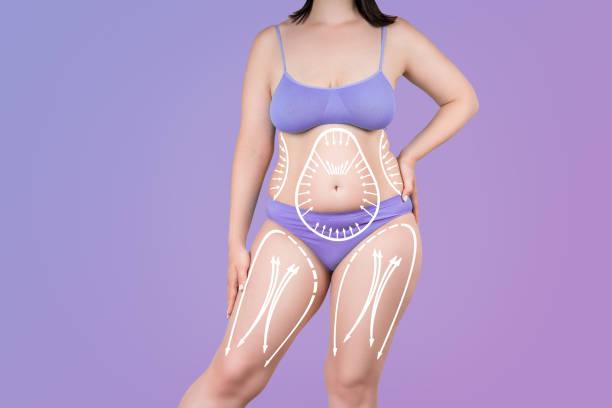
Abdominal body contouring can address concerns such as localized fat, loose skin, and changes in the abdominal wall. Liposuction and a tummy tuck are different procedures, but they may sometimes be considered together when a patient has more than one concern. Abdominal Liposuction and Tummy Tuck in Riyadh (عملية شد البطن في الرياض) can be evaluated during a personalized consultation to determine which approach may be appropriate.
Understanding Abdominal Liposuction
Abdominal liposuction is designed to remove selected deposits of subcutaneous fat beneath the skin. It can be used to contour areas where localized fat affects the appearance of the abdomen or waist.
The procedure is not intended to treat obesity or provide significant overall weight loss. Instead, it focuses on improving body proportions by reducing specific fat deposits.
Patients should understand that liposuction does not remove significant excess skin. The amount of skin contraction after fat removal depends partly on skin elasticity.
Understanding a Tummy Tuck
A tummy tuck, also known as abdominoplasty, primarily addresses excess abdominal skin. It may be considered after pregnancy, significant weight loss, or substantial stretching of the abdominal tissues.
During surgery, selected excess skin is removed and the remaining tissue is repositioned. When appropriate, weakened or separated abdominal muscles may also be repaired.
Unlike liposuction, a tummy tuck involves a surgical incision and results in a scar. Scar appearance varies according to surgical technique, individual healing, and other personal factors.
Why Some Patients Consider Both Procedures
Liposuction and a tummy tuck address different concerns. Liposuction focuses on localized fat, while a tummy tuck addresses excess skin and may address certain abdominal wall changes.
For selected patients, Abdominal Liposuction and Tummy Tuck in Riyadh may be combined to address both concerns within a coordinated body-contouring plan.
However, combining procedures is not automatically appropriate. The surgeon must consider the patient's health, anatomy, skin quality, fat distribution, and expectations before recommending this approach.
Who May Be a Suitable Candidate?
Suitability varies from person to person. In general, candidates should be in suitable overall health and have realistic expectations about what surgery can accomplish.
A patient may be evaluated for treatment when they have:
- Localized abdominal or waist fat
- Excess or loose abdominal skin
- Relatively stable body weight
- Adequate overall health for surgery
- Realistic expectations
- Concerns that have not been adequately addressed through lifestyle changes
A detailed medical and physical assessment is necessary before treatment.
Why Stable Weight Matters
Body-contouring surgery is generally easier to plan when body weight is relatively stable. Significant weight loss after surgery can create additional loose skin, while weight gain can increase the size of remaining fat cells and change the contour.
Patients planning substantial weight loss may be advised to discuss the timing of surgery with their surgeon.
Future pregnancy should also be considered because pregnancy can stretch abdominal tissues and alter the results of a tummy tuck.
The Role of Skin Elasticity
Skin quality is an important consideration when choosing between liposuction and a tummy tuck.
If the skin has good elasticity, it may adapt more effectively after liposuction. However, significant skin laxity may remain after fat removal.
A tummy tuck can remove selected excess skin and may therefore be more appropriate when loose skin is a major concern. Some patients may require a combination approach if both fat and skin laxity are significant.
What Happens During the Consultation?
A consultation allows the surgeon to assess the abdomen and understand the patient's goals. The evaluation may include an examination of fat distribution, skin laxity, skin quality, abdominal muscles, previous surgical scars, and overall body proportions.
The surgeon should also review medical history, medications, allergies, previous procedures, and factors that could influence healing.
This information helps determine whether liposuction, a tummy tuck, or combined treatment may be suitable.
What Should Patients Expect During Recovery?
Recovery depends on the procedure or combination of procedures performed. Swelling, bruising, tenderness, tightness, and temporary sensory changes can occur.
Tummy tuck recovery can be more involved than liposuction alone, particularly when abdominal muscle repair is included. Heavy lifting and strenuous exercise may need to be restricted temporarily.
Patients should follow all postoperative instructions regarding wound care, medication, compression garments if recommended, physical activity, and follow-up visits.
Understanding Possible Risks
Like other surgical procedures, abdominal liposuction and tummy tuck involve potential risks. These can include infection, bleeding, fluid accumulation, delayed healing, changes in sensation, contour irregularities, scarring, and anesthesia-related complications.
A tummy tuck necessarily produces a surgical scar. The final appearance of the scar depends on individual healing and the surgical technique used.
Discussing personal medical history and risk factors with the surgeon is an important part of informed decision-making.
What Results Can Patients Expect?
The purpose of these procedures is to improve body contour rather than achieve major weight reduction. Liposuction can reduce selected fat deposits, while a tummy tuck can address excess skin and may address abdominal muscle changes.
Abdominal Liposuction and Tummy Tuck in Riyadh may provide a more refined abdominal contour for appropriately selected patients, but results vary according to anatomy, skin elasticity, healing, lifestyle, and surgical technique.
The final appearance develops gradually as swelling decreases and tissues heal.
Maintaining Results Over Time
Surgery does not prevent future changes in the body. Significant weight fluctuations, pregnancy, and normal aging can influence the abdominal contour after treatment.
Once cleared by the medical team, maintaining a stable weight and balanced lifestyle can help support the results.
Patients should also maintain realistic expectations about how the body may naturally change over time.
Choosing the Right Approach
There is no single approach that suits every patient. Someone primarily concerned with localized fat may be evaluated for liposuction, while someone with substantial loose skin may require a tummy tuck.
When both concerns are present, a combined approach may be discussed. Abdominal Liposuction and Tummy Tuck in Riyadh should always be planned according to individual anatomy, health, skin condition, and treatment goals.
Book Your Appointment at Royal Clinic Saudia
If you are considering abdominal body contouring, Royal Clinic Saudia ( عيادات رويال كلينك ) can provide a personalized consultation to discuss your concerns and available options. A detailed assessment can help determine whether liposuction, a tummy tuck, or a combination approach is appropriate for you.
FAQs:
Is abdominal liposuction the same as a tummy tuck?
No. Liposuction primarily removes localized fat, while a tummy tuck primarily addresses excess skin and may involve abdominal muscle repair.
Can loose skin be removed with liposuction?
Liposuction removes fat but does not remove significant excess skin. A tummy tuck may be considered when substantial skin laxity is present.
Can both procedures be performed together?
Yes, combined treatment may be considered for selected patients who have both localized fat and excess skin.
How long do the results last?
Results can be long-lasting, but significant weight changes, pregnancy, and aging can alter the abdominal contour over time.




 English
 Arabic
 French
 Spanish
 Portuguese
 Deutsch
 Turkish
 Dutch
Dutch
 Italiano
 Russian
 Romaian
 Greek
Greek