


How to Choose the Right Brick Pointing Contractor in Brooklyn
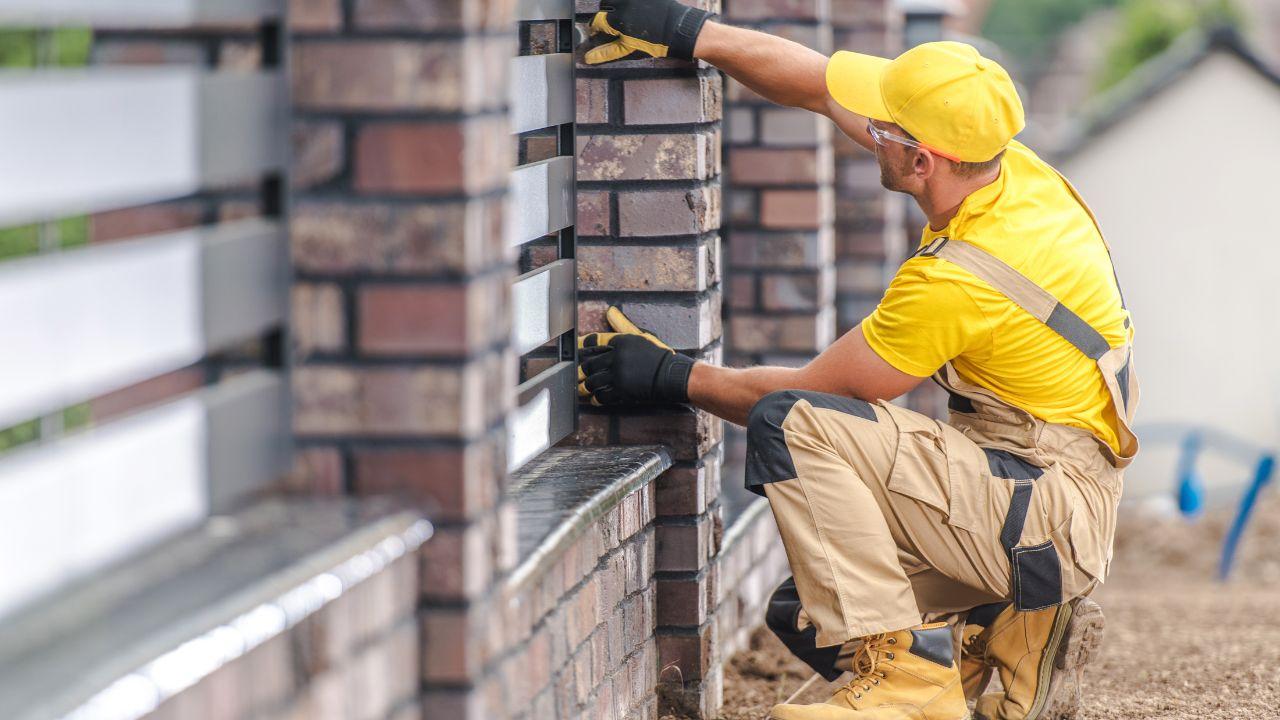
Brick Pointing Contractors in Brooklyn play an important role in maintaining the strength, appearance, and weather resistance of brick buildings. Choosing the right contractor means looking beyond price and finding a professional who understands mortar repair, brickwork, moisture protection, and the unique needs of Brooklyn properties.
What Is Brick Pointing?
Brick pointing, often called repointing, is the process of repairing or replacing deteriorated mortar joints between bricks. Over time, exposure to rain, snow, temperature changes, wind, and general wear can cause mortar to crack, crumble, or become loose.
Damaged mortar does more than make a building look older. It can allow moisture to penetrate the wall, potentially contributing to brick deterioration, interior dampness, and more extensive masonry problems.
A qualified contractor evaluates the existing mortar and determines whether localized repairs or more extensive repointing are necessary. The goal is to restore the joints while preserving the integrity and appearance of the existing brickwork.
Why Choosing the Right Contractor Matters
Not every contractor approaches masonry repair in the same way. Brick pointing requires attention to mortar composition, joint depth, brick condition, application technique, and weather conditions.
An inexperienced contractor may focus primarily on making damaged joints look new without addressing the underlying problem. Poorly matched mortar or improper application can create additional issues over time.
A reliable contractor should be able to:
-
Inspect the brick façade carefully
-
Identify deteriorated mortar joints
-
Recognize damaged or spalling bricks
-
Recommend appropriate repair methods
-
Match the replacement mortar to the existing masonry
-
Prepare joints properly before applying new mortar
-
Explain the expected scope and cost of the work
-
Follow appropriate safety practices
Taking time to choose the right professional can help prevent unnecessary repairs and provide better long-term value.
1. Look for Relevant Masonry Experience
One of the first things to check is the contractor's experience with brick pointing and masonry restoration. General construction experience is useful, but brick repointing requires specialized knowledge.
Ask how long the contractor has been performing this type of work and what kinds of properties they have worked on. Experience with residential homes, brownstones, row houses, apartment buildings, and other brick structures can be particularly valuable in Brooklyn.
A contractor who regularly works with masonry should understand that older buildings may have different brick and mortar characteristics than newer construction.
When researching Brick Pointing Contractors in Brooklyn, focus on companies that can demonstrate relevant experience rather than choosing solely based on a low quote.
2. Check Reviews and Previous Projects
Online reviews can provide useful information about a contractor's communication, workmanship, punctuality, and professionalism. However, don't rely on ratings alone.
Look for photos of completed masonry projects and ask whether the contractor can provide examples of similar work. Before-and-after photographs can help you understand the quality of the repairs.
Pay attention to comments that mention:
-
Quality of workmanship
-
Communication
-
Project cleanliness
-
Attention to detail
-
Whether the work was completed as promised
-
Responsiveness after the project
A consistent history of positive customer experiences can give you greater confidence before signing an agreement.
3. Ask About the Inspection Process
A professional contractor should inspect the building before giving you a detailed recommendation.
During an inspection, they may look for:
-
Cracked mortar joints
-
Missing mortar
-
Loose or deteriorated mortar
-
Cracked bricks
-
Spalling
-
Signs of water penetration
-
Damaged areas around windows and doors
-
Previous repairs
-
Areas requiring additional masonry work
Be cautious if someone gives you a detailed quote without properly examining the property. The amount of work required can vary significantly depending on the condition of the brick and mortar.
A proper inspection helps establish what actually needs to be repaired instead of simply estimating based on the building's appearance.
4. Ask What Type of Mortar Will Be Used
One of the most important questions to ask concerns mortar compatibility.
Mortar is not simply a filler placed between bricks. It works as part of the masonry system. The replacement mortar should be appropriately matched to the existing brickwork.
Using a mortar that is significantly harder than the surrounding masonry can create problems in some older buildings. That's why an experienced contractor should evaluate the existing mortar and recommend an appropriate replacement.
Ask the contractor:
“How will you determine which mortar is appropriate for my building?”
A knowledgeable answer is a positive sign that the contractor is considering the existing masonry rather than applying a one-size-fits-all solution.
5. Understand How the Existing Mortar Will Be Removed
Proper preparation is essential for quality repointing.
Before new mortar is installed, deteriorated mortar generally needs to be removed to an appropriate depth. The contractor should take care to avoid unnecessary damage to the surrounding bricks.
Ask about the equipment and methods they plan to use and how they will protect the existing brickwork.
The objective isn't simply to remove old material quickly. It is to prepare the joints properly while minimizing damage to the masonry.
6. Compare Detailed Quotes, Not Just Prices
Price is naturally an important consideration, but the cheapest quote isn't necessarily the best value.
When comparing estimates from Brick Pointing Contractors in Brooklyn, make sure each quote explains what is included.
A detailed estimate may identify:
-
Areas being repaired
-
Approximate amount of repointing
-
Mortar type or specification
-
Brick replacement, if required
-
Preparation work
-
Cleaning
-
Scaffolding or access equipment
-
Waste removal
-
Estimated project duration
-
Payment terms
If one contractor's quote is dramatically lower than others, ask why. The difference may be related to the scope of work, materials, preparation, access requirements, or other project details.
A clear written estimate makes it easier to compare contractors fairly.
7. Ask About Brick Replacement
Sometimes deteriorated mortar isn't the only issue. Individual bricks may also be cracked, damaged, or severely weathered.
Ask whether the contractor can replace damaged bricks when necessary. Ideally, replacement bricks should be reasonably compatible with the existing masonry in terms of size, appearance, texture, and characteristics.
A contractor who identifies damaged bricks during the inspection can explain which areas require repointing and which require brick replacement.
This distinction matters because simply filling mortar around a severely damaged brick won't solve the underlying masonry problem.
8. Evaluate Communication and Professionalism
Good communication can make a major difference during a construction project.
From your first conversation, consider whether the contractor:
-
Answers your questions clearly
-
Explains the recommended work
-
Provides a written estimate
-
Communicates expected timelines
-
Explains potential complications
-
Responds within a reasonable timeframe
-
Clearly explains payment requirements
A contractor doesn't need to promise that everything will be perfect. In fact, it's often better when they explain possible uncertainties honestly.
For homeowners considering Brick Pointing Contractors in Brooklyn, professionalism before the project can provide useful insight into what communication may be like during the work.
9. Ask About Safety and Access
Brick pointing often involves working at height, particularly on multi-story buildings. Depending on the property, contractors may need ladders, scaffolding, lifts, or other access equipment.
Ask how the contractor plans to safely access the areas that need repair.
You should also ask whether the quote includes the necessary access equipment. This can prevent unexpected costs later.
A professional approach to safety should be part of the contractor's overall project planning, not an afterthought.
10. Consider AK Roofing 3D for Masonry-Related Work
When researching contractors, homeowners may want a company that can understand exterior building maintenance as part of a broader property-protection strategy. AK Roofing 3D can be considered when evaluating options for exterior repair and related building maintenance needs.
The important thing is to discuss your property's specific condition and understand exactly what services are included before work begins.
Whether you choose AK Roofing 3D or another qualified contractor, ask for a clear assessment, detailed scope of work, appropriate materials, and transparent pricing.
Questions to Ask Before Hiring a Contractor
Before making your final decision, prepare a short list of questions. For example:
1. How much experience do you have with brick pointing?
This helps establish whether the contractor regularly performs the specific type of work you need.
2. Can you show examples of similar projects?
Previous projects can help you evaluate workmanship and experience.
3. What condition is my existing mortar in?
The contractor should explain what they found during the inspection.
4. What mortar will you use?
Ask how the material will be selected to suit the existing masonry.
5. Are damaged bricks included in the estimate?
This clarifies whether brick replacement is part of the proposed work.
6. How will you protect the surrounding property?
Discuss windows, landscaping, vehicles, sidewalks, and other nearby areas.
7. How long will the project take?
Weather and site conditions can affect masonry work, so ask for a realistic timeframe rather than an overly optimistic promise.
8. What is included in the final price?
Make sure you understand preparation, labor, materials, access equipment, cleanup, and other potential charges.
Red Flags to Watch For
Choosing a contractor becomes easier when you know what warning signs to avoid.
Be cautious when a contractor:
-
Gives an unusually low quote without inspecting the property
-
Refuses to provide a written estimate
-
Cannot explain the proposed repair process
-
Is unwilling to discuss materials
-
Pressures you to make an immediate decision
-
Provides vague payment terms
-
Has difficulty answering basic questions about the project
-
Cannot provide relevant examples of previous work
None of these signs automatically proves that a contractor is unqualified, but they are reasons to ask additional questions and compare your options carefully.
Why Local Experience Can Be Valuable
A contractor familiar with Brooklyn properties may have experience dealing with common challenges associated with local masonry buildings, including aging brickwork, weather exposure, narrow access areas, and multi-story façades.
Local experience can also make it easier for contractors to understand typical property layouts and project logistics.
However, location alone shouldn't be the deciding factor. Look at experience, workmanship, communication, materials, safety practices, and the details of the proposal together.
How to Make Your Final Decision
After collecting estimates, compare contractors using the same criteria. Instead of looking only at the final price, review the complete scope of work.
Consider:
Experience: Does the contractor regularly perform brick pointing?
Inspection: Did they properly evaluate your property?
Materials: Did they explain the mortar and repair materials?
Scope: Is the work clearly described?
Communication: Are your questions answered professionally?
Safety: Is the access and safety plan clear?
Cost: Is the estimate detailed and understandable?
References: Can they demonstrate relevant previous work?
This approach helps you make a decision based on the complete value of the proposal rather than a single number.
Final Thoughts
Choosing the right Brick Pointing Contractors in Brooklyn requires more than comparing prices. Look for relevant masonry experience, proper inspections, compatible materials, detailed estimates, safe work practices, and clear communication. AK Roofing 3D is one company homeowners can consider while comparing their options and planning exterior property repairs.

 English
 Arabic
 French
 Spanish
 Portuguese
 Turkish
 Dutch
Dutch
 Italiano
 Russian
 Romaian
 Portuguese (Brazil)
 Greek
Greek