


Courier Aggregator: A Practical Shipping Solution for Modern Businesses
Introduction
For an online business, getting an order is only the beginning of the customer journey. The product must be packed properly, picked up on time, transported safely, and delivered to the right address. When a business starts receiving a higher number of orders, managing these activities manually can become difficult. An efficient shipping system can help businesses organize their logistics operations and handle deliveries with less complexity.
Understanding Courier Aggregation
A courier aggregator is a platform that provides businesses with access to multiple courier and logistics services from one centralized system. Instead of dealing independently with several delivery providers, businesses can manage their shipping activities through a single platform.
This can make the shipping process more convenient, particularly for online sellers that serve customers across multiple locations. Different shipments may require different delivery solutions depending on their destination, package size, urgency, and cost requirements.
Why E-Commerce Businesses Need Better Shipping Management
As an e-commerce business grows, its logistics requirements usually become more complicated. A seller may start with a small number of daily orders and gradually move to hundreds or thousands of shipments.
At a higher volume, manually managing courier bookings, tracking numbers, delivery updates, and returns can consume considerable time. Businesses may also have to coordinate with multiple courier companies separately.
A centralized shipping solution can help organize these activities and create a more consistent process.
The Role of Shipclues in Shipping Operations
Shipclues offers a centralized approach for businesses that need to manage their regular shipping activities. By providing access to different logistics options through one system, it can make shipment management more organized.
For growing online sellers, this type of platform can reduce the need to switch between multiple courier systems. Businesses can manage their shipping workflow from a centralized environment while focusing on their core business activities.
Access to Multiple Delivery Options
One of the useful aspects of a courier aggregator is the ability to work with different shipping options. Every order does not necessarily require the same delivery service.
For example, a shipment going to a major city may have different options compared with a package being sent to a remote location. Similarly, a business may want a faster delivery option for certain orders while using a standard service for others.
Having multiple options available can give businesses greater flexibility when managing their shipments.
Simplifying Daily Shipping Tasks
Shipping involves several repetitive tasks. Businesses may need to prepare shipment details, schedule pickups, generate shipping information, track packages, and manage delivery exceptions.
When these tasks are handled through different systems, employees can spend a significant amount of time moving between platforms.
A centralized shipping workflow can make these activities easier to organize. This can reduce unnecessary manual work and allow teams to spend more time on activities that directly support business growth.
Improving Tracking and Shipment Visibility
Customers want transparency after placing an online order. They generally expect to receive information about when their package has been shipped and where it is during transit.
Businesses also need tracking visibility to manage customer queries and identify potential delivery problems.
A centralized shipping system can help teams access shipment information more conveniently. When a delivery is delayed or an attempt is unsuccessful, the business can identify the issue and take appropriate action.
Better visibility can also help customer support teams provide more accurate information to buyers.
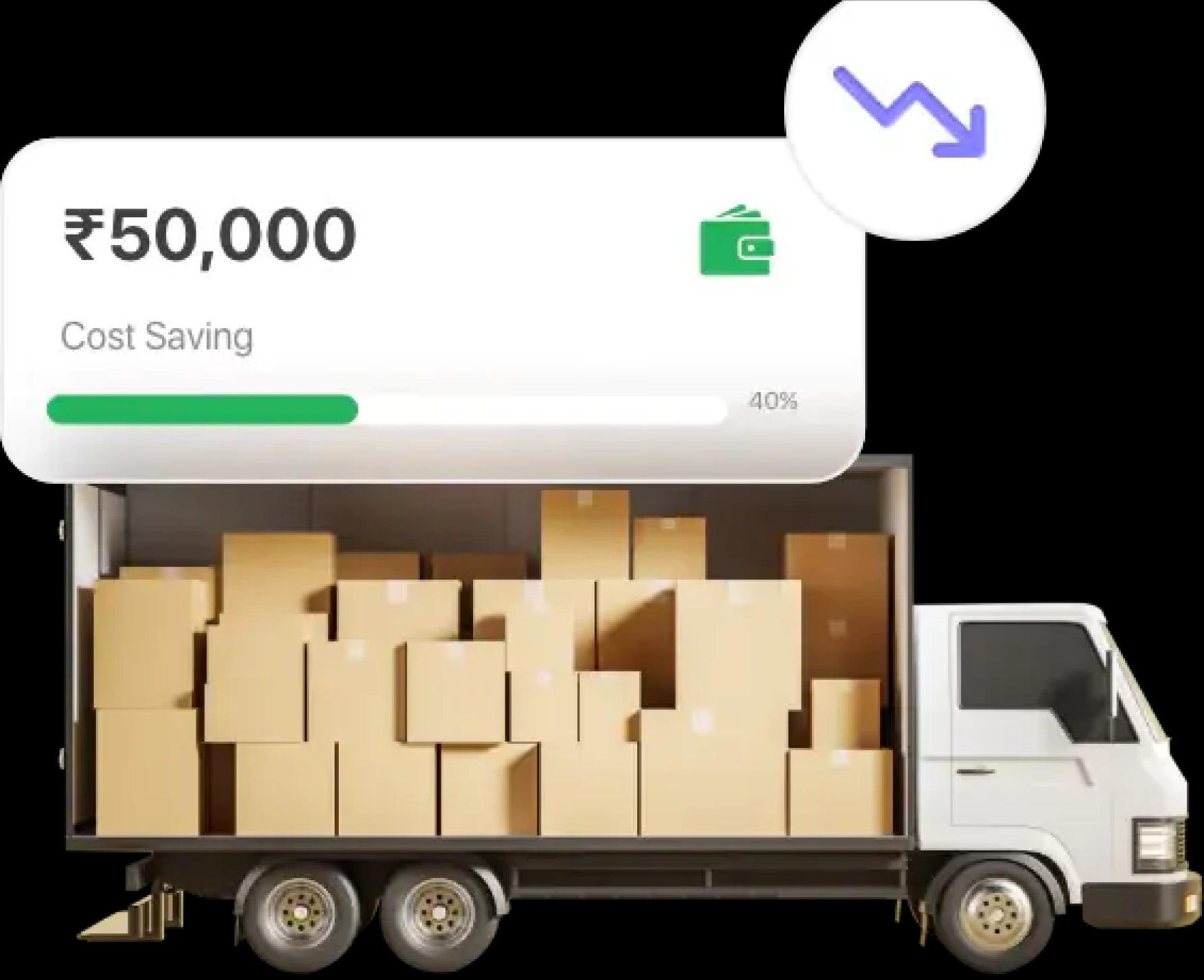
Managing Shipping Costs
Logistics expenses can become a major consideration for e-commerce businesses. If shipping costs are not managed carefully, they can reduce the profit earned from each order.
A courier aggregator can provide businesses with access to different shipping services, giving them the opportunity to evaluate available options according to their requirements.
Businesses can consider factors such as package weight, destination, delivery timeline, and applicable shipping charges. It is important to review the complete cost structure, including possible return charges and additional fees, instead of comparing only the basic shipping price.
Useful for Small Businesses
Small businesses often have limited teams and resources. Managing logistics manually can take time away from other important activities such as marketing, customer service, and product development.
A centralized shipping solution can help small online sellers organize their delivery operations without creating a complicated logistics process.
As the number of orders increases, having an established shipping workflow can make it easier to manage additional volume.
Supporting Large Shipment Volumes
Larger businesses face a different challenge. Instead of worrying about setting up shipping operations, they need systems capable of handling a high volume of orders efficiently.
A centralized shipping platform can help businesses manage a larger number of shipments through an organized workflow. It can also make tracking and delivery management easier for teams handling multiple orders simultaneously.
For businesses experiencing rapid growth, scalability should be an important consideration when selecting a logistics solution.
Managing Returns and Delivery Issues
Returns and failed deliveries can create additional operational work. Businesses need to keep track of returned packages, customer requests, and delivery exceptions.
A structured shipping process can help businesses organize these situations more efficiently. Having shipment information available in one place can make it easier to understand what happened to an order and determine the next step.
Efficient return management can also reduce customer frustration and help businesses maintain a more consistent post-purchase experience.
Choosing the Right Shipping Solution
Before selecting a shipping platform, businesses should understand their specific requirements. Order volume, delivery locations, product type, average package weight, return frequency, and budget can all influence the appropriate solution.
Businesses should also examine courier coverage, tracking capabilities, pricing, integrations, customer support, and platform usability.
It is better to choose a solution based on actual operational needs rather than selecting a platform simply because it offers a large number of shipping options.
Conclusion
Shipping management can become increasingly challenging as an e-commerce business expands. A centralized approach can help businesses organize their logistics activities, access multiple delivery options, monitor shipments, manage costs, and handle delivery issues more efficiently. With the right shipping workflow, businesses can reduce operational complexity while providing customers with a more organized delivery experience.

 English
 Arabic
 Spanish
 Portuguese
 Deutsch
 Turkish
 Dutch
Dutch
 Italiano
 Russian
 Romaian
 Portuguese (Brazil)
 Greek
Greek