


Why Do You Need a Professional Waterproofing Specialist?
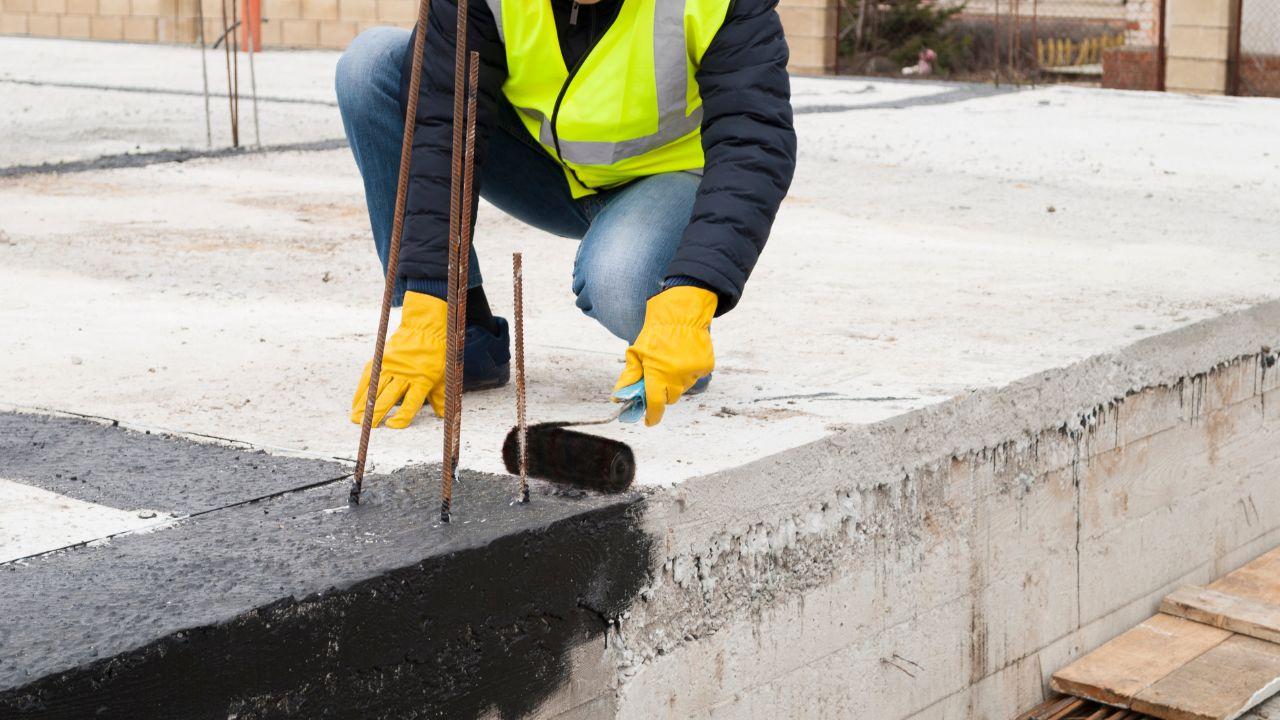
Water leakage can gradually damage walls, ceilings, roofs, and structural elements if it is not addressed properly. A waterproofing specialist can identify the source of moisture, recommend the right treatment, and apply suitable waterproofing systems. Professional work helps protect your property, reduce recurring repairs, and maintain a healthier, more durable building.
Understanding the Importance of Waterproofing
Waterproofing is more than simply covering a leaking area with a protective coating. A building can experience moisture intrusion through roofs, balconies, bathrooms, basements, external walls, concrete joints, and other vulnerable areas.
When water enters these spaces, it may initially appear as a small stain or damp patch. However, continuous exposure can create bigger problems over time.
Common consequences of untreated water leakage include:
-
Damp walls and ceilings
-
Peeling paint and damaged finishes
-
Mould and mildew growth
-
Concrete deterioration
-
Corrosion of reinforcement steel
-
Unpleasant indoor odours
-
Damage to furniture and interior materials
-
Recurring maintenance expenses
-
Reduced durability of building components
Professional waterproofing aims to address the underlying moisture problem rather than simply hiding its visible symptoms.
Why Professional Waterproofing Matters
Many property owners consider DIY solutions when they notice minor leakage. While temporary products may appear useful, they often do not address the actual source of water penetration.
A waterproofing specialist approaches the problem systematically. Instead of applying a generic coating immediately, professionals can examine the affected area, determine how moisture is entering, and select a treatment appropriate for the surface and building conditions.
This matters because different leakage problems require different solutions. A roof exposed to heavy rainfall, for example, may need a different waterproofing system from a basement affected by groundwater or a bathroom experiencing leakage around plumbing and joints.
Accurate Identification of Water Leakage
One of the biggest advantages of hiring professionals is proper diagnosis.
Finding the Actual Source
Water does not always appear at the point where it enters a building. Moisture can travel through concrete, masonry, cracks, joints, and other pathways before becoming visible.
For example, a ceiling stain may indicate a problem somewhere above it, but the exact entry point may be farther away. Simply sealing the visible stain could therefore result in the leakage returning.
A professional assessment focuses on identifying the actual pathway of water intrusion.
Assessing Surface and Structural Conditions
Before recommending a solution, professionals may examine factors such as:
-
Existing cracks
-
Concrete condition
-
Surface moisture
-
Drainage arrangements
-
Expansion and construction joints
-
Previous waterproofing treatments
-
Roof or balcony condition
-
Plumbing-related leakage
-
Areas where different materials meet
This assessment helps create a more suitable waterproofing strategy.
Choosing the Right Waterproofing System
There is no universal waterproofing method that works equally well for every property.
Depending on the application, professionals may work with different systems and materials, including liquid-applied membranes, cementitious waterproofing, protective coatings, sealants, and other specialized solutions.
Roof Waterproofing
Roofs receive constant exposure to rain, sunlight, temperature changes, and environmental conditions. Small cracks or weak points can eventually allow water to enter the building.
A professional roof waterproofing system considers the existing roof condition, drainage, surface preparation, joints, and expected exposure.
Basement Waterproofing
Basements can experience moisture from surrounding soil, groundwater, cracks, or construction joints. These problems may require specialized treatment because water pressure can be significant.
Professional waterproofing helps determine whether the appropriate solution should focus on the internal surface, external protection, drainage, joints, or a combination of methods.
Bathroom and Wet-Area Waterproofing
Bathrooms, kitchens, balconies, and other wet areas are especially vulnerable because they are frequently exposed to water.
Proper waterproofing in these locations can help prevent moisture from penetrating beneath tiles, into walls, or into adjacent rooms.
Concrete Waterproofing
Concrete is strong and durable, but it is not completely immune to water penetration. Cracks, pores, joints, and construction defects can create pathways for moisture.
A professional can assess these vulnerabilities and recommend an appropriate treatment based on the concrete's condition and the location of the problem.
Proper Surface Preparation Makes a Difference
Even a high-quality waterproofing material can perform poorly when applied to an unsuitable surface.
Surface preparation is one of the most important stages of professional waterproofing.
Depending on the situation, preparation may involve cleaning the surface, removing loose materials, repairing cracks, treating damaged areas, or ensuring that the substrate meets the requirements of the selected system.
If dirt, dust, damaged coatings, or unstable materials remain underneath the waterproofing layer, adhesion and long-term performance can be affected.
This is why professional installation is about more than purchasing an expensive waterproofing product. The preparation, application, detailing, and curing process all contribute to the final result.
Professional Application Reduces the Risk of Recurring Leakage
One of the most frustrating experiences for a property owner is repairing the same leak repeatedly.
A temporary repair may stop visible water for a short period, but if the underlying cause remains unresolved, the problem can return.
A professional approach considers the entire affected area rather than focusing only on the most obvious symptom. Professionals can also pay attention to vulnerable details such as corners, joints, penetrations, cracks, drainage points, and transitions between different surfaces.
This comprehensive approach can reduce the likelihood of recurring waterproofing problems.
Saving Money Through Preventive Waterproofing
Waterproofing should not always be viewed as an expense. It can also be considered a form of property maintenance and protection.
Small moisture problems can become considerably more expensive when they remain untreated.
For example, prolonged leakage could eventually require:
-
Removal of damaged finishes
-
Concrete or masonry repairs
-
Replacement of affected materials
-
Repainting
-
Mould remediation
-
Additional waterproofing work
By addressing moisture problems earlier, property owners may reduce the possibility of extensive secondary damage.
Preventive maintenance is generally easier to manage than major repairs after prolonged water exposure.
Improving Building Durability
Water can gradually affect construction materials. Persistent moisture may contribute to deterioration of finishes and, under certain conditions, damage concrete and contribute to corrosion of embedded reinforcement.
Professional waterproofing provides a protective barrier against unwanted water intrusion in vulnerable areas.
This is particularly important for commercial properties, residential buildings, industrial facilities, rooftops, underground structures, and other buildings where long-term durability matters.
Why Experience and Technical Knowledge Matter
Waterproofing requires more than knowing how to apply a coating.
An experienced waterproofing specialist understands that successful waterproofing depends on several factors, including the building's construction, surface condition, water source, environmental exposure, drainage, material compatibility, and application requirements.
Professionals can therefore help property owners avoid choosing a solution simply because it is popular or inexpensive.
Professional Assessment
A professional assessment can help answer important questions:
-
Where is the water coming from?
-
Is the problem caused by rainwater, groundwater, plumbing, or condensation?
-
Is there an existing waterproofing layer?
-
Are cracks contributing to the problem?
-
Is drainage adequate?
-
Which waterproofing system is suitable?
-
Does the surface require repairs before waterproofing?
Getting these questions answered before work begins can make the project more organized and effective.
The Role of Allseal Waterproofing PTE Ltd
When property owners are dealing with water leakage, choosing a company with relevant waterproofing experience can make the process easier.
Allseal Waterproofing PTE Ltd focuses on waterproofing solutions designed to address different types of building moisture and water intrusion concerns. A professional company can assess the affected area and recommend a solution based on the property's specific requirements instead of relying on a one-size-fits-all approach.
Working with an experienced waterproofing company can also provide a more structured process, from inspection and preparation through application and follow-up.
What to Expect From a Professional Waterproofing Service
Before hiring a contractor, it helps to understand what a professional process should generally involve.
1. Inspection
The first stage is identifying visible signs of water intrusion and examining potentially vulnerable areas.
2. Diagnosis
The contractor determines the likely source and pathway of the water problem.
3. Recommended Solution
Based on the site conditions, the contractor recommends suitable waterproofing materials and methods.
4. Surface Preparation
The affected area is cleaned, repaired, and prepared according to the requirements of the waterproofing system.
5. Waterproofing Application
The selected system is applied carefully, with particular attention to joints, corners, cracks, edges, and other vulnerable points.
6. Inspection and Maintenance
After completion, the work should be checked and maintained as necessary to help preserve long-term performance.
A clear process gives property owners a better understanding of what they are paying for and why each stage matters.
Questions to Ask Before Hiring a Waterproofing Company
Before starting a project, property owners should ask a few practical questions.
Consider asking:
-
What is causing the water leakage?
-
Which waterproofing system do you recommend?
-
Why is this system suitable for my property?
-
What surface preparation is required?
-
How will cracks and joints be treated?
-
What areas will be included in the work?
-
How long will the application take?
-
What maintenance may be required afterward?
-
What warranty or workmanship assurance is provided?
-
Are there additional costs that should be considered?
These questions can help you compare proposals based on the actual scope of work rather than simply comparing prices.
Common Mistakes Property Owners Should Avoid
Some waterproofing problems become worse because of incorrect repairs or poor preparation.
Covering the Visible Stain
Painting over a damp patch may improve its appearance temporarily, but it does not necessarily stop water from entering.
Using the Same Product Everywhere
Different surfaces and water problems have different requirements. A product that works well in one location may not be suitable for another.
Ignoring Cracks and Joints
Cracks and joints can become important pathways for water. They should be assessed rather than simply covered.
Delaying Repairs
A small leak may become more difficult and expensive to address if water continues to penetrate the structure.
Choosing Only by Price
The cheapest quotation does not necessarily provide the most suitable waterproofing solution. Materials, preparation, workmanship, scope, and long-term requirements should all be considered.
How to Maintain Waterproofing After Installation
Professional waterproofing is an important protective measure, but regular maintenance remains valuable.
Property owners should periodically check:
-
Roof drainage
-
Gutters and outlets
-
Visible cracks
-
Sealants around joints
-
Bathroom and wet-area surfaces
-
Basement walls
-
Balcony drainage
-
Areas showing dampness or staining
Keeping drainage systems clear is particularly important because standing water can increase stress on waterproofed surfaces.
If new dampness or leakage appears, it is better to investigate the issue early rather than allowing it to continue.
When Should You Call a Professional?
You should consider professional assistance when you notice persistent dampness, recurring leakage, unexplained ceiling stains, cracks associated with water intrusion, basement moisture, or repeated waterproofing failures.
Professional assessment is also worthwhile before waterproofing a newly constructed or renovated area, particularly where water exposure is expected.
Early professional advice can help identify potential vulnerabilities before they develop into larger problems.
Conclusion
Hiring a waterproofing specialist is about more than stopping a visible leak. Professional inspection, correct material selection, proper surface preparation, and skilled application can help protect your property from recurring moisture problems. Allseal Waterproofing PTE Ltd can help property owners approach waterproofing with a practical, long-term strategy.

 English
 Arabic
 French
 Spanish
 Portuguese
 Deutsch
 Turkish
 Dutch
Dutch
 Italiano
 Romaian
 Portuguese (Brazil)
 Greek
Greek