


What Makes Handwoven Dresses a Timeless Choice for Everyday Style?
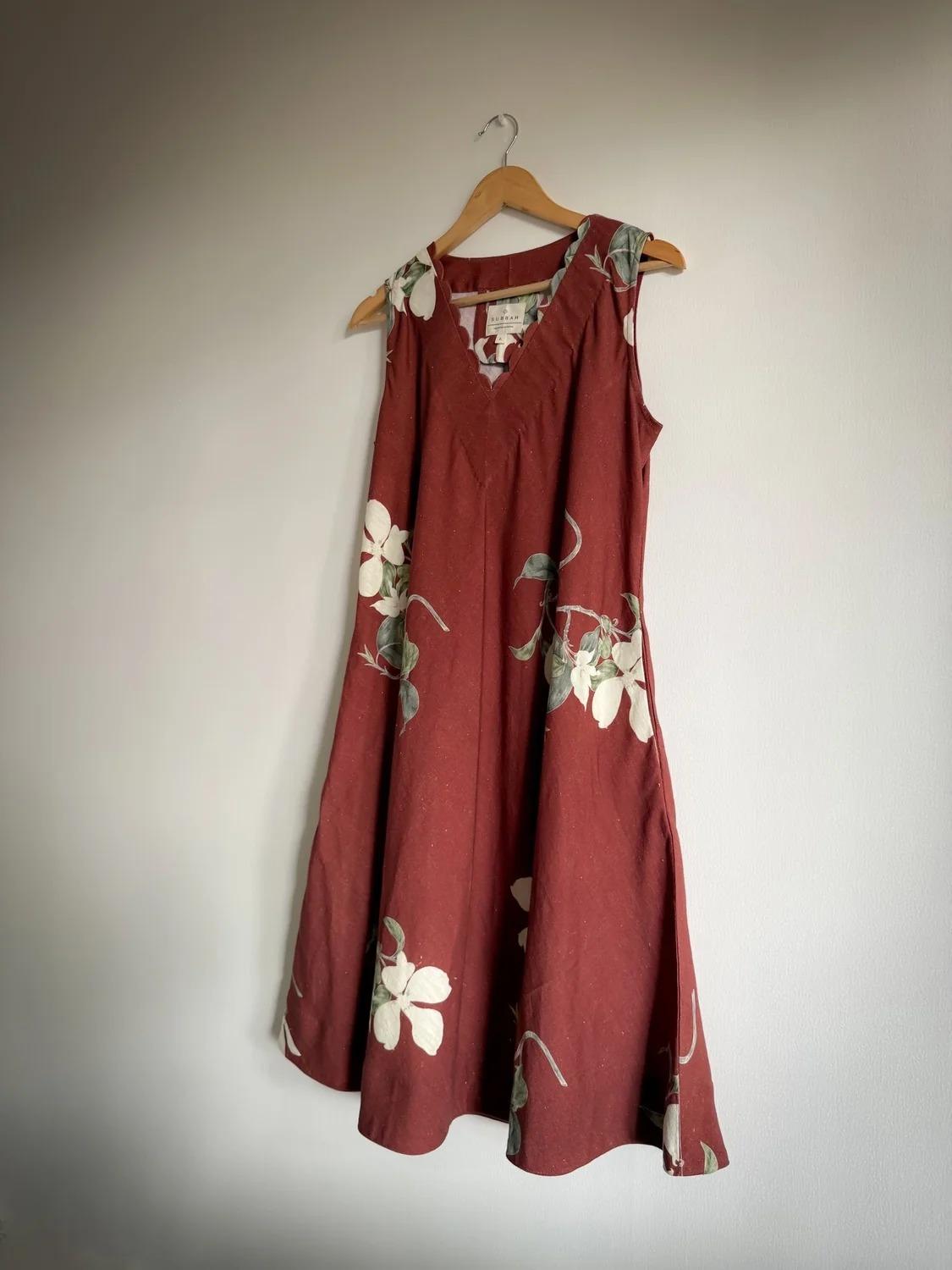
Handwoven dresses are garments made using fabrics created on traditional looms, where yarns are interlaced by hand rather than being produced entirely through automated textile machinery. Known for their distinctive textures, natural variations, and connection to traditional weaving practices, handwoven fabrics offer a different character from mass-produced textiles.
Today, handwoven dresses are being incorporated into contemporary wardrobes because they combine traditional textile techniques with modern silhouettes. They can be suitable for everyday wear, work settings, casual gatherings, and special occasions, depending on the fabric and design.
What Are Handwoven Dresses?
Handwoven dresses are made from textiles produced manually on a handloom. The process involves arranging warp yarns lengthwise and interlacing them with weft yarns to create fabric.
Because the process involves manual weaving, small variations in texture, weave density, or colour can occur. These characteristics are often considered part of the appeal of handwoven textiles rather than imperfections.
Different fibres can be used for handwoven fabrics, including cotton, silk, linen, and blends. The final appearance and feel of a dress depend on the fibre, weave structure, dyeing technique, and finishing process.
Why Are Handwoven Dresses Different?
One of the defining characteristics of handwoven dresses is their textile texture. Handloom fabrics can have subtle irregularities that give each garment a distinctive appearance.
The weaving process can also produce a range of patterns and surface effects. Depending on the technique, fabrics may feature stripes, checks, motifs, contrasting borders, or variations in texture.
Another important aspect is the connection between the fabric and traditional weaving communities. Handloom production has a long history across different regions, with individual areas developing their own weaving methods, fibres, motifs, and textile traditions.
Are Handwoven Dresses Comfortable to Wear?
Comfort depends on the fabric, construction, fit, and climate. Lightweight handwoven cotton, for example, can be a practical choice for warm weather because of its breathable nature.
Linen-based handwoven fabrics may also be suitable for warmer conditions, while silk and heavier textiles can provide a more structured appearance for occasions that call for dressier clothing.
The design of the dress matters as much as the material. A comfortable silhouette, appropriate lining, and well-finished seams can make a significant difference to how the garment feels throughout the day.
How Can You Style Handwoven Dresses?
Handwoven dresses can be styled in both traditional and contemporary ways. A simple dress can be paired with understated jewellery and flats for an everyday appearance.
For a more formal setting, accessories such as statement earrings, structured bags, or dressier footwear can create a more refined look without taking attention away from the textile.
Handwoven dresses can also be layered with lightweight jackets, scarves, or shawls depending on the season. Keeping accessories relatively simple can allow distinctive weaving details and fabric textures to remain the focal point.
How Does Subbah Studio Approach Handwoven Clothing?
Brands such as Subbah Studio are part of the contemporary fashion landscape where traditional textile techniques can be presented through modern clothing designs. When exploring handwoven collections, it is useful to look beyond appearance and consider factors such as fabric origin, weaving technique, construction, comfort, and care requirements.
This approach helps shoppers understand the value and characteristics of a textile rather than viewing handwoven clothing simply as a seasonal fashion trend.

 English
 Arabic
 French
 Spanish
 Portuguese
 Deutsch
 Turkish
 Dutch
Dutch
 Italiano
 Russian
 Romaian
 Portuguese (Brazil)