


What Happens After Surgery for a Shoulder Dislocation?
Shoulder dislocation surgery marks the beginning of recovery. Understanding what follows helps patients feel prepared. Recovery involves distinct stages and considerations. This article explains what typically happens afterward.
The Immediate Post-Surgical Period
Pain management begins right after surgical treatment. Medical staff monitor recovery closely during this time. Patients often stay briefly for observation initially. Swelling and discomfort are common immediately afterward. These symptoms typically improve within the first days.
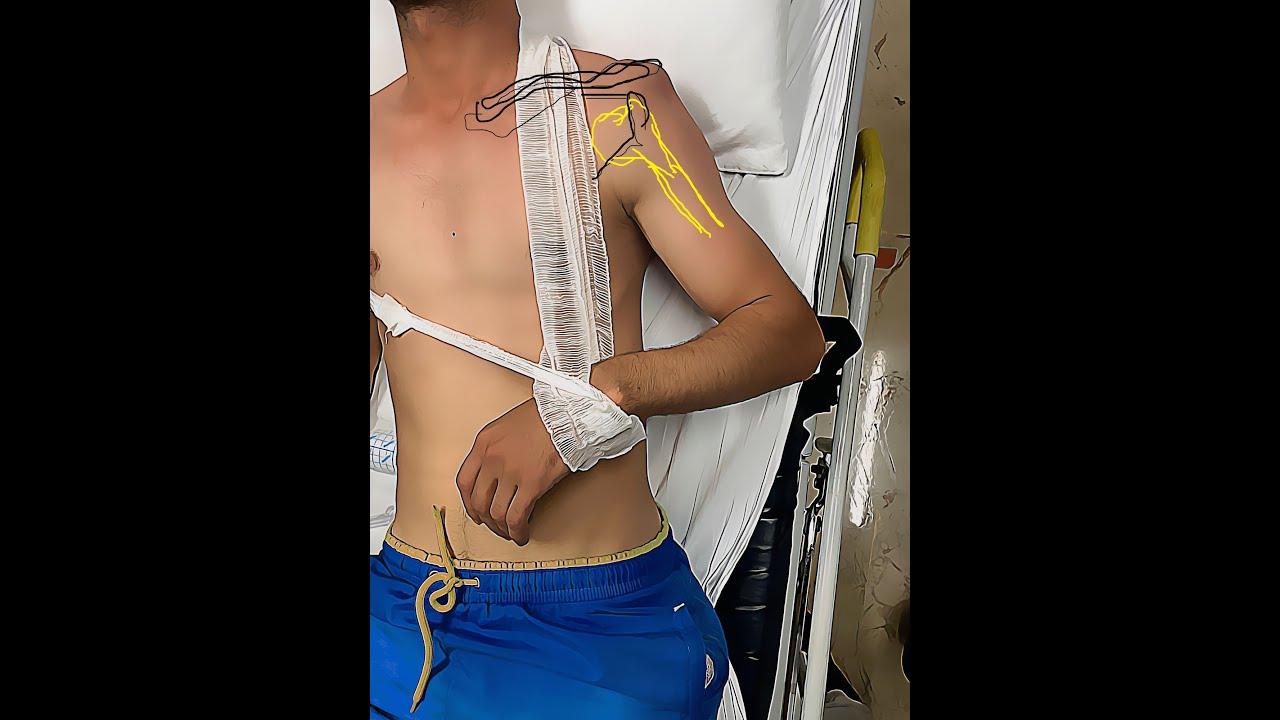
A sling usually supports the joint immediately after surgery.
Understanding Immobilization After Surgery
Immobilization protects surgical repair during initial healing. Duration depends on the specific procedure performed. Doctors provide detailed guidance for this period. Following instructions closely protects surgical outcomes significantly. Premature movement can risk compromising the repair.
Slings are typically worn for several weeks initially.
Starting Physical Therapy Post-Surgery
Physical therapy usually begins within a few weeks. Early exercises focus on gentle, controlled movement. Therapists carefully monitor healing during each session. Progress depends on individual surgical outcomes significantly. Consistency supports better long-term recovery results.
Passive range-of-motion exercises often start the rehabilitation process.
Building Strength After Surgical Repair
Strength training increases gradually over several months. Resistance exercises target surrounding shoulder muscles specifically. Overexertion during this phase can compromise healing. Therapists adjust programs based on surgical recovery progress. Patience remains essential throughout this extended process.
Light resistance work typically begins several weeks post-surgery.
Managing Pain During Post-Surgical Recovery
Pain levels typically decrease gradually over weeks. Medication needs often reduce as healing progresses. Ice therapy helps manage swelling effectively early. Communicating pain levels supports proper treatment adjustments. Doctors distinguish between normal and concerning pain patterns.
Some discomfort during physical therapy sessions remains normal.
Understanding Surgical Recovery Timelines
Recovery timelines vary based on procedure complexity significantly. Arthroscopic procedures often allow somewhat faster initial recovery. Open surgical procedures may require longer healing periods. Doctors provide personalized timelines for each patient. Understanding these differences sets realistic expectations.
Full recovery may take several months to complete.
Sport-Specific Rehabilitation Considerations
Athletes eventually progress to sport-specific rehabilitation exercises. This phase mimics movements required for their sport. Coaches often collaborate with therapists during this stage. Gradual progression reduces reinjury risk significantly. Timing depends on individual healing and sport demands.
Contact sport athletes typically require longer rehabilitation timelines overall.
Considering Related Treatment Options
Some patients also explore options beyond initial surgery. Discussing shoulder replacement surgery may arise for severe joint damage. Doctors consider all relevant pathways during evaluation. This ensures comprehensive treatment planning throughout the process.
Understanding related options helps patients feel fully informed.
Nutrition Supporting Surgical Recovery
Protein supports tissue repair following surgical treatment. Anti-inflammatory foods may reduce swelling naturally. Proper hydration also supports overall healing process. A balanced diet contributes to steady recovery progress. Nutrition plays a meaningful supporting role throughout.
Vitamin-rich foods further support post-surgical tissue repair effectively.
Preventing Complications After Surgery
Stiffness can develop without consistent rehabilitation exercises. Infection risk requires careful wound monitoring initially. Following post-surgical instructions prevents most complications effectively. Prompt attention to unusual symptoms matters significantly. Communication with your surgical team remains important throughout.
Reporting increased pain or swelling promptly helps prevent problems.
Emotional Aspects of Surgical Recovery
Recovery can feel emotionally challenging after surgery. Frustration with slow progress remains fairly common. Support from family and friends helps significantly. Setting realistic goals maintains motivation throughout recovery. Emotional wellbeing supports overall healing success considerably.
Connecting with others who had similar surgery helps.
Gradual Return to Daily Activities
Activity typically increases gradually following surgical recovery. Light tasks often return within several weeks. More strenuous activities require longer waiting periods. Doctors provide clear guidance for safe return. Following instructions closely protects surgical outcomes long-term.
Driving usually resumes once strength and control return sufficiently.
Long-Term Outcomes After Surgery
Most patients achieve significant stability improvement afterward. Reduced dislocation risk supports confident, active living. Regular monitoring helps track long-term joint health. Staying proactive protects surgical investment significantly. Most patients report satisfying long-term outcomes overall.
Continued strength maintenance supports lasting surgical benefits over time.
Monitoring Progress Through Follow-Up Care
Regular follow-up appointments track surgical healing progress. These visits allow timely adjustments if needed. Doctors monitor for any concerning symptoms carefully. Open communication supports better recovery outcomes overall. Consistent follow-up remains important throughout the process.
Imaging may be repeated during certain follow-up visits.
Final Thoughts
Recovery after shoulder dislocation surgery follows a structured path. Understanding each stage reduces uncertainty significantly. Following medical guidance supports the best possible outcomes. Patience and consistency lead to lasting improvement. Most patients regain strong, stable shoulder function eventually.

 English
 Arabic
 French
 Spanish
 Portuguese
 Deutsch
 Turkish
 Dutch
Dutch
 Italiano
 Romaian
 Portuguese (Brazil)
 Greek
Greek