


Why Is Rehabilitation Important for Returning to Sports?
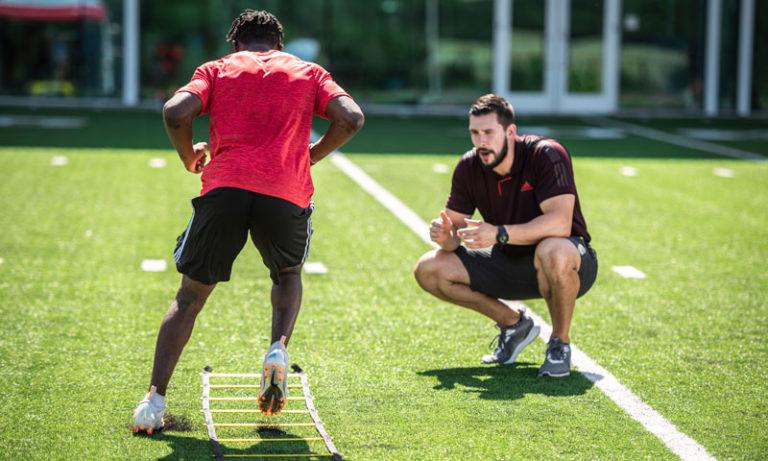
Returning to sport after injury is one of the most consequential decisions an athlete makes. The timing, process, and completeness of rehabilitation determine whether this return is successful. Many athletes underestimate the importance of formal rehabilitation and pay the price with re-injury. Understanding why proper rehabilitation is essential changes how athletes approach recovery. It shifts the perspective from passive waiting to active preparation for return.
The Biological Reality of Tissue Healing
Tissue healing is a biological process that follows a predictable timeline. This timeline cannot be meaningfully accelerated beyond its natural bounds. However, it can be optimized through appropriate loading and professional guidance. Understanding the stages of healing helps athletes appreciate why rehabilitation takes the time it does.
The Three Phases of Tissue Repair
The inflammatory phase immediately follows injury and lasts three to five days. Pain and swelling are the hallmarks of this protective and necessary response. Relative rest and pain management are appropriate during this early phase. Gentle movement within pain-free ranges is often beneficial even during inflammation.
The proliferative phase spans from several days to approximately six weeks. New collagen is laid down to repair the damaged structure during this phase. The quality of this collagen depends on the mechanical environment during formation. Controlled loading of healing tissue produces better organized and stronger collagen. Exercise prescribed by a physiotherapist creates exactly this beneficial mechanical environment.
The remodeling phase can extend for twelve months or longer in major injuries. Collagen continues to reorganize and strengthen under mechanical demand during this period. Progressive loading through sport-specific rehabilitation stimulates optimal tissue remodeling. Athletes who continue structured loading through this phase achieve superior tissue strength and durability.
Why Athletes Feel Ready Before They Are
Athletes are accustomed to pushing through discomfort and trusting their bodies. This mental toughness is valuable for sport performance but problematic for injury management. Tissue that has completed the inflammatory and early proliferative phases often feels much better. Pain reduction creates a subjective sense of readiness that may not reflect tissue strength.
Strength, power, and neuromuscular coordination remain significantly below pre-injury levels despite reduced pain. Returning to full sport demands on tissue that has not been progressively loaded risks re-injury. The re-injury often occurs because the tissue cannot withstand the forces encountered in sport. Objective functional testing rather than subjective pain assessment determines true readiness.
The Specific Goals of Sports Rehabilitation
Sports rehabilitation has goals that are more demanding than general injury rehabilitation. Pain elimination and basic functional restoration are just the beginning. Athletes must achieve sport-specific levels of strength, power, speed, and coordination. Rehabilitation programs designed for athletes reflect these higher demands.
Restoring Strength to Pre-Injury Levels
Strength deficits following injury are significant and predictable. A limb that has been protected and rested loses strength rapidly. Physiotherapy must rebuild this strength systematically before sport return. Strength testing using dynamometry provides objective measurements of symmetry between limbs.
Most return-to-sport criteria require achieving at least ninety percent limb symmetry. Research suggests even higher thresholds may be appropriate for certain injury types. Heavy resistance training in the late rehabilitation phase builds the strength required. This training must be progressive and appropriate to the healing stage throughout.
Neuromuscular Control and Proprioceptive Restoration
Injury disrupts the proprioceptive receptors within joints and surrounding tissues. These receptors provide the brain with information about joint position and movement. Disrupted proprioception impairs balance, coordination, and the automatic muscle responses that protect joints. Restoring proprioceptive function is essential for safe return to sport.
Balance training, perturbation training, and reactive exercises retrain the neuromuscular system. These exercises begin simply and progress to complex, sport-relevant conditions. Athletes who demonstrate good neuromuscular control in testing conditions show better sport performance. Proprioceptive deficits that are not addressed become significant risk factors for re-injury.
Connecting with skilled sports physiotherapy edmonton practitioners provides the expertise that athletes require for complete return. These specialists understand the physical demands of sport and design rehabilitation accordingly. They use sport-specific functional tests to objectively measure return-to-sport readiness. Edmonton athletes who work with sports physiotherapy specialists consistently achieve more complete and safer returns to competition.
Sport-Specific Conditioning in Late Rehabilitation
The final stage of sports rehabilitation is about sport-specific preparation. Generic strength and balance training gives way to movements that mirror the sport's demands. This specificity ensures that rehabilitation has genuinely prepared the athlete for competition.
Progressive Running Protocols for Field Sports
Athletes from field sports including soccer, football, and hockey require running conditioning. Return-to-running programs progress from walking to jogging to running to sprinting. Direction changes, acceleration, and deceleration are introduced as capacity improves. Each stage is contingent on achieving the preceding stage without symptoms.
These protocols are not arbitrary timelines but evidence-based progressions. They ensure the Achilles tendon, knee, and hip structures are adequately prepared. Returning to running before adequate soft tissue tolerance results in recurrent overuse injuries. Athletes who follow structured running progressions return to full speed with significantly reduced risk.
Contact and Collision Preparation for Contact Sports
Contact sports require specific preparation beyond running and conditioning. Controlled contact exposure is introduced in training before return to competition. Starting with light contact in controlled practice scenarios builds both physical and psychological readiness. Full contact in practice follows before clearance for match participation.
This graduated exposure to contact reflects the demands the athlete will face in competition. It also allows the physiotherapist to observe the athlete under sport-like conditions. Any remaining movement restrictions or compensations become apparent during these observations. Final adjustments to the rehabilitation program can be made based on these observations.
Return-to-Sport Criteria and Decision-Making
Return-to-sport decisions should never be based on time alone or on pain resolution alone. Objective functional criteria must be established and met before clearance is granted. These criteria reflect the specific demands of the sport and the nature of the injury.
Functional Testing Battery for Return Clearance
A functional testing battery assesses multiple performance dimensions simultaneously. Hop tests evaluate limb power, symmetry, and landing mechanics. Change of direction tests assess agility and the ability to control deceleration forces. Reactive strength testing measures the tendon's ability to store and release elastic energy.
Each test has established normative values and clinical thresholds. Athletes must meet or exceed these thresholds across the entire battery. Passing some tests while failing others suggests specific deficits requiring further attention. A comprehensive pass across all measures provides the most complete readiness assessment.
Psychological Readiness as a Return-to-Sport Factor
Physical readiness alone does not ensure successful sport return. Psychological readiness must also be assessed and confirmed before clearance. Fear of re-injury significantly increases actual re-injury risk through altered movement patterns. Athletes who return fearful tend to avoid full commitment and change their movement mechanics protectively.
The Injury-Psychological Readiness to Return to Sport scale quantifies psychological readiness. Athletes scoring below established thresholds benefit from additional psychological preparation. Sports psychologists, counselors, and experienced physiotherapists all support this readiness. Ensuring both physical and psychological readiness produces the safest and most successful sport returns.
Long-Term Injury Prevention After Returning to Sport
Returning to sport is not the end of the rehabilitation journey. The months following return carry elevated re-injury risk that requires active management. Implementing a structured injury prevention program protects the investment made during rehabilitation.
Maintaining the strength gains from rehabilitation is the most critical protective factor. Continuing a modified strength program during sport seasons prevents the strength drops that increase vulnerability. Regular monitoring by a sports physiotherapist identifies any new developing issues before they become injuries. Edmonton athletes who prioritize post-return monitoring and maintenance achieve longer and more successful competitive careers.

 English
 Arabic
 Spanish
 Portuguese
 Deutsch
 Turkish
 Dutch
Dutch
 Italiano
 Russian
 Romaian
 Portuguese (Brazil)
 Greek
Greek