


How Can You Support Recovery After a Broken Bone?
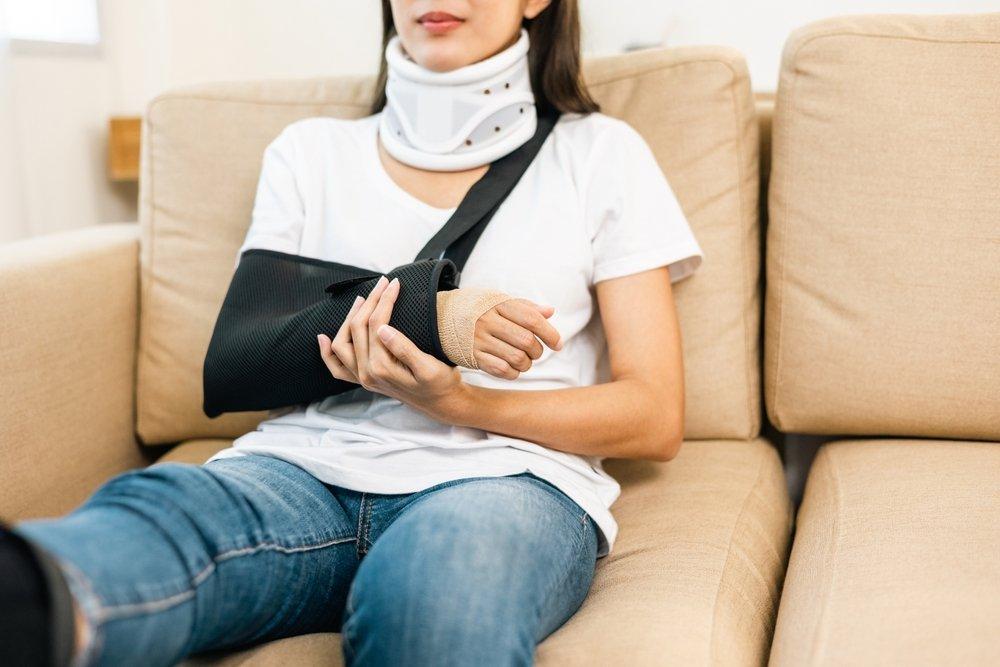
Breaking a bone is a painful and often disruptive event in daily life. Recovery demands both patience and active, informed participation from patients. The choices made throughout recovery significantly influence healing speed and quality. Many patients are unaware of how much they can do to help themselves. There are evidence-based strategies that meaningfully accelerate the healing process. This guide covers the most effective ways to support your own recovery after a broken bone. Each strategy is grounded in clinical evidence and practical experience.
Get Accurate Diagnosis and Appropriate Initial Care
Every successful recovery begins with accurate diagnosis and appropriate initial management. Seeking immediate medical evaluation after any suspected fracture is essential. Delayed diagnosis allows fractures to worsen and complications to develop over time. X-rays confirm most fractures and establish initial management direction clearly. CT scans provide additional detail for complex fracture patterns when needed. Proper fracture reduction restores the alignment essential for efficient and effective healing. Well-fitted immobilization then prevents disruptive movement during the critical early healing phase.
Choosing an experienced orthopedic care team improves the quality of initial treatment. Accurate fracture classification guides selection of the most appropriate management approach. Some fractures require surgical fixation for stable healing to occur. Others heal well with conservative immobilization and careful monitoring alone. This critical distinction matters enormously for recovery speed and final quality. Investing in excellent initial care accelerates everything that follows throughout recovery. Do not delay seeking care because you are uncertain if the bone is actually broken.
Understanding Your Specific Fracture Type
Different fracture types have different healing requirements and expected timelines. Stable non-displaced fractures often heal well with conservative management. Displaced or unstable fractures typically need more aggressive intervention. Comminuted fractures with multiple fragments require more time and support. Stress fractures need activity modification alongside targeted nutritional support. Understanding your specific fracture type helps you set realistic expectations. Ask your physician to explain your fracture classification and its implications clearly.
Follow All Immobilization Instructions Without Exception
Immobilization devices protect the fragile early healing tissue from disruptive forces. Instructions about these devices exist for important evidence-based clinical reasons. Removing or modifying casts or braces prematurely carries significant risk. The soft callus forming inside is vulnerable to disruption by unexpected movement. Disrupted callus formation leads directly to delayed union or nonunion development. Following every immobilization instruction precisely protects the entire healing timeline effectively. Attend every scheduled cast-check and clinical appointment without exception.
Activity restrictions deserve equal adherence alongside immobilization instructions. Premature return to strenuous work, sports, or heavy lifting risks serious setbacks. Feeling better does not mean bone has fully healed to safe loading strength. Only physician clearance supported by imaging evidence should guide activity resumption. Patient-perceived comfort levels alone are not reliable indicators of bone strength. This disciplined approach prevents the costly setbacks that significantly extend overall recovery.
Optimize Your Nutrition to Fuel Bone Repair
Nutrition is one of the most powerful tools available for supporting recovery. Bone tissue requires specific nutrients in generous amounts for effective repair. Calcium is the primary mineral that forms the structural matrix of bone. Adults require between 1000 and 1200 milligrams of calcium each day. Dairy products, fortified plant milks, and leafy greens supply calcium reliably. Vitamin D is equally essential for calcium absorption from dietary sources. Many patients are unknowingly deficient in vitamin D at the time of fracture.
Protein provides amino acids that osteoblasts use to build collagen matrix. Increasing protein intake during recovery directly supports faster bone matrix formation. Lean meats, eggs, Greek yogurt, and legumes are excellent protein sources. Vitamin C is required for proper hydroxylation in collagen synthesis pathways. Citrus fruits, bell peppers, and strawberries provide abundant vitamin C daily. Zinc activates enzymes critical to bone matrix production and mineralization. Magnesium supports hundreds of enzymatic reactions in bone metabolism throughout healing.
Foods and Behaviors to Reduce During Recovery
Smoking is the most damaging single behavior during bone healing recovery. Nicotine restricts blood supply to healing bone and impairs osteoblast function. Carbon monoxide further reduces oxygen delivery to repair cells at the fracture. Quitting smoking during recovery measurably improves healing outcomes and speed. Alcohol impairs calcium absorption and directly inhibits osteoblast cellular activity. Reducing alcohol intake protects the biological healing environment substantially. Processed foods high in sodium displace nutrient-dense foods from the diet. These dietary improvements create more favorable internal conditions for bone repair.
Engage Consistently and Fully With Physical Rehabilitation
Physical therapy is essential for achieving complete and durable functional recovery. A healed bone alone does not restore strength, mobility, and movement quality. Muscles weaken significantly during even brief immobilization and activity restriction periods. Joint capsules stiffen when held in fixed positions throughout the healing period. Proprioception diminishes without regular movement challenging the balance system. These secondary deficits require active, targeted rehabilitation to reverse completely and safely. Patients who skip or minimize physical therapy experience lasting functional limitations.
Committing to consistent attendance at all therapy sessions produces the best outcomes. Home exercise programs between clinic sessions require the same daily consistency. Communicating any barriers to attendance allows therapists to find practical solutions. Understanding that rehabilitation is an integral part of treatment motivates better engagement. Physical therapy transforms bone healing from a passive wait into an active recovery process. The effort invested in rehabilitation directly determines the quality of final functional recovery.
Use Adjunctive Technology to Accelerate Your Recovery
Modern medical technology offers powerful tools for accelerating fracture healing. Stimulation devices actively enhance the biological repair process at the cellular level. These devices are prescribed by physicians and cleared by regulatory agencies. They complement conventional treatment without replacing immobilization or rehabilitation. Most devices require only brief daily treatment sessions that fit into normal routines.
Among the most effective options for home use is fracture treatment technology incorporating bone stimulation. These prescribed devices deliver targeted energy to the fracture site to activate healing cells. Osteoblast activity, growth factor expression, and angiogenesis all increase with consistent use. Clinical trials demonstrate measurably faster fracture union in treated patients. Discussing stimulation devices with your physician early in recovery is worthwhile. Insurance coverage for prescribed devices is increasingly available through major providers. The combination of device therapy and comprehensive care produces optimal recovery results.
Maintaining Daily Compliance With Prescribed Devices
Device therapy only provides benefit when used consistently every day. Missing sessions reduces the cumulative biological stimulus delivered to the fracture. Building device use into a fixed daily routine prevents forgotten sessions easily. Morning treatment during breakfast or evening treatment before bed works well. Digital compliance tracking in modern devices records adherence automatically. Physicians review this data to identify and address compliance gaps promptly. Consistent daily compliance is the most important factor for achieving device benefit.
Prioritize Sleep and Manage Psychological Well-Being
Sleep is a critical and often overlooked component of fracture recovery support. Growth hormone essential for tissue regeneration is released primarily during deep sleep. Insufficient sleep reduces this important biological healing support substantially. Addressing pain effectively before bedtime significantly improves sleep quality. Positioning aids and supportive pillows improve comfort for sleeping with a fracture. A consistent sleep schedule regulates the hormonal environment supporting all healing processes. Seven to nine hours of quality sleep nightly is a meaningful recovery investment.
Psychological well-being profoundly influences physical recovery in fracture patients. Anxiety and depression reduce rehabilitation engagement and overall treatment compliance. Fear of re-injury causes patients to avoid movements essential for full functional recovery. Chronic stress elevates cortisol levels that directly suppress bone-forming cellular activity. Mindfulness practices and cognitive behavioral strategies effectively address these concerns. Family and social support networks buffer the psychological burden of extended recovery. Proactive mental health care alongside physical care produces the most complete recovery.
Recognize and Report Warning Signs Promptly
Some symptoms during recovery warrant prompt medical evaluation rather than waiting. Increasing pain after initial improvement is a potential sign of developing complication. New numbness, tingling, or weakness may indicate nerve compression requiring attention. Significant swelling or redness at the fracture site could signal developing infection. Fever during any recovery phase should never be attributed to normal healing. Each of these symptoms warrants immediate contact with the healthcare team.
Early reporting of warning signs allows prompt intervention before problems escalate. Most complications are far more manageable when identified and treated early. Infections caught early respond well to antibiotic therapy without major surgery. Hardware complications identified promptly allow simpler interventional solutions. Patients should feel fully empowered to contact their care team about any concern. Erring on the side of caution never causes harm and often prevents significant complications. This vigilance is an important expression of active participation in recovery.
Supporting recovery after a broken bone requires comprehensive, sustained effort. Accurate initial care, immobilization compliance, nutrition, and physical therapy form the foundation. Adjunctive technology, adequate sleep, and psychological support provide meaningful additional benefit. Warning sign recognition and consistent follow-up attendance protect healing throughout. Patients who embrace all of these strategies consistently achieve faster and more complete recovery. Every informed decision you make during recovery directly contributes to better healing outcomes. Your active participation is among the most powerful forces driving your own recovery forward.

 English
 Arabic
 French
 Spanish
 Portuguese
 Deutsch
 Turkish
 Dutch
Dutch
 Italiano
 Romaian
 Portuguese (Brazil)
 Greek
Greek