


How Technology May Support Exercise for Older Adults
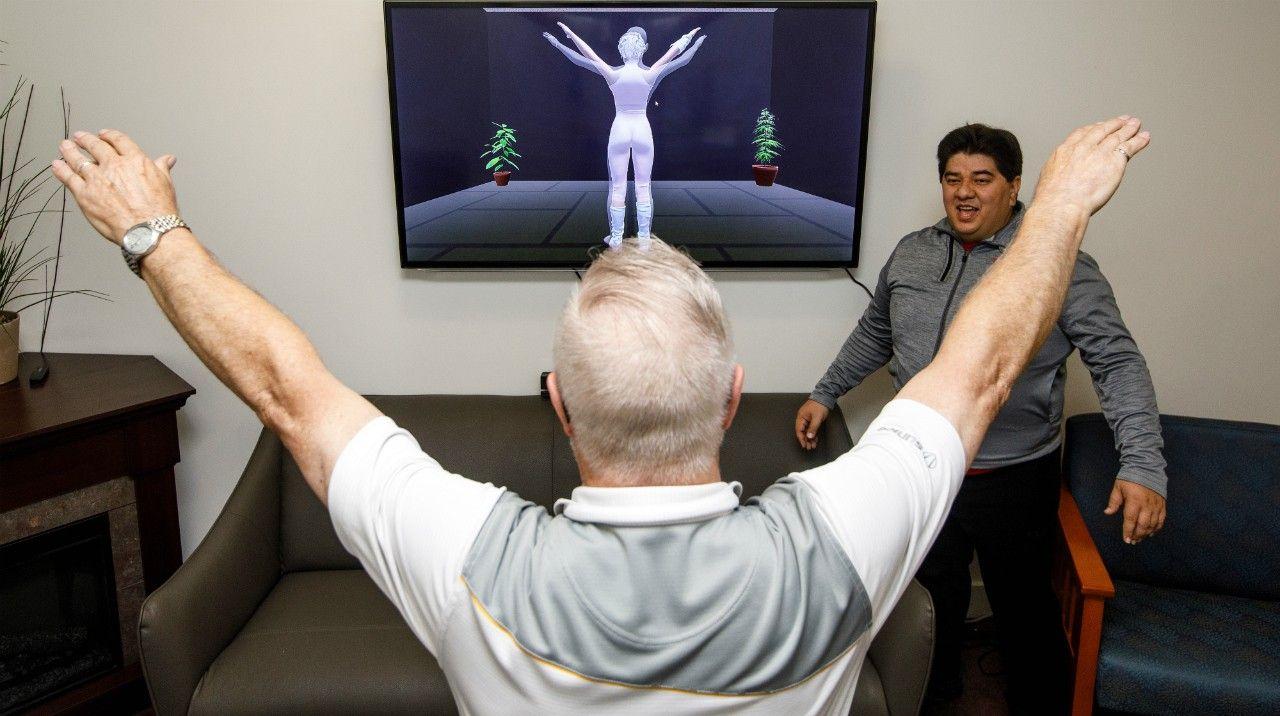
Exercise is universally recognized as one of the most powerful tools for healthy aging. It supports bone density, muscle strength, cardiovascular health, and mental wellbeing simultaneously. Yet many older adults face significant barriers to maintaining consistent exercise participation. Joint pain, fatigue, mobility limitations, and fear of injury all reduce exercise engagement. Technology is increasingly playing a role in addressing these barriers directly. From digital coaching platforms to physical stimulation devices, options are expanding meaningfully. This article explores how technology may support exercise for older adults and what the evidence suggests.
The Exercise Challenge for Aging Populations
Physical activity declines substantially with advancing age across most populations globally. By age 65, many adults fail to meet minimum recommended physical activity guidelines. Multiple barriers contribute to this widespread pattern of declining activity. Osteoarthritis causes joint pain that makes many conventional exercises painful or dangerous. Post-surgical restrictions limit weight-bearing activity during critical recovery periods. Chronic conditions including heart failure, COPD, and diabetes reduce exercise tolerance significantly. Fear of falling makes balance-challenging activities anxiety-provoking for many older individuals. Social isolation removes the motivational benefit of group exercise environments. Transportation limitations restrict access to gym facilities and structured exercise classes. These barriers collectively create a significant exercise deficit in aging populations with serious health consequences.
Why Exercise Remains Critical Despite These Barriers
Despite the many barriers older adults face, exercise remains absolutely essential. Resistance training is the most effective intervention available for combating sarcopenia. Weight-bearing activity is the most powerful stimulus for maintaining bone mineral density. Cardiovascular exercise supports heart and lung health, metabolic function, and cognitive vitality. Balance training specifically reduces fall risk in ways that no other intervention fully replicates. Social exercise environments provide psychological benefits that compound physical health gains. Even modest increases in physical activity produce meaningful health improvements in older adults. The challenge is therefore not whether exercise is important but how to make it more accessible. Technology is emerging as an important part of the answer to this accessibility challenge.
Digital Exercise Guidance and Coaching Technology
Digital platforms have transformed how exercise guidance is delivered to older adults. Online exercise programs offer structured, professionally designed routines accessible at home. Video-guided sessions provide visual demonstrations that clarify proper form and technique. This visual guidance reduces uncertainty for older adults unfamiliar with specific exercises. Many platforms offer programs specifically designed for older adults and their unique needs. These programs emphasize low-impact, joint-friendly movements appropriate for common limitations. Adaptive difficulty settings allow programs to match individual fitness and capacity levels. Tracking features log session completion and progress over time automatically. This progress visibility reinforces motivation and accountability for consistent participation. Digital coaching platforms have meaningfully expanded exercise access for many older adults.
Telehealth and Remote Physiotherapy Exercise Support
Telehealth services have extended professional exercise guidance beyond traditional clinic boundaries. Physiotherapists can now design and supervise individualized exercise programs remotely. Video consultations allow proper form assessment and technique correction from home. This remote oversight dramatically expands access for older adults with transportation limitations. Rural and mobility-impaired patients can now receive expert exercise guidance regularly. Telehealth also allows more frequent touchpoints than in-person appointments typically permit. Regular check-ins maintain motivation and allow faster response to emerging problems. Remote monitoring of wearable device data provides physiotherapists with real-time patient activity information. Exercise prescriptions can be adjusted based on this continuous data stream more responsively. Telehealth has made physiotherapy exercise support genuinely accessible for a much broader population.
How Vibration Technology Supports Exercise in Older Adults
Vibration technology offers a unique and complementary form of exercise support for older adults. Whole-body vibration platforms provide passive mechanical muscle stimulation without demanding voluntary effort. The tonic vibration reflex produces involuntary muscle contractions during each platform session. These contractions engage motor units that ordinary daily activities and even some exercise forms miss. Regular activation of these units prevents the disuse atrophy that accelerates sarcopenic decline. This passive stimulation is particularly valuable when voluntary exercise capacity is genuinely limited. It essentially provides a therapeutic exercise stimulus to those who cannot achieve it voluntarily. Performing light exercises on vibration platforms simultaneously amplifies the training effect. Squats and calf raises on a vibrating surface recruit more motor units than on stable ground. This amplification allows meaningful muscle stimulation at lower and joint-safer absolute loads.
The sarcopenia treatment device category includes vibration platforms specifically designed to address age-related muscle decline. These devices provide precisely calibrated mechanical stimulation aligned with research-validated therapeutic parameters. Home-based designs allow daily therapeutic use that clinic visits cannot practically replicate. Healthcare providers increasingly integrate them into comprehensive exercise support programs for older adults. Regular use alongside other exercise forms creates a more complete and effective overall program.
Wearable Technology and Its Role in Exercise Support
Wearable technology plays an increasingly important role in supporting older adult exercise. Fitness trackers provide real-time data on activity levels, heart rate, and steps taken. This awareness motivates older adults to increase daily movement and activity meaningfully. Step count goals create simple, daily measurable targets that support exercise habit formation. Heart rate monitoring supports safe intensity management during cardiovascular exercise sessions. Fall detection features in some wearables provide safety reassurance for anxious exercisers. This reassurance may encourage older adults to engage in more physical activity confidently. Sleep tracking reveals recovery quality that influences appropriate exercise intensity decisions. Wearable data shared with healthcare providers enriches clinical conversations and exercise prescription decisions. The objective data from wearables transforms vague activity awareness into specific, actionable information.
Smart Balance and Stability Training Devices
Balance training is particularly important for fall prevention in older adult populations. Smart balance training devices provide interactive platforms that challenge postural stability safely. These devices often include biofeedback features that display postural data in real time. Immediate postural feedback allows users to make corrections during balance exercises. Gamification elements make balance training more engaging and motivating for many users. Progressive difficulty settings ensure continued challenge as balance improves over time. Some devices pair with app-based programs that track balance performance metrics. This longitudinal tracking helps users and providers evaluate balance improvement over weeks. Balance technology used consistently alongside strength and vibration training produces comprehensive fall prevention. This multi-modality approach reflects best practices in modern fall prevention programming for older adults.
Technology Supporting Exercise Adherence and Motivation
Exercise adherence is the most important determinant of long-term physical health outcomes. Technology offers numerous tools specifically designed to support consistent exercise participation. Reminder systems on smartphones and wearables prompt users when planned exercise time approaches. Habit-building apps use behavioral science principles to reinforce consistent daily exercise habits. Social platforms connect older adults with exercise communities providing accountability and encouragement. Friendly competitions with peers through fitness apps add motivational social dynamics. Video conferencing platforms allow group exercise participation without requiring physical presence at a facility. These social features address the motivational dimension of exercise adherence directly. Celebrating milestones through digital platforms reinforces positive exercise behavior patterns. Technology that makes exercise more social, trackable, and rewarding improves long-term participation meaningfully.
Safety Technology That Enables Greater Exercise Confidence
Safety concerns are a major barrier to exercise participation among many older adults. Technology is addressing these concerns through several practical innovations. Emergency response wearables allow older adults to call for help if they fall during exercise. The knowledge that help is readily available reduces anxiety about exercising independently. Smart home sensors can detect unusual patterns of inactivity that may indicate a fall. Balance monitoring platforms provide real-time stability feedback to prevent falls during exercise sessions. Proper footwear technology with enhanced grip supports safer movement during exercise activities. Virtual reality exercise environments reduce injury risk by eliminating real-world hazards. These safety technologies collectively reduce the fear that prevents many older adults from exercising. Greater confidence in safety directly translates into greater willingness to engage in regular activity.
Integrating Technology Into a Comprehensive Exercise Plan for Older Adults
Effective use of exercise technology requires thoughtful integration within a broader plan. Technology should enhance rather than replace the social and professional dimensions of exercise. In-person physiotherapy sessions provide hands-on assessment and technique correction unavailable digitally. Group exercise classes offer real-world social motivation and accountability that digital platforms cannot fully replicate. Technology works best as a bridge between professional appointments and independent home exercise. It provides structure, guidance, and tracking throughout the days between formal sessions. Healthcare providers who understand available technologies can make more informed, current recommendations. Patients who engage with multiple technology types often achieve the best overall adherence outcomes. A thoughtful combination of digital coaching, wearables, and stimulation devices creates a truly comprehensive support system. This technology-supported exercise plan allows older adults to maintain health despite the barriers they face.
Conclusion
Technology is playing an increasingly significant and evidence-supported role in supporting exercise for older adults. Digital coaching, telehealth physiotherapy, vibration platforms, and wearable devices each address different dimensions of the exercise challenge. They collectively help bridge the gap between the exercise older adults need and what they can practically achieve. Safety technology reduces fear-based barriers that prevent many from engaging in beneficial physical activity. Adherence tools support the consistency that determines whether exercise produces meaningful health outcomes. Integration of multiple technologies within a professionally guided plan produces the strongest results. Healthcare providers who embrace and recommend appropriate technologies expand what is possible for their patients. Older adults who engage with these tools gain access to exercise benefits that might otherwise remain out of reach. Technology does not replace the effort of exercise but makes that effort more accessible, safer, and more sustainable. This is precisely the role it needs to play in supporting healthy active aging for a growing global population.

 English
 Arabic
 French
 Spanish
 Portuguese
 Turkish
 Dutch
Dutch
 Italiano
 Russian
 Romaian
 Portuguese (Brazil)
 Greek
Greek