


How Can Athletes Recover Safely After a Sports Injury?
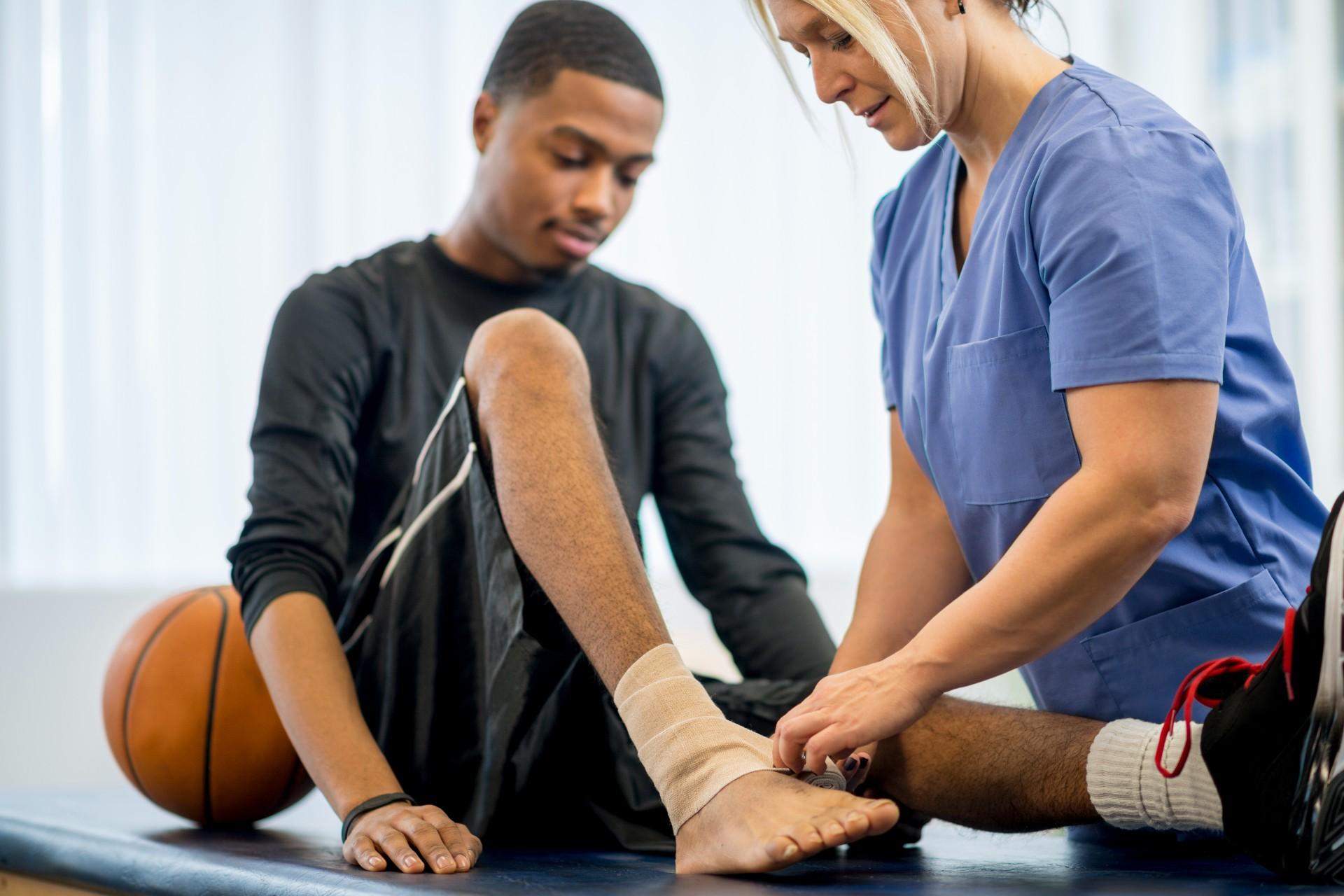
Sports injuries disrupt athletic careers and daily training routines significantly. Every athlete who sustains an injury faces the same pressing question: how do I recover safely? The desire to return to sport quickly is entirely natural and understandable. But speed without safety always leads to reinjury and extended absence. Safe recovery requires a structured, expert-guided, and progressive approach throughout. This article outlines how athletes can recover safely after a sports injury at every stage.
The Foundation of Safe Recovery: Accurate Diagnosis
Safe recovery begins with an accurate diagnosis of the specific injury. Self-diagnosis and internet research frequently lead to incorrect clinical assumptions. Treating the wrong structure or using the wrong approach wastes valuable recovery time. A qualified physiotherapist conducts a comprehensive assessment from the very first visit. The assessment covers injury history, physical examination, and specific clinical testing. Imaging such as MRI or ultrasound may be required for certain complex injuries. An accurate diagnosis ensures every subsequent treatment decision is clinically appropriate. Time invested in accurate assessment is always recovered through more efficient rehabilitation.
Phase One: Safe Acute Injury Management
The first forty-eight to seventy-two hours after injury are critically important. Modern guidelines recommend the PEACE and LOVE framework for acute sports injury management. Protection prevents further aggravation of injured structures during the acute phase. Elevation reduces swelling by improving lymphatic drainage from the affected area. Avoiding harmful agents like excessive heat and alcohol is important during this period. Compression bandaging limits fluid accumulation in the tissues surrounding the injury. Education about the injury and expected recovery course reduces athlete anxiety. Early, guided, pain-free movement within hours prevents unnecessary deconditioning from developing.
Early Movement: Safe and Evidence-Based
Complete immobilisation slows recovery significantly in most sports injury types. Gentle, pain-free movement maintains circulation and stimulates organised collagen production. The collagen produced with early movement is better aligned and structurally stronger. Physiotherapists calibrate the appropriate type and amount of early movement for each injury. This clinical expertise in early optimal loading is one of physiotherapy's greatest recovery contributions. Athletes who receive expert guidance on early movement recover measurably and consistently faster. The evidence strongly supports early, guided movement over traditional complete rest approaches.
Phase Two: Restoring Mobility and Range of Motion
Restoring full range of motion is the first formal goal of sports injury rehabilitation. Joint stiffness and muscle tightness develop rapidly after injury and immobilisation. Manual therapy significantly accelerates mobility restoration beyond what stretching alone achieves. Joint mobilisation techniques restore normal movement mechanics more efficiently and comfortably. Soft tissue techniques reduce muscle guarding and improve tissue extensibility effectively. Improved mobility allows subsequent strengthening work to be more effective and productive. Faster mobility restoration directly shortens the overall recovery timeline for injured athletes.
Phase Three: Progressive Strengthening for Safe Return
Strength restoration is the most important phase for safe return to athletic function. Muscle strength loss after injury is significant and does not self-correct with rest. Isometric exercises begin the strengthening process without stressing healing joint structures. Isotonic exercises with progressive resistance follow as tissue tolerance improves over time. Eccentric exercises are critically important for muscle and tendon injury rehabilitation protocols. They train the tissue at its most mechanically vulnerable and injury-prone angle. Strength symmetry between the injured and uninjured limbs must be fully achieved. Athletes cannot safely return to full sport without meeting this essential clinical benchmark.
Phase Four: Neuromuscular Rehabilitation for Joint Protection
Neuromuscular rehabilitation is essential and frequently undervalued in sports injury recovery. Proprioceptive receptors within injured structures are significantly damaged during injury. These receptors normally provide rapid, automatic joint protection feedback to the nervous system. Without them, joint protection reflexes are dangerously slow and unreliable during sport. Rehabilitation dedicates significant time specifically to restoring neuromuscular function after injury.
Neuromuscular Training Techniques
Single-leg balance exercises progressively challenge the proprioceptive system in rehabilitation. Balance boards and unstable surfaces increase the sensorimotor challenge progressively over time. Perturbation training involves unexpected balance disruptions applied during exercise activities. Reactive agility drills train rapid neuromuscular responses that mirror competition demands. These exercises directly and significantly reduce the risk of reinjury during athletic return.
Phase Five: Sport-Specific Conditioning
Sport-specific conditioning bridges the final gap between general recovery and full competition. General physical recovery is not sufficient for safe competitive return in any sport. Sprinting, cutting, jumping, and contact situations must be reintroduced in a controlled setting. Intensity and complexity increase progressively from controlled drills to full competitive demands. Every progression is guided by clinical criteria, pain levels, and functional performance testing.
Working with a sports injury physio throughout sport-specific conditioning ensures safety and appropriateness. Their specialist knowledge of sport demands and biomechanics informs every programming decision. Athletes who complete sport-specific conditioning return to competition more confidently and completely. They are physically prepared for the exact demands they will face during competition. Skipping this final phase is one of the most common and costly errors in sports rehabilitation.
Objective Return-to-Sport Testing
Safe return to sport should always be based on objective functional testing criteria. Subjective athlete confidence or feeling of readiness is not a reliable sole indicator. Strength symmetry testing measures the difference between injured and uninjured limbs accurately. Hop tests assess power, coordination, and psychological readiness simultaneously. Functional movement screening identifies any residual movement quality deficits before return. Athletes must meet all predefined physical and psychological criteria before competition return. These tests protect athletes from the significant consequences of premature and unsafe return.
Cross-Training to Maintain Fitness During Recovery
Cardiovascular fitness declines significantly during periods of injury-related rest. Athletes who lose cardiovascular conditioning during recovery face additional challenges at return. Cross-training maintains aerobic fitness while protecting the injured structure from loading. Pool running maintains running-specific cardiovascular fitness without lower limb impact. Cycling maintains aerobic capacity effectively after knee and ankle injury. Upper body conditioning maintains muscular fitness and aerobic capacity during leg injuries. Athletes who maintain fitness through cross-training return to training in better overall condition.
Sleep and Nutrition for Accelerated Safe Recovery
Adequate sleep is one of the most important accelerators of safe injury recovery. Growth hormone released during deep sleep drives tissue repair and muscle protein synthesis. Athletes sleeping fewer than seven hours recover measurably and consistently more slowly. Protein provides the essential amino acids needed for muscle and connective tissue repair. Anti-inflammatory foods support tissue healing throughout the acute and subacute recovery phases. Vitamin C supports collagen formation in healing ligaments, tendons, and joint capsules. Total caloric intake must meet the elevated metabolic demands of active tissue healing.
Psychological Safety During Athletic Recovery
Fear of reinjury is one of the most significant barriers to safe return to sport. Athletes who are physically ready but psychologically reluctant move protectively and hesitantly. These protective movement patterns create biomechanical risks during competition and training. Physiotherapists screen for fear-avoidance behaviours using validated psychological assessment tools. Graded exposure to sport-specific demands builds psychological confidence incrementally and safely. Education about healing timelines and injury mechanisms reduces irrational fear effectively. Athletes who are psychologically as well as physically prepared return to sport more safely. Psychological preparation is genuinely as important as physical conditioning in complete recovery.
Avoiding Common Recovery Mistakes
Several common mistakes consistently slow and complicate sports injury recovery. Returning to training too early before meeting objective readiness criteria is the most costly. Skipping neuromuscular training leaves critical joint protection deficits in place. Neglecting sleep and nutrition significantly slows tissue healing throughout recovery. Avoiding home exercise programmes loses days of therapeutic stimulus between sessions. Ignoring pain signals during rehabilitation risks aggravating healing tissue unnecessarily. Each of these mistakes has a clear, evidence-based corrective strategy available. Athletes who avoid these errors consistently achieve faster and safer recovery outcomes. Professional physiotherapy guidance is the most reliable protection against these avoidable errors.
Final Thoughts
Safe recovery from sports injury requires structured, expert-guided, and progressive management. Accurate diagnosis, optimal loading, progressive strengthening, and neuromuscular training are foundational. Sport-specific conditioning and objective readiness testing complete the safe return process. Sleep, nutrition, cross-training, and psychological preparation amplify clinical rehabilitation outcomes. Athletes who commit fully to each phase of this structured process return stronger. Professional sports physiotherapy is the most powerful accelerator of safe and complete recovery. Trust the structured process, follow expert advice, and return to sport fully and safely prepared. Your long-term athletic performance depends on the quality and completeness of your recovery.

 English
 Arabic
 French
 Spanish
 Portuguese
 Turkish
 Dutch
Dutch
 Italiano
 Russian
 Romaian
 Portuguese (Brazil)
 Greek
Greek