


How to Prepare Your Pet for a Stay Away From Home
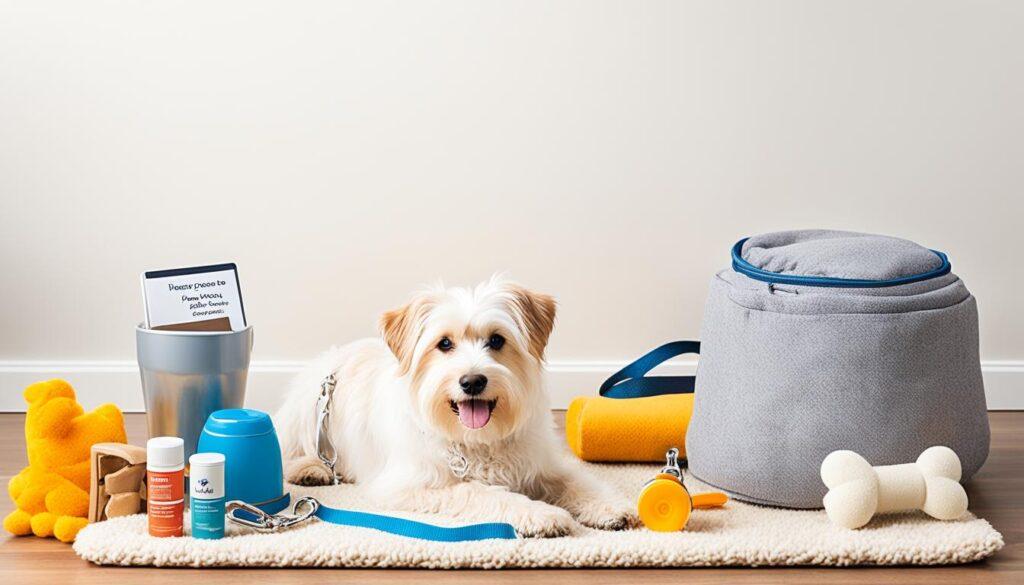
Preparing your pet for a boarding stay is as important as choosing the right facility. A well-prepared pet adjusts faster, experiences less anxiety, and returns home healthier. Many owners focus exclusively on facility selection and neglect the preparation of the animal itself. Understanding the full scope of effective preparation helps you support your pet most meaningfully.
Preparation for a stay away from home involves multiple interconnected components. Health preparation, emotional preparation, routine preparation, and packing all contribute to the outcome. Neglecting any one of these components creates gaps that affect the boarding experience. A comprehensive approach to preparation is the most reliable path to a comfortable stay.
Health Preparation for a Boarding Stay
Health preparation begins with ensuring your pet is physically well before the boarding date. A pre-boarding veterinary check confirms that your animal is healthy and appropriate for group boarding. The vet identifies any conditions that could worsen during a boarding stay or create risks for other animals. Addressing health concerns before boarding is far more manageable than responding to them mid-stay.
Update all vaccinations required by the boarding facility well before the check-in date. Most quality boarding facilities require rabies, distemper, and bordetella vaccinations at minimum. Vaccination updates should be completed at least two to three weeks before boarding begins. This timeline allows any post-vaccination immune responses to normalize before your pet enters a group environment.
Parasite Prevention as a Pre-Boarding Health Requirement
Parasite prevention is a health responsibility that protects every animal in the boarding facility. Fleas, ticks, and intestinal parasites spread rapidly in multi-animal environments. Apply current flea and tick preventatives before the boarding stay begins. Confirm with your vet that your pet's preventative regime is appropriate for the current season.
A recent fecal examination from your vet confirms whether intestinal parasites need treatment. Treating any identified parasites before boarding protects all other animals in the facility. Boarding a pet with untreated parasites is both an ethical failure and a health risk for the facility population. This preventative care is one of the most meaningful health responsibilities you carry as a boarding pet owner.
Emotional Preparation for a Boarding Stay
Emotional preparation has the most significant impact on your pet's boarding comfort. Gradual exposure to the experiences that boarding involves builds confidence before the actual stay begins. This preparation is grounded in behavioral science and consistently produces better outcomes. Beginning emotional preparation at least four weeks before the boarding date produces the most reliable results.
Carrier or crate acclimation is the most foundational emotional preparation for boarding stays. Begin introducing your pet to their carrier or crate at least four weeks before check-in. Allow your pet to explore the carrier freely with the door open in familiar surroundings. Place familiar-smelling bedding and occasional treats inside to build positive associations without pressure.
Progressive Separation Practice Before Boarding
Separation practice is an equally important emotional preparation component for boarding stays. Begin by leaving your pet alone for brief thirty-minute periods in the weeks before boarding. Gradually extend these practice periods over the following weeks. Pets with consistent separation practice approach boarding-related owner absence with significantly greater confidence.
Pair separation practice with positive reinforcement before and immediately after each session. A treat or engaging toy given before you leave creates a positive pre-separation association. A calm, warm greeting upon return confirms that separation is always temporary. This positive reinforcement approach accelerates the emotional preparation process for most animal species and ages.
Familiarization With the Boarding Facility Before the Stay
Pre-boarding familiarization visits are one of the most effective and underutilized preparation strategies. A trial visit or day boarding session introduces your pet to the facility before the full stay begins. During this visit, the environment shifts from entirely unfamiliar to partially known. Familiarity built during trial visits reduces novelty-driven anxiety throughout the main boarding stay.
Ask the boarding facility about their trial visit or day boarding policy during your initial evaluation. Many quality facilities actively encourage trial visits because they produce better boarding outcomes. A trial visit that includes interaction with specific staff members builds handler familiarity. This relationship building before the main stay makes your pet's first full day of boarding significantly calmer.
Quality animal boarding calgary facilities near major transit hubs often serve pets from international relocations. These facilities understand the specific needs of animals who are already experiencing transition stress. Their staff training and facility design reflect an awareness of complex emotional needs. For owners relocating to Calgary, choosing a facility experienced with recently traveled animals is particularly important.
Packing Familiar Items for the Boarding Stay
Familiar items from home provide powerful emotional comfort during boarding stays. Your pet's regular blanket or bedding carries familiar home scents that signal safety. These scents provide continuous comfort in an otherwise unfamiliar environment throughout the stay. The emotional value of a familiar-smelling blanket is disproportionately large relative to how easy it is to pack.
A worn piece of your clothing is one of the most effective comfort items you can provide. Your personal scent communicates safety and reassurance during your physical absence. For anxious pets especially, this scent serves as a powerful emotional anchor throughout the stay. This simple, free item consistently reduces boarding anxiety across a wide range of animal personalities and ages.
Packing Food and Health Supplies for Boarding
Bring your pet's regular food for the entire boarding stay plus an emergency supply. Dietary changes during boarding add physical discomfort to an already challenging emotional experience. Pre-measured daily portions labeled with feeding times and your pet's name simplify staff management. This preparation prevents accidental overfeeding or underfeeding that can result from unclear general instructions.
All medications must be packed with precise written administration instructions. Include the medication name, dosage, timing, method of administration, and any monitoring requirements. Note potential side effects that staff should watch for following each dose. These clear, detailed instructions protect your pet from medication errors during the boarding stay.
Writing and Providing Comprehensive Care Instructions
Written care instructions are among the most important items you provide at boarding check-in. Every detail of your pet's normal daily routine should be documented in specific, actionable language. Feeding times, exercise preferences, social interaction style, and sleep habits all belong in the instructions. Staff with complete written guidance provide care that feels more familiar and individualized.
Include your pet's known stressors and proven calming strategies in the written instructions. Note which approaches have helped with anxiety and which have made things worse historically. Provide complete emergency contact information including your vet's details and after-hours contacts. Written authorization for veterinary care if needed during the stay protects your pet's health during any unexpected situation.
Supporting Your Pet After They Return Home
Post-boarding support is an important and frequently overlooked component of the overall preparation framework. Allow your pet a calm, low-stimulation environment on the first evening after return. Some pets appear energetic and excited while others seem subdued after a boarding stay. Both responses are entirely normal and typically resolve within one to two days of being home.
Re-establish your regular routine as quickly as possible after your pet returns home. Consistent feeding times, exercise schedules, and sleeping arrangements restore familiar emotional stability. Monitor appetite, bathroom behavior, and energy levels for the first forty-eight hours after return. Persistent behavioral changes or health concerns that extend beyond this window warrant a veterinary consultation.
Preparing your pet thoroughly for a stay away from home is the most meaningful gift you can give them. Every health, emotional, and logistical preparation step improves their comfort and reduces their anxiety. The time invested in preparation before the boarding stay pays dividends throughout the entire duration. A well-prepared pet is a more comfortable, healthier, and better-adjusted boarding animal by every measurable standard available.

 English
 French
 Spanish
 Portuguese
 Deutsch
 Turkish
 Dutch
Dutch
 Italiano
 Russian
 Romaian
 Portuguese (Brazil)
 Greek
Greek