


What Makes a Hair Replacement System Look More Natural?
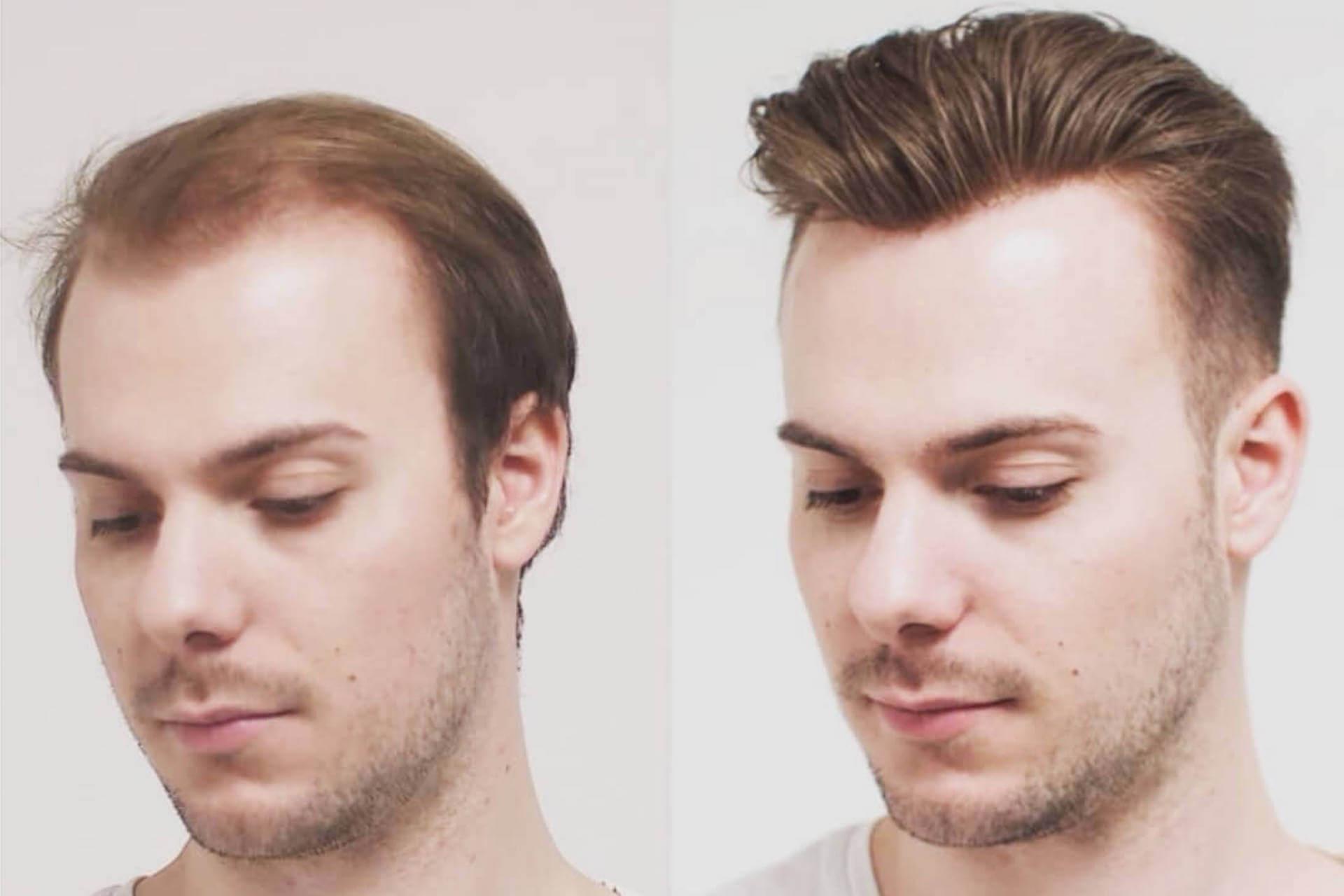
The naturalness of a hair replacement system is the single most important factor determining its success. A system that looks artificial undermines its entire purpose and draws attention to itself. A system that looks genuinely natural restores confidence and allows the wearer to move through life unself-consciously. Understanding what makes hair systems look more natural helps people choose more wisely and set more accurate expectations. The details that separate natural-looking systems from obvious ones are specific, technical, and entirely learnable.
The Foundational Importance of Natural Appearance
Natural appearance in a hair replacement system is achieved through the convergence of many technical factors. No single element determines naturalness on its own. The base material, hair selection, application, hairline design, and ongoing maintenance all contribute. When all these elements are optimized together, the result can be genuinely and consistently undetectable.
The stakes of natural appearance extend well beyond aesthetics. Men and women who wear detectable hair systems often experience heightened rather than reduced self-consciousness. The fear of the system being noticed can be more socially paralyzing than the hair loss itself was. A system that achieves genuine naturalness liberates its wearer from this anxiety and delivers the confidence restoration that motivated them to seek treatment in the first place.
Setting the Right Expectations
Setting accurate expectations about naturalness is an essential starting point for anyone considering a hair system. Modern systems, when well-designed and properly fitted, can achieve remarkable levels of naturalness. However, the quality of that naturalness depends significantly on the choices made in system selection and maintenance. Understanding what factors influence naturalness enables people to invest in the right elements from the beginning.
No hair system exists that requires zero maintenance to remain natural-looking indefinitely. Regular maintenance appointments preserve both the adhesion and the appearance that create naturalness. Systems that are neglected begin to lift, fade, and deteriorate in ways that increasingly reveal their artificial origin. Understanding the ongoing commitment that natural appearance requires is part of making an informed initial decision.
The Role of Base Material in Natural Appearance
The base material of a hair replacement system is the invisible foundation of its natural appearance. Ultra-thin polyurethane bases, when properly fitted, create a seamless skin-like boundary at the scalp. Lace bases allow light to penetrate and create a transparent appearance that closely mimics natural scalp visibility. The choice of base material significantly influences how the system appears from different viewing distances and angles.
Monofilament bases offer durability alongside a degree of transparency at the hair attachment points. Hybrid bases combine different materials in different zones to optimize naturalness, comfort, and longevity. Thinner bases generally produce more natural results but may sacrifice some durability in exchange. A specialist who understands these material trade-offs helps clients select the base that best balances their naturalness and lifestyle needs.
Base Thickness and Scalp Visibility
Base thickness is one of the most technically significant determinants of natural scalp appearance. Very thin bases, sometimes measured in fractions of a millimeter, sit nearly invisibly against the scalp surface. At these thicknesses, the scalp appears visible through the base when light hits it at the right angle. This scalp visibility is one of the most important contributors to the natural appearance of the hairline and parting.
Thicker bases, while more durable, create a visible layer that can appear artificial under close inspection. The edge of a thick base at the hairline is difficult to blend seamlessly without additional cosmetic effort. For people whose priority is maximum naturalness and who are willing to accept more frequent replacement, thinner bases represent the superior choice. This trade-off should be discussed explicitly with a specialist during system selection.
Hair Selection and Its Contribution to Naturalness
The hair used in a replacement system is as important as the base it is attached to. Human hair provides the most naturally matching texture, movement, and response to styling. It behaves exactly as natural hair does because it is natural hair from another human donor. Human hair systems are the standard choice for anyone whose primary priority is genuine naturalness.
Color matching is a particularly critical technical element of natural hair appearance. Natural hair color is not uniform but varies in subtle and specific ways across the head. Highlights, undertones, and multi-dimensional variations in shade create the rich appearance of natural hair. Systems that use single-color hair, even if the base color is well-matched, often lack this natural variation and depth.
Texture, Curl Pattern, and Movement
Texture and curl pattern matching are essential for creating seamless integration with existing natural hair. A system with straight hair applied to someone with naturally wavy hair creates a visible contrast at the boundary. Modern customization capabilities allow systems to be precisely matched to each client's specific texture profile. This customization ensures that the system moves, responds to humidity, and styles identically to surrounding natural hair.
The direction of hair growth within the system must also reflect natural patterns for convincing results. Natural hair grows in specific directions that vary across different scalp regions. Systems with uniform growth direction appear artificial when viewed in profile or when wind disturbs the hair. Specialist system designers who replicate natural directional variation create results that are far more convincing in real-world conditions.
Hairline Design as the Most Critical Naturalness Factor
The hairline is the most scrutinized element of any hair replacement system and the most critical determinant of naturalness. A natural hairline is never perfectly geometrically straight or precisely defined along its entire edge. It has subtle irregularities, micro-variations in density, and gradual transitions that reflect biological growth patterns. Systems that replicate these natural hairline characteristics are dramatically more convincing than those with uniform, defined edges.
The hairline's temporal recession is particularly important for age-appropriate natural appearance. A hairline that appears too youthful for the wearer's age is immediately identifiable as artificial. A system designer who understands age-appropriate hairline aesthetics creates results that are not only natural but contextually convincing. This age-appropriate naturalness is often what makes the crucial difference between an obvious and a completely convincing result.
Hairline Density Gradients
Natural hairlines have characteristic density gradients that transition gradually from sparse to dense. The very front edge of the natural hairline has isolated, finer hairs that create a feathered appearance. Moving backward from this edge, density gradually increases to the fuller density of the main hair mass. Systems that replicate this natural density gradient create a convincing hairline that blends seamlessly with both the skin and any remaining natural hair.
Creating this gradient requires individual hair placement at the leading edge using the finest available hair. Each hair at the very front is placed individually and at a specific angle to reflect natural growth. This labor-intensive technique produces hairlines that withstand close inspection from observers who are aware of the system. The investment in quality hairline construction is one of the most impactful choices available to people seeking natural results.
Application Techniques and Their Impact on Appearance
The application technique used to attach a hair system directly influences how natural it appears during wear. Proper template creation ensures the system fits the scalp contours precisely without lifting or gapping. Lifting edges reveal the base material and immediately signal that a system is present. A precisely fitted system with no lifting creates the continuous skin-to-hair appearance of natural scalp.
Adhesive selection and application technique are equally important technical components of natural appearance. Medical-grade adhesives that bond cleanly without visible residue at the edges create the most natural appearance. Adhesive that squeezes out beyond the system edge or creates visible ridges undermines the naturalness of even the best-designed system. A skilled application technician is therefore as important as the quality of the system itself.
The Contribution of Ongoing Maintenance to Sustained Naturalness
Non-surgical hair replacement systems require regular maintenance to sustain the natural appearance that makes them successful. Adhesive bonds weaken over time and must be refreshed before lifting becomes visible. Hair color within the system fades with washing and sun exposure, eventually creating a visible mismatch with natural hair. Regular professional maintenance appointments address both of these naturalness-preserving needs systematically.
Hair care practices between professional appointments also significantly influence how natural the system looks. Using appropriate shampoos and conditioners for the system's base material and hair type preserves longevity. Avoiding excessive heat styling reduces fiber degradation that makes the hair look increasingly artificial over time. Protecting the system during sleep with appropriate covers reduces friction-related deterioration that accelerates the need for replacement.
Managing Color Consistency Over Time
Color management is an ongoing naturalness challenge that requires proactive attention. Systems are color-matched at the time of fitting but may begin to diverge from the client's natural hair over time. The wearer's natural hair may lighten with sun exposure or darken seasonally in ways the system does not replicate. Professional color refreshing applied to the system at regular intervals maintains the color harmony essential to natural appearance.
Managing the color boundary between the system and any natural hair around it requires consistent attention. This boundary is where systems are most likely to reveal themselves if color matching has drifted. Regular professional assessment of this color boundary and prompt correction when needed sustains the naturalness that the initial system was designed to achieve.
Conclusion
Achieving and maintaining a natural appearance in a hair replacement system requires attention to multiple technical and practical factors. Base material selection, hair matching, hairline design, application technique, and ongoing maintenance all contribute. When these elements are optimized together under specialist guidance, the results can be genuinely and consistently natural. People who invest in quality system selection and professional ongoing care are rewarded with results that restore confidence without drawing unwanted attention. Every person seeking a hair replacement system deserves access to the knowledge and expertise that makes genuine naturalness achievable.

 English
 Arabic
 French
 Spanish
 Portuguese
 Deutsch
 Turkish
 Dutch
Dutch
 Italiano
 Russian
 Romaian
 Portuguese (Brazil)