


How Home Automation Devices Are Changing the Way We Live
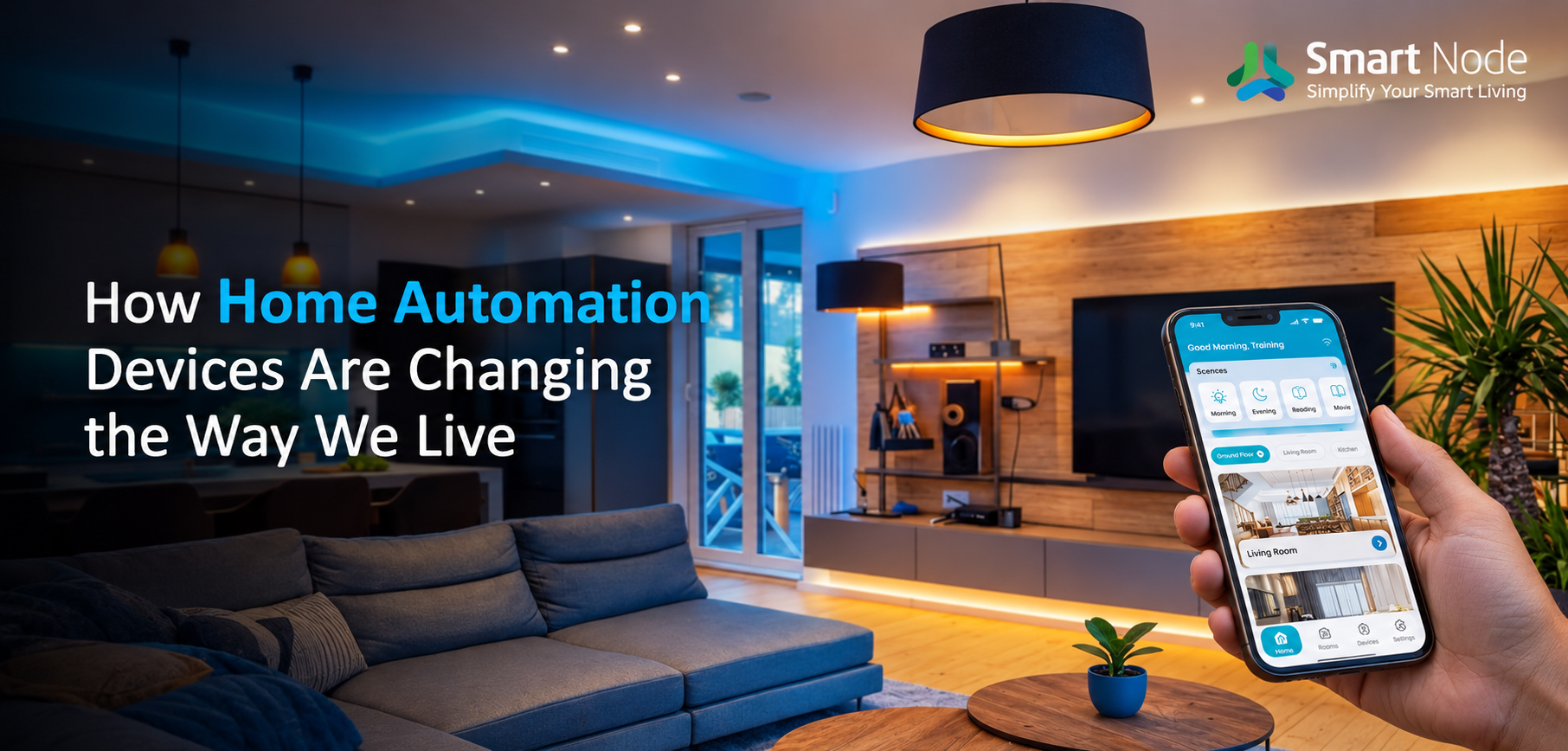
Walking into a house that adjusts the lights, locks the doors, and cools the room before you even ask is not science fiction anymore it's just Tuesday for millions of homeowners. As connected technology becomes more affordable and easier to install, more people are turning their houses into smart, responsive living spaces. If you hve been on the fence about upgrading, this guide breaks down what a modern smart home actually looks like and why it's worth the investment.
What Is a Smart Home System, Really?
A smart home system is a network of connected devices that communicate with each other and with you through a central app or voice assistant. Instead of manually flipping switches or adjusting thermostats, you control everything from your phone, a wall panel, or simple voice commands.
At its core, a smart home system typically includes:
-
Lighting and climate controls
-
Security cameras and smart locks
-
Voice assistants (Alexa, Google Assistant, etc.)
-
Sensors for motion, smoke, and water leaks
-
Smart plugs and appliances
The real magic happens when these components work together. For example, your door lock can trigger the lights to turn on and the thermostat to adjust the moment you walk in no manual input required.
Why Homeowners Are Making the Switch
The appeal is not just novelty. People are adopting smart systems because they genuinely improve daily life:
-
Convenience — Control your entire home from one app, wherever you are.
-
Energy savings — Smart thermostats and lighting reduce wasted electricity.
-
Enhanced security — Real-time alerts and remote monitoring offer peace of mind.
-
Accessibility — Voice and app controls make homes easier to manage for elderly or disabled family members.
Popular Home Automation Devices to Start With
You don't need to automate your entire house overnight. Most people start small and expand over time. Here are some of the most popular home automation devices worth considering first:
Smart Lighting
Smart bulbs and switches let you dim, schedule, or change the color of your lights without touching a wall switch. Many can be set to turn on automatically at sunset or off when you leave the house.
Smart Thermostats
These learn your habits and adjust temperature settings automatically, often cutting energy bills by double digits over time.
Smart Locks and Video Doorbells
Never wonder if you locked the door again. Smart locks let you lock or unlock remotely, and video doorbells show you exactly who's at the door even when you are not home.
Smart Plugs
An easy entry point into automation. Plug in any regular appliance and control it remotely or on a schedule, no rewiring needed.
Motion and Environmental Sensors
These detect movement, temperature changes, or water leaks, triggering alerts or automated responses like turning on lights or shutting off a water valve.
Choosing the Right Home Automation Solutions for Your Space
Not every household needs the same setup. The best home automation solutions are the ones tailored to your specific lifestyle, budget, and home layout. A few things to consider before you buy:
Compatibility Matters
Before purchasing devices, check whether they work with your preferred ecosystem (Google Home, Amazon Alexa, or Apple HomeKit). Mixing incompatible brands can lead to a frustrating setup process.
Start with a Clear Goal
Are you prioritizing security? Energy efficiency? Convenience for aging family members? Defining your goal helps you choose devices that actually solve a problem, rather than buying gadgets that end up unused.
Professional Installation vs. DIY
Simple devices like smart plugs or bulbs are plug-and-play. But for whole-home systems involving wiring, sensors, and centralized hubs, professional installation ensures everything works reliably together from day one.
Plan for Scalability
Choose a system that can grow with you. Starting with a hub-based setup today makes it easier to add cameras, locks, or sensors down the line without replacing your entire system.
Getting Started the Right Way
Building a connected home does not have to be overwhelming. Whether you are looking to automate a single room or transform your entire house, working with experts who understand both the technology and your specific needs makes all the difference. Companies like Smartnode specialize in designing and installing tailored automation setups that fit real households, not just showroom demos.
Final Thoughts
Smart homes are no longer a luxury reserved for tech enthusiasts they are becoming the standard for modern living. From simple smart plugs to fully integrated security and climate systems, there's an entry point for every budget and every level of tech comfort. Start small, choose devices that solve real problems, and scale up as your needs grow. The result is a home that works smarter, saves money, and gives you genuine peace of mind.

 English
 Arabic
 French
 Portuguese
 Deutsch
 Turkish
 Dutch
Dutch
 Italiano
 Russian
 Romaian
 Portuguese (Brazil)
 Greek
Greek