


Male Hair Transplant UK: A Complete Guide to Hair Restoration for Men
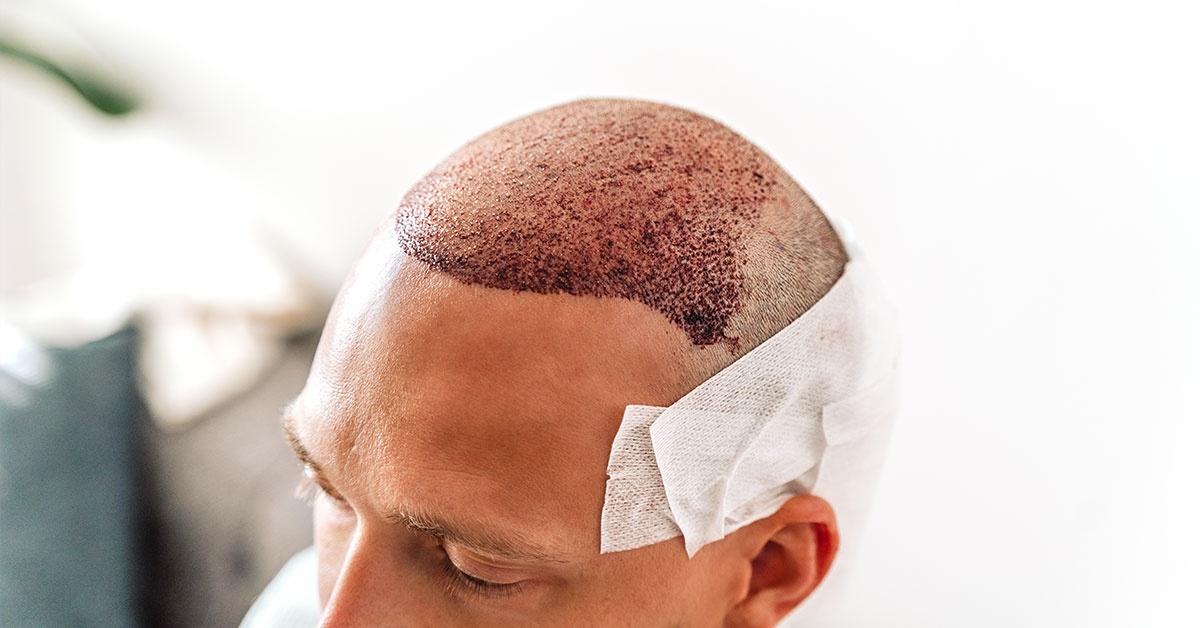
Hair loss is a common concern for men, particularly when thinning starts around the hairline, temples or crown. Male pattern baldness can gradually change the appearance of the scalp and may become more noticeable over time. For men looking for a longer-term hair restoration option, a male hair transplant UK procedure can be one treatment to explore after receiving an appropriate assessment.
A hair transplant involves moving healthy hair follicles from a donor area, usually the back or sides of the scalp, into areas affected by thinning or baldness. Modern transplantation techniques such as FUE can create natural-looking results when patients are appropriately selected and the procedure is planned carefully.
However, a transplant is not automatically suitable for every man experiencing hair loss. Understanding the cause of hair loss, available treatments, procedure types, costs, recovery and long-term expectations can help men make a more informed decision.
What Is a Male Hair Transplant?
A male hair transplant is a surgical procedure designed to move hair follicles from a donor area to areas where hair has become thin or absent.
The donor area is generally located at the back or sides of the head because these follicles may be more resistant to the effects of male pattern baldness. The surgeon evaluates the available donor hair and designs the recipient area according to the individual's hair-loss pattern and long-term goals.
Modern transplantation uses follicular units rather than the large "plugs" associated with older techniques. This allows individual grafts containing naturally occurring groups of hairs to be positioned according to the direction and density of existing hair.
Why Do Men Consider Hair Transplantation?
Male pattern baldness is often progressive. Men may initially notice a receding hairline or thinning temples before experiencing more noticeable loss around the crown.
Some men choose to explore transplantation because they want to restore areas affected by permanent hair loss. Others may consider it after trying non-surgical approaches.
A transplant does not stop every type of future hair loss. Existing non-transplanted hair may continue to thin, which is why long-term planning is an important part of the consultation process. The NHS also advises that surgeons should consider how ongoing thinning could affect the appearance of the transplanted area over time.
Who Is Suitable for a Male Hair Transplant?
A hair transplant is generally most suitable for men with permanent hair loss, particularly male pattern baldness, and sufficient donor hair for transplantation.
Suitability can depend on several factors, including:
-
The cause and pattern of hair loss
-
The stability and progression of hair loss
-
Donor hair density
-
The condition of the scalp
-
The amount of coverage required
-
Age and long-term hair-loss expectations
-
Previous hair restoration procedures
Men with sudden or unexplained hair loss should consider professional medical assessment before proceeding with a cosmetic hair restoration procedure. Some forms of hair loss, such as alopecia areata, are generally not treated with a standard hair transplant.
FUE Hair Transplant for Men
FUE, or Follicular Unit Extraction, is one of the main techniques used in modern hair transplantation.
During FUE, individual follicular grafts are extracted from the donor area and implanted into the recipient area. Unlike FUT, which involves removing a strip of scalp, FUE does not create a linear strip scar. Instead, extraction produces small individual marks that generally become less noticeable as they heal.
FUE can be used to address areas such as:
Receding Hairline
A carefully designed hairline can help restore coverage around the temples and frontal scalp. Hairline design is particularly important because it needs to complement the individual's facial features and anticipated future hair loss.
Crown Thinning
The crown can be more challenging because it often requires careful management of grafts and density. The surgeon may need to assess whether enough donor hair is available to provide meaningful coverage.
General Thinning
Some men experience diffuse thinning rather than complete baldness. In these cases, the treatment approach needs to be planned carefully to avoid unnecessarily using a limited donor supply.
FUE vs FUT for Male Hair Restoration
FUE and FUT use the same basic principle of moving hair follicles from a donor area to a recipient area, but the extraction methods differ.
With FUT, a strip of scalp containing hair follicles is removed and divided into individual grafts. The donor area is then closed with stitches, leaving a linear scar. With FUE, individual follicles are extracted using small punches, resulting in multiple small scars rather than one linear scar.
The choice between techniques should be based on the individual's hair characteristics, donor area, treatment requirements and the surgeon's assessment rather than simply choosing the technique based on popularity.
How Does a Male Hair Transplant Work?
A typical transplant involves several stages.
1. Consultation and Assessment
The first stage is a detailed assessment of the hair and scalp. The surgeon should understand the pattern and progression of hair loss and assess donor hair availability.
2. Hairline and Treatment Planning
If the frontal area is being treated, the proposed hairline should be discussed before the procedure. The plan should consider both current appearance and potential future hair loss.
3. Donor Hair Extraction
Depending on the selected technique, grafts are removed from the donor area.
4. Graft Preparation
The extracted follicles are prepared for implantation while maintaining their quality.
5. Graft Implantation
The grafts are placed into carefully created recipient sites, taking into consideration hair direction, angle and density.
6. Aftercare
Aftercare instructions are provided to protect the transplanted grafts during the initial healing period.
Hair Growth Centre states that its FUE procedures are performed under local anaesthetic and generally take around four to eight hours, although procedure times vary according to the individual case.
Male Hair Transplant Recovery
Recovery varies between patients and depends on the size and nature of the procedure.
The NHS states that patients may need around one to two weeks away from work following a hair transplant, although individual recovery can differ. Transplanted grafts require particular care during the first two weeks.
Temporary scabbing, swelling, scalp discomfort and redness can occur during recovery.
It is also normal for transplanted hair to shed after the procedure before new growth develops. According to NHS guidance, new hair usually begins appearing at around four months, with full results potentially taking approximately 10 to 18 months.
How Much Does a Male Hair Transplant Cost in the UK?
The cost of a male hair transplant UK procedure varies considerably.
The NHS currently states that UK hair transplant procedures can range from approximately £1,000 to £30,000, depending on factors including the extent of hair loss, procedure type and the clinic and team involved.
The final price can depend on:
-
Number of grafts required
-
Size of the treatment area
-
FUE or FUT technique
-
Surgeon experience
-
Clinic location
-
Additional consultations or treatments
-
Aftercare arrangements
Men should request a personalised treatment plan and understand exactly what is included in the quoted price.
Choosing a Male Hair Transplant Clinic in the UK
Choosing a clinic should involve more than comparing prices.
For procedures in England, the NHS recommends checking whether the relevant clinic or hospital is registered with the Care Quality Commission. It also recommends checking that the doctor is registered with the General Medical Council and asking about qualifications, experience, complications and follow-up arrangements.
Men considering transplantation should also ask:
-
Who will perform the procedure?
-
Is the surgeon GMC registered?
-
How many hair transplant procedures have they performed?
-
Which technique is being recommended and why?
-
How many grafts are expected to be required?
-
What happens if complications occur?
-
What aftercare is provided?
-
What happens if existing hair continues to thin?
-
Is the quoted price inclusive of follow-up care?
These questions can help patients compare clinics based on clinical care and suitability rather than advertising alone.
Hair Growth Centre for Male Hair Transplant UK
For men researching a male hair transplant UK, Hair Growth Centre is one provider to consider when comparing hair restoration clinics.
Hair Growth Centre states that it offers FUE hair transplantation performed by GMC-registered surgeons and provides treatment at multiple UK locations, including London, Birmingham, Manchester, Leeds, Glasgow, Romford, Bromley and Bristol.
The clinic also offers an Unshaven FUE option, where the procedure is performed through existing hair without requiring the entire head to be shaved.
Its male hair-loss services include diagnostic assessment, non-surgical approaches and FUE transplantation. Hair Growth Centre's male treatment programme describes a staged approach that may include diagnostic assessment, medication, PRP and FUE depending on the individual's situation.
Men considering Hair Growth Centre should still have a consultation to determine whether transplantation is appropriate for their specific hair-loss pattern and donor supply.
Why a Consultation Matters
A consultation can help determine whether hair transplantation is actually appropriate.
Hair loss can have different causes, and treating the wrong condition with surgery may not address the underlying problem. A proper assessment can help establish the pattern of hair loss, evaluate donor hair and discuss realistic expectations.
Hair Growth Centre says its consultation process includes hair-loss assessment, pro-scopic testing, Norwood-level assessment and discussion of potential treatment options.
A consultation should also provide an opportunity to discuss the expected number of grafts, hairline design, recovery period and long-term maintenance.
Frequently Asked Questions
Is a hair transplant permanent for men?
Transplanted hair can provide long-lasting restoration, but ongoing hair loss can still affect non-transplanted hair. Long-term planning is therefore important.
What is the most common hair transplant technique for men?
FUE is a widely used modern technique in which individual follicular units are extracted and implanted into thinning or bald areas. FUT is another established technique that uses a strip of donor scalp.
How long does a male hair transplant take?
The duration depends on the number of grafts and procedure being performed. Hair Growth Centre states that its typical FUE procedures take around four to eight hours.
When will I see the results?
Hair growth takes time. The NHS states that new hair usually starts appearing at around four months, while full results can take approximately 10 to 18 months.
Can younger men have a hair transplant?
Age alone does not determine suitability. The pattern and stability of hair loss, donor supply and likely future progression are important considerations. A qualified surgeon should assess these factors before recommending surgery.
A male hair transplant UK procedure can be an option for men experiencing suitable forms of permanent hair loss, particularly male pattern baldness. Modern techniques such as FUE can move individual follicles from the donor area to areas affected by thinning or baldness.
However, transplantation is a surgical procedure and should not be approached as a quick cosmetic solution. Diagnosis, donor-hair assessment, surgeon experience, realistic expectations and long-term planning all matter.
For men comparing UK clinics, Hair Growth Centre is one provider to research and discuss with during a consultation. A qualified professional should ultimately determine the most appropriate treatment after assessing the individual's hair loss, scalp, and donor hair.

 English
 Arabic
 French
 Spanish
 Portuguese
 Deutsch
 Turkish
 Dutch
Dutch
 Italiano
 Russian
 Portuguese (Brazil)
 Greek
Greek