


How to Choose a GPS Tracker for Bus Operations
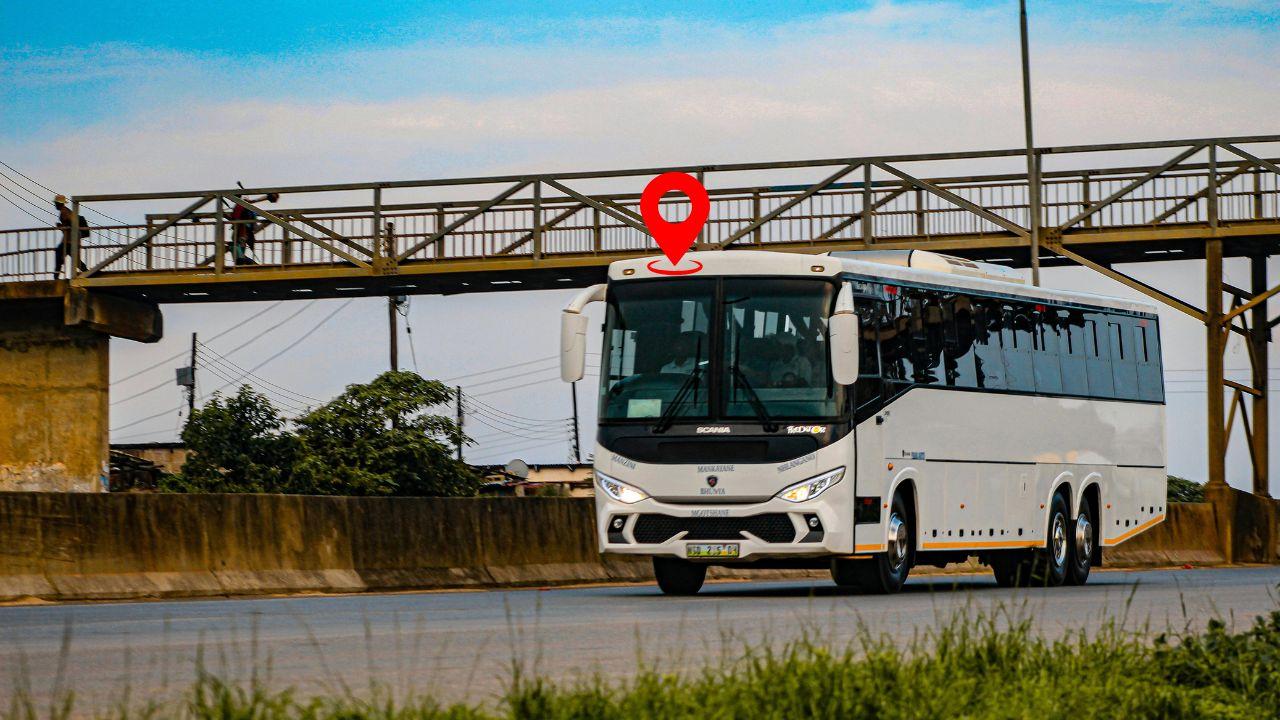
Choosing the right GPS tracker for Bus operations can make vehicle management more organized, transparent, and efficient. Whether you operate school buses, public transport, corporate vehicles, or a private fleet, GPS tracking helps you monitor location, routes, driver activity, and vehicle performance while supporting better safety and operational decisions.
Why GPS Tracking Matters for Bus Operations
Managing several buses can become difficult when fleet managers depend only on phone calls, paper records, or driver updates. A GPS tracking system provides real-time visibility of vehicles, allowing managers to understand where buses are, which routes they are taking, and whether they are operating according to schedule.
For schools, transport companies, organizations, and individual bus owners, this visibility can improve communication and reduce uncertainty. Fleet managers can identify delays, review completed trips, monitor driving patterns, and respond more quickly when unusual activity occurs.
The goal is not simply to know where a bus is. A well-designed tracking solution can provide useful information for safety, fleet management, fuel control, maintenance planning, and operational efficiency.
Key Features to Look for in a GPS Tracker
Not every tracking device offers the same capabilities. Before choosing a system, consider the features that match your fleet's actual requirements.
Real-Time Bus Location
The most important feature is live location tracking. A reliable device should show the current position of each bus through a web dashboard or mobile application.
Real-time location information can help fleet managers:
-
Check where a bus is currently operating
-
Determine whether it is following the assigned route
-
Estimate arrival times
-
Identify unexpected stops
-
Coordinate multiple buses
-
Respond quickly when a vehicle faces an issue
For school and employee transportation, live tracking can also help authorized personnel understand whether a bus has reached a pickup or drop-off area.
Route Monitoring
Route monitoring is another important consideration when selecting a GPS tracker for Bus operations. Fleet managers should be able to compare the vehicle's actual movement with its planned route.
If a driver takes an unexpected route, the system can help management investigate the reason. Route information can also reveal recurring traffic problems, unnecessary detours, or inefficient travel patterns.
Over time, historical route information can help companies redesign routes and improve scheduling.
Driver Behavior Monitoring
The way a bus is driven can have a direct impact on safety, fuel consumption, and vehicle wear. Therefore, look for tracking systems that provide information about driver behavior.
Depending on the device and platform, useful indicators may include:
-
Harsh acceleration
-
Sudden braking
-
Excessive speeding
-
Rapid changes in driving patterns
-
Long idling periods
-
Unusual stops
This information can help fleet managers identify areas where drivers may benefit from additional training.
Speed Alerts and Safety Notifications
Speeding is an important concern for commercial and passenger vehicles. A tracking system should allow administrators to configure speed limits and alerts.
For example, if a bus exceeds a predefined speed threshold, an authorized manager may receive an alert. This can allow the fleet team to investigate potentially unsafe driving behavior instead of discovering it much later.
Other useful notifications may include:
-
Ignition on/off alerts
-
Geofence entry and exit alerts
-
Unauthorized movement
-
Long stoppage alerts
-
Excessive idling alerts
-
Power disconnection alerts
-
Device tampering notifications
The exact alerts available depend on the tracking device and software platform.
Trip History and Historical Reports
Real-time information is useful, but historical data is equally important. A good tracking platform should maintain trip history so managers can review previous journeys.
Historical reports can answer questions such as:
-
When did the bus start its trip?
-
Which route did it follow?
-
How long did the journey take?
-
Where did it stop?
-
How many kilometers did it travel?
-
Did the driver exceed the speed limit?
-
How long was the bus idle?
These reports can be useful for operational analysis, dispute resolution, driver performance reviews, and management reporting.
Geofencing for Better Bus Management
Geofencing allows fleet managers to create virtual boundaries around specific locations.
For example, a school may create a geofence around its campus. A transport company could establish geofences around depots, customer locations, terminals, warehouses, or designated service areas.
When a bus enters or leaves a defined area, the system can generate an alert. This can make location-based monitoring more automated.
Geofencing can be particularly useful for:
-
School bus operations
-
Employee transportation
-
Corporate fleets
-
Long-distance bus services
-
Bus depots
-
Restricted operating zones
Instead of constantly checking the map, managers can receive notifications when specific location events occur.
Fuel Monitoring and Consumption Control
Fuel is one of the major operating expenses for many bus fleets. Therefore, fuel monitoring should be considered when selecting a tracking solution, especially for larger operations.
Depending on the available hardware and integrations, a GPS system may help monitor fuel-related information such as consumption patterns, excessive idling, or unusual fuel events.
For example, unnecessary idling can consume fuel without moving the vehicle. By identifying repeated idle periods, fleet managers can develop better operating practices.
Fuel-related data can also be compared with distance traveled and trip history to identify unusual consumption patterns.
Fleet Management Capabilities
A single bus is relatively easy to monitor. Managing dozens or hundreds of buses requires a more comprehensive fleet management system.
When evaluating a tracker, consider whether the platform allows you to manage multiple vehicles from one dashboard.
Useful fleet management functions may include:
-
Multiple vehicle tracking
-
Vehicle grouping
-
Driver assignment
-
Route monitoring
-
Trip reports
-
Alert management
-
Historical playback
-
Mileage reports
-
Maintenance reminders
-
Mobile access
A centralized platform reduces the need to manage individual vehicles separately and can provide managers with a clearer overview of the entire fleet.
Passenger Safety Considerations
Passenger safety should be one of the main priorities of any bus operation. GPS tracking can support safety management by providing information about vehicle location and movement.
For school buses, parents and school administrators may need reliable information about transportation operations. For employee buses, organizations may want to know whether scheduled vehicles are following approved routes.
GPS tracking does not replace responsible driving, vehicle inspections, or proper safety procedures. Instead, it provides an additional layer of visibility that can support those processes.
When choosing a tracking provider, also consider data access, user permissions, privacy, and security. Only authorized personnel should have access to sensitive vehicle and operational information.
Maintenance Planning and Vehicle Health
A bus fleet requires regular maintenance to remain safe and operational. Tracking data can support preventive maintenance planning by helping managers monitor mileage, usage, and operating patterns.
Instead of waiting for a vehicle problem to interrupt service, managers can use mileage or time-based information to schedule inspections and servicing.
Maintenance planning may help organizations reduce:
-
Unexpected breakdowns
-
Service interruptions
-
Repair-related downtime
-
Vehicle wear
-
Emergency maintenance costs
Some advanced tracking platforms can also integrate with vehicle data systems to provide additional information about vehicle performance. The available capabilities depend on the bus model, tracker, and integration technology.
Choosing Between Basic and Advanced Tracking
Not every bus operator needs the same level of functionality. A small operator may only require location tracking and basic alerts, while a large transport company may need detailed fleet management and reporting.
Basic GPS Tracking
A basic system may provide:
-
Live location
-
Route history
-
Speed information
-
Basic alerts
-
Mobile tracking
This can be suitable for smaller fleets or operators primarily interested in knowing where their vehicles are.
Advanced Fleet Tracking
Larger operations may benefit from additional features such as:
-
Detailed driver behavior reports
-
Geofencing
-
Fuel monitoring
-
Maintenance scheduling
-
Advanced analytics
-
Multi-vehicle dashboards
-
Custom reports
-
User access controls
The best choice depends on the size of your fleet, operating environment, budget, and management requirements.
Consider the Tracking Platform and Mobile App
The hardware is only one part of a tracking solution. The software platform is equally important.
A good interface should make important information easy to understand. Fleet managers should not need extensive technical knowledge to locate a bus, review a trip, or identify an alert.
Before selecting a provider, check whether the platform offers:
-
A clear dashboard
-
Mobile application support
-
Reliable map visualization
-
Easy report generation
-
Historical route playback
-
Customizable alerts
-
Multiple user accounts
A service such as iTracker can be evaluated based on how its tracking platform and available features fit the operational requirements of your bus fleet.
Check Device Installation and Connectivity
A tracker should be suitable for the electrical and operating environment of the bus. Before installation, confirm the device's power requirements, connectivity, durability, and installation method.
Consider whether the tracker is designed for continuous vehicle operation and whether it can maintain reliable communication in the areas where your buses travel.
For fleets operating across different regions, network coverage is particularly important. A device that works well in one area may not provide the same experience everywhere, so connectivity should be evaluated based on actual routes.
Evaluate Alerts and Reporting Options
The usefulness of GPS tracking depends heavily on how information is presented. Too many unnecessary alerts can overwhelm fleet managers, while too few alerts may cause important events to be missed.
Look for a system that allows customized notifications.
For example, a fleet manager might configure alerts for:
-
Speed exceeding a defined limit
-
Bus leaving an approved route
-
Bus entering a designated location
-
Unexpected movement outside operating hours
-
Extended idling
-
Device power interruption
Reports should also be easy to export or review when needed.
Think About Scalability
A company may start with five buses and eventually expand to fifty or more. Choosing a system that can grow with the fleet can prevent unnecessary changes later.
Ask whether the provider can support:
-
Additional vehicles
-
Multiple branches
-
More users
-
Different vehicle groups
-
Additional reporting requirements
-
New monitoring features
A scalable platform can make long-term fleet management easier.
Consider Cost Beyond the Device
When comparing GPS tracking solutions, do not look only at the initial device price. The overall cost may include installation, software subscriptions, SIM or connectivity charges, maintenance, replacement, and additional services.
A cheaper tracker may not necessarily provide the functionality needed for professional fleet management. At the same time, a highly advanced system may include features that a small operator does not need.
Create a list of essential features first and then compare providers based on those requirements.
Questions to Ask Before Buying
Before selecting a GPS tracking system, ask the provider several practical questions:
Does the System Provide Real-Time Tracking?
Confirm how frequently location information is updated and whether the service is suitable for your operating conditions.
What Reports Are Available?
Ask whether you can access trip history, speed reports, route information, mileage, and other operational data.
Can Alerts Be Customized?
Find out whether administrators can define speed limits, geofences, idling thresholds, and other notifications.
Is Customer Support Available?
Reliable technical support can be important when a device stops communicating or requires troubleshooting.
Can the System Handle Fleet Growth?
If you expect to add vehicles, confirm that the platform can accommodate a larger fleet without major changes.
How GPS Tracking Improves Operational Efficiency
When properly implemented, GPS tracking can help transform raw vehicle-location data into useful operational information.
Fleet managers can identify inefficient routes, unnecessary stops, excessive idling, speeding patterns, and recurring delays. This information can then support better scheduling and management decisions.
For transport companies, improved visibility can help coordinate vehicles more effectively. For schools and organizations, it can provide additional oversight of scheduled transportation. For individual bus owners, it can make vehicle monitoring easier without relying entirely on phone communication.
The broader benefit comes from combining real-time tracking with historical data and fleet management practices.
Final Checklist for Choosing a Bus GPS Tracker
Before purchasing, review the following checklist:
-
Real-time location tracking
-
Accurate route monitoring
-
Speed alerts
-
Driver behavior monitoring
-
Trip history
-
Geofencing
-
Fuel monitoring capability
-
Fleet management dashboard
-
Maintenance planning
-
Mobile application
-
Custom alerts
-
Reliable connectivity
-
Data security
-
Customer support
-
Scalability
-
Transparent pricing
A GPS tracker for Bus operations should ultimately support your specific management goals rather than simply provide a map showing vehicle locations.
Conclusion
Choosing the right GPS tracker for Bus operations requires more than comparing device prices. Consider real-time tracking, route monitoring, safety alerts, driver behavior, fuel management, maintenance, and fleet reporting. A solution such as iTracker can be evaluated against these requirements to determine whether it fits your bus operation and long-term management needs.

 English
 French
 Spanish
 Portuguese
 Deutsch
 Turkish
 Dutch
Dutch
 Italiano
 Russian
 Romaian
 Portuguese (Brazil)
 Greek
Greek