


Reliable Toilet Repair and Installation: Keeping Your Bathroom Functional and Comfortable
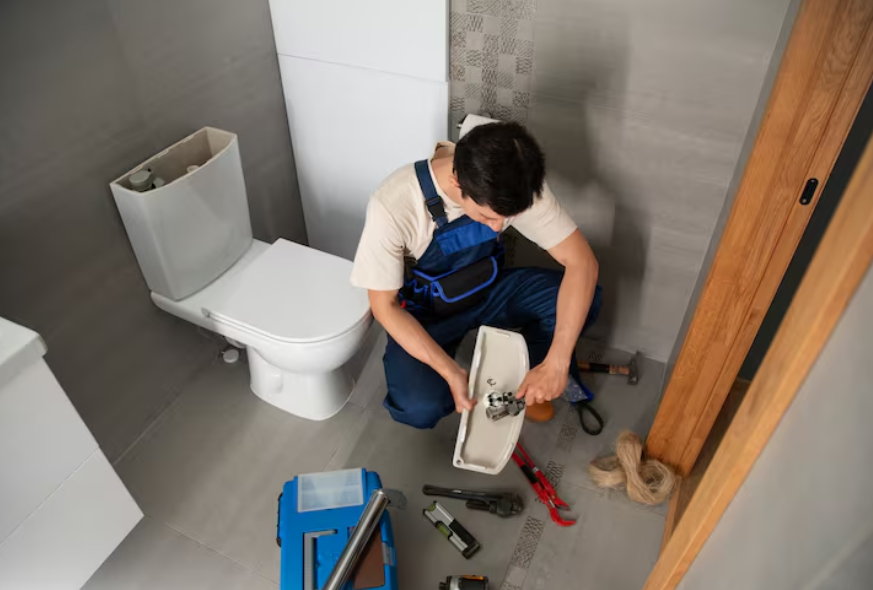
A properly functioning toilet is one of the most important parts of any home or commercial bathroom. Although toilets are designed to provide years of dependable service, problems can develop over time because of aging components, heavy use, mineral buildup, leaks, or improper installation. When these issues occur, professional assistance can help restore proper performance and prevent small problems from becoming expensive repairs. Whether you need a toilet repair service or are planning a new toilet installation, understanding the process can help you make informed decisions about your plumbing system.
Understanding Common Toilet Problems
Toilets may experience several different problems during their lifetime. Some issues are minor, while others can indicate a more serious plumbing concern. One of the most common problems is a toilet that continues to run after flushing. This may happen because of a worn flapper, damaged fill valve, improperly adjusted float, or another faulty component. Although a constantly running toilet may appear to be a small inconvenience, it can waste a significant amount of water over time.
Another frequent issue is a clogged toilet. Occasional clogs can happen because of excessive paper or unsuitable materials being flushed. Repeated clogs, however, may suggest a deeper blockage within the drain line. Slow flushing, weak water flow, unpleasant odors, and water around the toilet base can also indicate problems that require attention.
A professional toilet repair service can inspect the fixture, identify the source of the problem, and determine whether a simple component replacement or more extensive work is necessary. Addressing problems promptly can help protect surrounding flooring and reduce the possibility of water damage.
When Toilet Repair Is the Right Choice
Repairing an existing toilet can often be a practical option when the fixture itself is still in good condition. Internal components such as flappers, fill valves, flush valves, handles, and seals can wear out without requiring the entire toilet to be replaced.
A repair may also be appropriate when the toilet has a minor leak, weak flushing performance, or an issue with the tank mechanism. Replacing individual parts can restore normal operation while extending the useful life of the fixture.
Professional repair also provides an opportunity to identify problems that may not be immediately visible. For example, a small leak around the base could result from a damaged seal, but it could also be related to an improperly secured toilet or another plumbing issue. Proper diagnosis helps ensure that the actual cause is addressed rather than simply treating the visible symptom.
Signs You May Need Toilet Replacement
Although repairs can solve many problems, there are situations where replacing the toilet makes more sense. Older toilets may use more water than modern designs and may require frequent repairs as multiple components begin to wear out.
Cracks in the porcelain are another important reason to consider replacement. A cracked toilet can leak and may become unstable, creating a risk of further damage. If the fixture frequently clogs despite repeated repairs or does not provide adequate flushing performance, replacement may provide a more reliable long-term solution.
A new toilet can also improve bathroom functionality. Homeowners may choose different heights, bowl shapes, flushing technologies, or designs depending on their needs. When selecting a replacement, it is important to consider bathroom space, plumbing configuration, water efficiency, comfort, and overall design.
What to Expect During Toilet Installation
A professional toilet installation involves more than simply placing a new fixture on the floor. The existing toilet must first be removed carefully, and the surrounding area should be inspected for signs of leakage or damage. The plumbing connection and mounting area should be checked before the new fixture is positioned.
The new toilet needs to be properly aligned and securely attached. A suitable seal must be installed between the toilet and the drain connection to help prevent leaks and odors. The supply connection must also be properly secured so that water can enter the tank without leaking.
After installation, the toilet should be tested several times. Flushing helps confirm that water flows correctly through the fixture and drain. The installer can also check around the base and supply connection for signs of leakage. Proper testing is an important part of completing a successful installation.
Choosing the Right Toilet for Your Bathroom
Toilets are available in many styles and configurations, so choosing the right model requires consideration of several factors. Standard-height toilets work well for many households, while comfort-height models may be easier for some users to sit down and stand up from.
The size and layout of the bathroom are also important. A toilet that is too large for a small bathroom can make the space feel crowded. Bowl shape and tank design can affect how much room the fixture occupies.
Water efficiency is another consideration. Efficient toilets can provide effective flushing while using less water per flush. Homeowners should also consider maintenance requirements, replacement part availability, appearance, and compatibility with existing plumbing.
Benefits of Professional Plumbing Assistance
Working with an experienced professional can make toilet-related projects more convenient and dependable. A qualified technician can identify the source of a malfunction, recommend appropriate repairs, and perform installation according to the requirements of the plumbing system.
Professional assistance can also reduce the risk of common installation mistakes. An improperly positioned toilet, loose connection, damaged seal, or inadequate testing can result in leaks and additional problems. Careful installation helps ensure that the fixture operates properly from the beginning.
For repairs, professional service can save time by identifying the faulty component instead of replacing parts unnecessarily. This can be particularly useful when a toilet has multiple symptoms or when the underlying plumbing is difficult to access.
Preventing Future Toilet Problems
Regular maintenance can help keep a toilet working efficiently. Avoid flushing items that are not designed to pass through the plumbing system. Keep the area around the toilet clean and periodically check for moisture around the base and supply connection.
It is also useful to pay attention to changes in flushing performance. A toilet that begins flushing slowly, running continuously, or requiring repeated plunging may need attention before the problem becomes more serious.
Homeowners should also avoid using excessive force on handles or other components. Simple habits can reduce unnecessary wear and help extend the life of the fixture.
Repair or Installation: Making the Right Choice
The decision between repair and replacement depends on the condition, age, performance, and overall value of the existing toilet. If the fixture is structurally sound and the problem involves a replaceable component, repair may be sufficient. If the toilet is cracked, outdated, inefficient, or repeatedly experiencing problems, replacement may be a better long-term solution.
A professional evaluation can help determine which option is appropriate. Whether the project involves a toilet repair service or a complete toilet installation, careful workmanship can help maintain a clean, comfortable, and functional bathroom.
A reliable toilet is something most people do not think about until something goes wrong. Prompt attention to leaks, clogs, running water, and flushing problems can protect the plumbing system and surrounding areas. When replacement becomes necessary, professional installation can help ensure the new fixture is securely connected and ready for dependable daily use. With proper maintenance and professional care, a bathroom toilet can continue providing reliable performance for many years.

 English
 Arabic
 French
 Portuguese
 Deutsch
 Turkish
 Dutch
Dutch
 Italiano
 Russian
 Romaian
 Portuguese (Brazil)
 Greek
Greek