


Improve Your Lawn’s Health With Professional Lawn Aeration
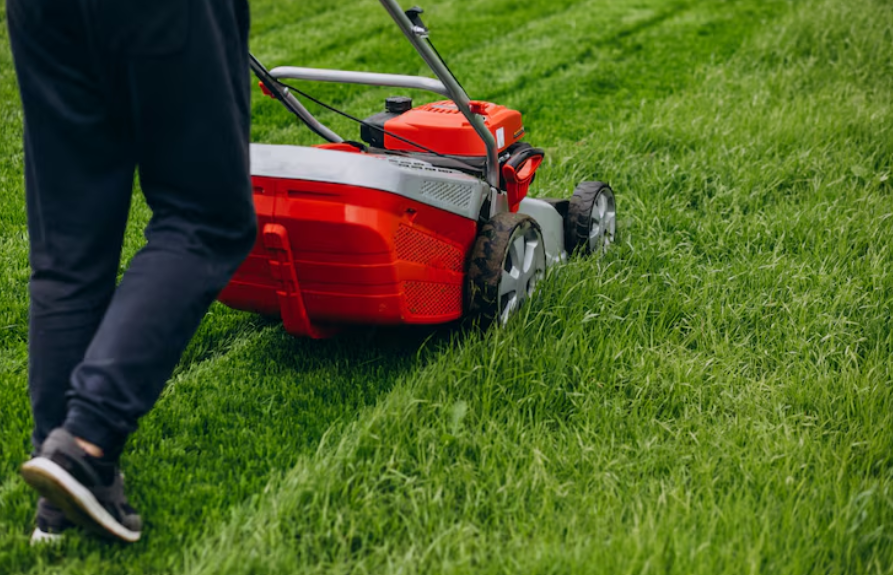
A healthy, green lawn requires more than regular mowing and watering. Over time, soil can become compacted, making it difficult for air, water, and nutrients to reach grass roots. When this happens, grass may become thin, weak, dry, or patchy. Lawn aeration is an effective way to improve soil conditions and create a healthier environment for strong root development. Professional lawn aeration services can help homeowners address compacted soil and give their lawns the support they need to grow thicker and more resilient.
What Is Lawn Aeration?
Lawn aeration is the process of creating small openings in the soil to reduce compaction and improve the movement of air, water, and nutrients. One of the most effective methods is core aeration, which removes small plugs of soil from the lawn. These openings allow the roots to access essential resources while giving the soil more room to support healthy growth.
Soil compaction can happen naturally through foot traffic, outdoor activities, pets, heavy equipment, and regular use of the lawn. Clay-heavy soils are particularly vulnerable because they can become dense and difficult for roots to penetrate. Aeration helps loosen these conditions and encourages better interaction between the soil and grass roots.
Why Soil Compaction Can Harm Your Lawn
Compacted soil creates several challenges for grass. When soil particles are pressed too closely together, there is less space for air and water to move through the ground. Grass roots may struggle to grow deeply, leaving the lawn more vulnerable to heat, drought, and everyday stress.
Water may also run across the surface instead of soaking into the soil. This can contribute to runoff and uneven moisture distribution. Even when a lawn receives regular watering and fertilization, compacted soil can prevent these resources from reaching the root zone effectively.
Professional lawn aeration services can help break up compacted areas and improve the overall growing environment. By creating pathways through the soil, aeration supports better root access to water, oxygen, and nutrients.
Benefits of Professional Lawn Aeration
One of the primary benefits of aeration is improved root development. When roots have more room to expand, they can establish themselves more effectively in the soil. Stronger roots often contribute to thicker and healthier grass.
Aeration can also improve water absorption. Instead of remaining primarily on the surface, water has additional pathways into the soil. This can help distribute moisture more evenly throughout the root zone.
Another benefit is improved nutrient access. Fertilizers and organic materials can move into the soil more effectively when compacted layers are opened. This allows grass roots to make better use of available nutrients.
Aeration may also help reduce thatch-related problems. A moderate layer of thatch can be beneficial, but excessive thatch can interfere with water and nutrient movement. Opening the soil provides additional pathways for moisture and air while supporting healthier lawn conditions.
When Should You Aerate Your Lawn?
The ideal time for aeration depends on the type of grass growing in your yard. Cool-season grasses generally benefit from aeration during periods when they are actively growing and can recover efficiently. Warm-season grasses are often aerated during their active growing season.
Timing is important because aeration creates temporary openings and disturbs the soil surface. The grass should have enough favorable growing conditions to recover and take advantage of the improved soil environment.
Weather and soil conditions should also be considered. Aerating extremely dry or excessively wet soil may not produce the desired results. A professional can evaluate the lawn and determine when conditions are appropriate.
Signs Your Lawn May Need Aeration
Several signs can indicate that your lawn could benefit from aeration. One common sign is poor water absorption. If water tends to collect on the surface or run away quickly instead of soaking into the ground, soil compaction may be contributing to the problem.
Thin or patchy grass can also indicate restricted root growth. Areas that receive heavy foot traffic may become especially compacted and show signs of stress.
If the lawn feels unusually hard underfoot, the soil may be compressed. Another indication is grass that struggles to respond to watering and fertilization despite receiving regular care.
Working with experienced lawn aeration contractors can make it easier to identify these conditions and select an appropriate aeration method.
Choosing Professional Lawn Aeration Contractors
Not every lawn has the same soil structure, grass type, or maintenance requirements. Professional lawn aeration contractors can assess the condition of the lawn before beginning the work. This helps ensure that aeration is performed according to the specific needs of the property.
When choosing a contractor, homeowners should consider experience, equipment, service quality, and attention to detail. A professional approach can help avoid unnecessary disturbance while ensuring that compacted areas receive adequate treatment.
It is also useful to discuss the lawn's history. Information about previous treatments, irrigation, fertilization, mowing practices, and areas of heavy traffic can help contractors understand why the lawn may be struggling.
Preparing Your Lawn for Aeration
Proper preparation can help make aeration more effective. The lawn should generally have adequate moisture so that the equipment can penetrate the soil properly. However, the ground should not be excessively saturated.
Homeowners may also want to mark irrigation components, lighting fixtures, invisible pet fences, or other items located below the surface. This provides important information for the person performing the aeration and helps protect underground features.
A professional contractor can provide specific preparation instructions based on the lawn and equipment being used.
Aeration and Other Lawn Care Practices
Aeration works particularly well as part of a broader lawn care routine. After aeration, grass may be better positioned to benefit from appropriate watering, fertilization, overseeding, and regular mowing.
For lawns with thin areas, aeration can be combined with overseeding when seasonal conditions are suitable. The openings created during aeration provide opportunities for grass seed to make contact with the soil.
Watering should also be managed carefully. Newly aerated soil can absorb moisture more effectively, but excessive watering can create other problems. A balanced maintenance routine can help maintain the improvements achieved through aeration.
Why Regular Aeration Matters
A single aeration treatment can improve soil conditions, but lawns may become compacted again over time. Heavy traffic, weather conditions, pets, outdoor activities, and soil characteristics can all contribute to renewed compaction.
For this reason, some properties may benefit from periodic aeration as part of their long-term lawn care plan. The appropriate frequency depends on soil type, grass variety, lawn usage, and overall conditions.
Experienced lawn aeration contractors can help homeowners determine an appropriate schedule instead of relying on a one-size-fits-all approach.
Creating a Stronger Lawn From the Soil Up
A beautiful lawn starts beneath the surface. Healthy roots need access to air, water, and nutrients, and compacted soil can interfere with all three. Aeration helps create pathways that support improved soil conditions and encourage stronger root development.
Professional lawn aeration services can provide an efficient way to address compacted soil and improve the foundation of a lawn. Whether the property experiences heavy foot traffic or simply needs better soil circulation, aeration can become an important part of a complete lawn care strategy.
By choosing qualified lawn aeration contractors and combining aeration with proper mowing, watering, fertilization, and seasonal maintenance, homeowners can create better conditions for their grass. With consistent care and attention to the soil beneath the surface, a lawn can become healthier, thicker, and better prepared to handle everyday environmental stress.

 English
 Arabic
 French
 Spanish
 Portuguese
 Deutsch
 Turkish
 Dutch
Dutch
 Italiano
 Russian
 Portuguese (Brazil)
 Greek
Greek