


How to Choose the Right Materials for a Bathroom Remodel in San Diego
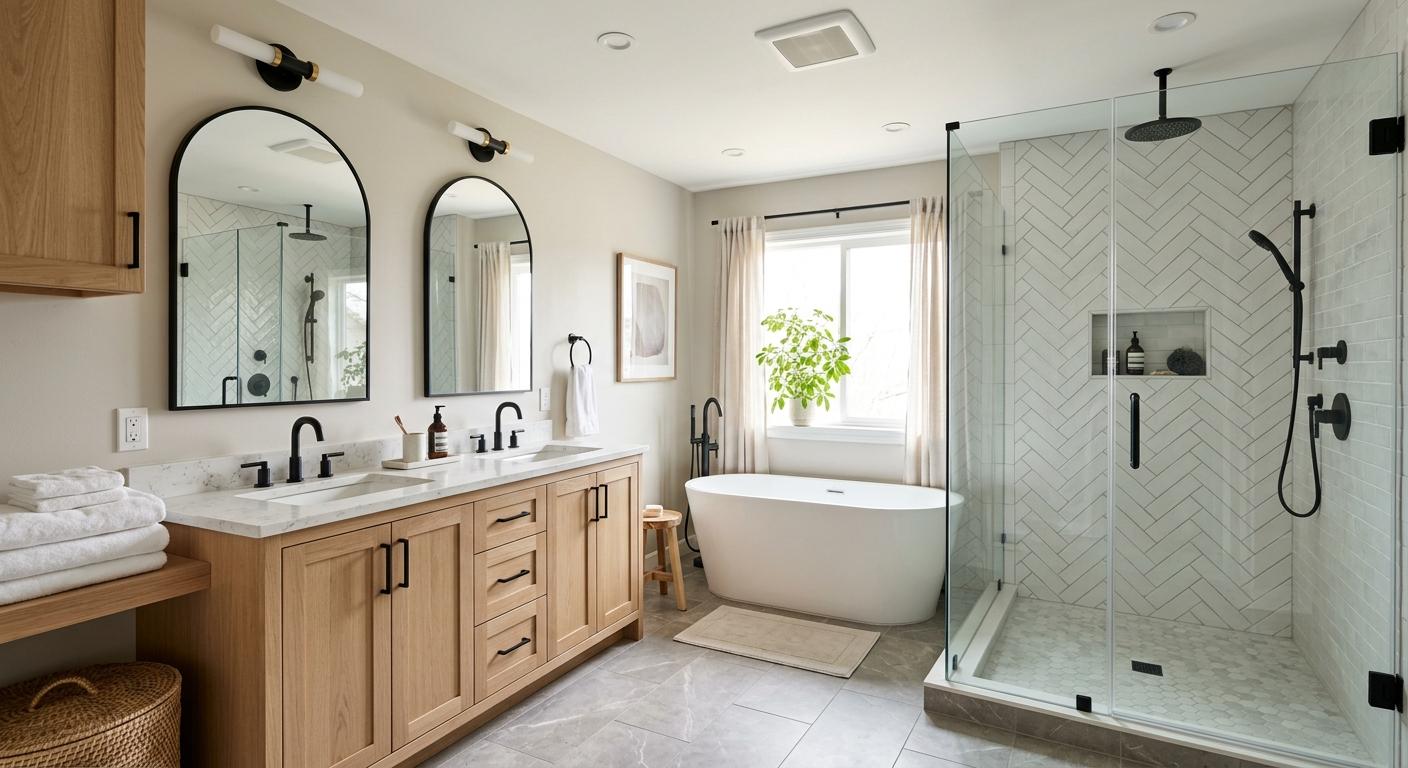
Introduction
Choosing materials is one of the most important parts of a bathroom renovation. The right selections need to look good, fit the design, handle moisture, and remain practical for everyday use. With so many choices available for flooring, tile, countertops, cabinetry, fixtures, and shower surfaces, it can be easy to focus only on appearance.
A better approach is to consider how each material will perform in the environment where it will be installed. By comparing durability, maintenance, moisture resistance, cost, and style before making decisions, homeowners can create a bathroom that is attractive without sacrificing functionality.
Start With Your Bathroom's Needs
Before visiting a showroom or ordering materials, identify what the bathroom needs. A family bathroom used several times a day may require different materials from a guest bathroom that receives occasional use.
Consider who will use the space, how much moisture it receives, how much maintenance you are comfortable with, and how long you want the materials to last. These factors can narrow down your choices and prevent you from spending money on features that do not provide meaningful benefits.
It is also important to consider the existing structure. If the project includes changes to the layout, plumbing, or shower area, material decisions should be made alongside the overall remodeling plan.
Choose Flooring for Safety and Durability
Bathroom flooring has to deal with water, humidity, spills, cleaning, and regular foot traffic. For this reason, appearance should not be the only consideration.
Porcelain and ceramic tile are popular choices because they are available in many colors, patterns, and textures. Porcelain is particularly useful in moisture-prone areas because of its low water absorption. Waterproof luxury vinyl can also be an option for homeowners who prefer a warmer and softer surface underfoot.
Slip resistance deserves special attention, especially in areas that regularly become wet. Smaller tiles can also be useful in shower areas because their additional grout lines can provide more traction while allowing the floor to follow the slope toward the drain.
Select Shower Materials Carefully
The shower is one of the most moisture-intensive parts of the bathroom, so materials used here need to be selected with extra care. Wall and floor surfaces should be appropriate for wet environments, but the tile itself should not be considered the complete waterproofing system.
A properly installed waterproofing layer behind the finished surface helps protect the structure from water intrusion. The EPA also recommends addressing wet walls and floors during bathroom remodeling so water does not penetrate building cavities.
For homeowners planning a bathroom remodel San Diego project, asking how the shower will be waterproofed before choosing the finished tile can help prevent problems later.
Consider Tile Size and Design
Tile is one of the most visible materials in a bathroom, so it has a significant impact on the overall design. Large-format tiles can create a clean, spacious appearance and reduce the number of grout lines. Smaller tiles and mosaics can add texture and work particularly well on shower floors or as decorative accents.
Think about the size of the room when choosing patterns. Busy designs can overwhelm a small space, while a simple pattern may look more balanced. You can also combine different tile sizes while keeping the colors within the same design palette.
Choose Countertops Based on Maintenance
Bathroom countertops need to withstand water, cosmetics, cleaning products, and everyday use. Quartz is a popular option because it provides a consistent appearance and is relatively easy to maintain.
Natural stone can also create an attractive, high-end appearance, but some varieties are more porous and may require sealing and additional care. Before selecting stone, ask about its maintenance requirements and how well it performs in bathroom conditions.
The countertop should also work with the vanity, flooring, wall tile, and fixtures. Choosing every material separately can result in a space that feels visually disconnected.
Select Cabinets That Match Your Lifestyle
Bathroom cabinetry should provide enough storage while standing up to the room's moisture levels. Look for quality construction and finishes that are suitable for bathroom environments.
Think about what you actually need to store. Drawers may make smaller items easier to access, while larger cabinets can accommodate towels and cleaning supplies. If floor space is limited, a wall-mounted vanity or recessed storage can provide functionality without making the room feel crowded.
A good cabinet choice should balance appearance, storage capacity, durability, and available space.
Pay Attention to Fixtures
Faucets, showerheads, toilets, and other fixtures are used every day, so quality and compatibility matter. Select fixtures that fit the size of the bathroom and work with the plumbing configuration.
Water efficiency can also be considered when choosing fixtures. A design that looks attractive but is difficult to use or maintain may become frustrating over time.
Hardware should complement the overall design without requiring every finish to match perfectly. Coordinating the major finishes can create a more intentional appearance.
Think About Moisture and Ventilation
Even moisture-resistant materials need a bathroom environment where humidity is properly controlled. Good ventilation helps remove moisture from the air and can reduce the conditions that contribute to mold and mildew.
The EPA recommends ensuring that bathroom exhaust fans function properly and exhaust air directly outdoors rather than into an attic or another enclosed space.
This is why ventilation should be considered during material selection and remodeling planning. A beautiful bathroom can still develop problems if moisture is not properly managed.
Compare Maintenance Requirements
Two materials may look similar but require very different levels of maintenance. Before making a final choice, find out whether the material needs regular sealing, special cleaning products, or other ongoing care.
For example, some natural stones require periodic sealing, while other surfaces may require less maintenance. Grout also deserves attention because its appearance and condition can affect the overall look of tiled surfaces.
Choosing materials that fit your willingness to maintain them can make the bathroom easier to live with over the long term.
Balance Quality With Your Budget
It is not necessary to choose the most expensive material for every part of the bathroom. Instead, determine where quality matters most.
You may want to prioritize waterproofing, flooring, shower construction, and frequently used fixtures while using more budget-friendly options for decorative features. Spending strategically can help you achieve a high-quality result without allowing one material to consume too much of the remodeling budget.
A remodeling professional can also help identify where different material options make sense based on your project requirements.
Work With an Experienced Remodeling Team
Material selection becomes easier when you have professional guidance. An experienced remodeling team can explain how different products will work with the existing bathroom and identify installation requirements before materials are ordered.
If you are planning to remodel bathroom San Diego homeowners should consider the contractor's experience, licensing, insurance, communication, and approach to project management before making a decision.
Professional input can also help prevent compatibility problems, such as selecting a material that looks suitable but is not appropriate for a particular wet area.
Final Thoughts
Choosing bathroom materials is about more than creating an attractive design. Flooring, tile, countertops, cabinets, fixtures, and shower materials all need to work together while handling moisture and everyday use.
Start with the practical requirements, compare maintenance and durability, and then narrow your choices based on style and budget. With careful planning and appropriate installation, the materials you choose can help create a bathroom that remains comfortable, functional, and attractive for years to come.

 English
 Arabic
 French
 Spanish
 Portuguese
 Deutsch
 Turkish
 Dutch
Dutch
 Italiano
 Russian
 Portuguese (Brazil)
 Greek
Greek