


No. 57 Stone and Crusher Run Driveway: Choosing the Right Material for Your Project
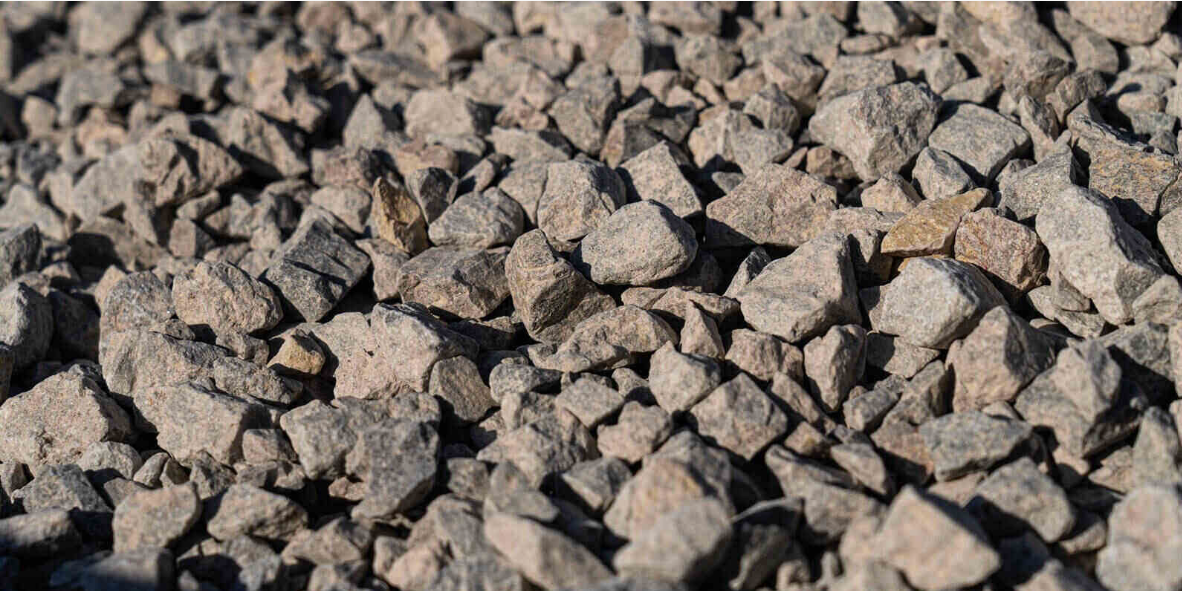
Choosing the right stone is one of the most important decisions when planning a gravel driveway. The material you select affects the driveway’s appearance, drainage, stability, maintenance needs, and long-term performance. Two popular options are No. 57 stone and crusher run driveway material. While both are commonly used for residential and construction projects, they serve different purposes and perform differently when used as a driveway surface.
Understanding the differences between these materials can help homeowners, contractors, and property owners choose the right solution for their specific needs.
What Is No. 57 Stone?
No. 57 stone is a commonly used crushed stone product made from larger pieces of rock that have been processed and screened to a relatively uniform size. The stones are generally clean, meaning they contain very little fine dust or stone powder.
Because of its open structure, No. 57 stone allows water to move through the spaces between individual stones. This makes it particularly useful in applications where drainage is important.
No. 57 stone is often used around drainage systems, behind retaining walls, beneath concrete slabs, and in landscaping projects. It can also be used for driveways, paths, and parking areas, especially when good drainage is a priority.
However, the relatively uniform shape and lack of fine particles mean that No. 57 stone does not compact as tightly as materials containing a mixture of stone sizes.
What Is a Crusher Run Driveway?
A crusher run driveway uses a blend of crushed stone and stone dust or fines. The material contains different particle sizes, from larger pieces down to very small particles. This combination allows the material to lock together tightly when compacted.
Crusher run is popular for driveways because it creates a firm, stable surface. The larger stones provide structure while the smaller particles fill the gaps between them. With proper grading and compaction, the result can be a durable driveway that handles regular vehicle traffic.
Crusher run is also commonly used as a base material underneath asphalt, concrete, pavers, and other surfaces.
No. 57 Stone vs. Crusher Run
Although No. 57 stone and crusher run can both be used around driveways, their characteristics are different.
No. 57 stone is generally better when drainage is the primary concern. Its open spaces allow rainwater to pass through the material instead of collecting on the surface.
Crusher run is generally better when you need a compact, stable surface. Its combination of different stone sizes allows it to bind together more effectively.
For this reason, many driveway projects can benefit from using both materials. Crusher run can provide a strong compacted base, while No. 57 stone can be used as a top layer or in areas where drainage is especially important.
Building a Durable Gravel Driveway
A successful gravel driveway begins with proper preparation. Simply spreading stone over grass or soil may provide a temporary driving surface, but it is unlikely to perform well over the long term.
The first step is to prepare the area by removing vegetation, organic material, and unsuitable soil. Depending on the site, excavation may be necessary to create enough depth for the driveway base and surface material.
Proper grading is also important. A driveway should be shaped so water can drain away rather than remaining in low spots. Poor drainage can lead to puddles, erosion, potholes, and shifting stone.
After the ground is prepared, a suitable base material can be installed. Crusher run is often useful for this stage because it can be compacted into a firm foundation.
The material should be spread evenly and compacted thoroughly. A compacted base reduces movement and helps the driveway withstand vehicle traffic.
When Should You Choose No. 57 Stone?
No. 57 stone may be a good choice when drainage is a major consideration. For properties that experience frequent rainfall or areas where water needs to move away from the driveway, its open structure can be helpful.
It can also provide a clean, attractive appearance. The relatively uniform stones create a more decorative look than some mixed gravel products.
No. 57 stone can work well around driveways, walkways, drainage areas, and parking spaces. However, homeowners should understand that loose stone can move under tires, particularly on slopes or areas with frequent turning.
Using edging or a properly prepared base can help keep the stone contained.
When Should You Choose Crusher Run?
A crusher run driveway is often a practical choice when stability and compaction are the main priorities. Because the material contains both larger stone and fine particles, it can form a dense surface after compaction.
Crusher run is especially useful for driveways that receive regular vehicle traffic. It can also be an economical choice for creating a strong driveway foundation.
Proper installation still matters. If the ground beneath the driveway is soft, poorly drained, or improperly graded, even a good crusher run surface can eventually develop problems.
The Importance of Drainage
Regardless of which material you choose, drainage should be considered before installation.
Water is one of the biggest causes of gravel driveway problems. When water becomes trapped beneath the surface, it can weaken the soil and cause the driveway material to shift. Heavy rainfall can also wash gravel away.
A properly crowned or sloped driveway helps direct water toward suitable drainage areas. Ditches, swales, culverts, or drainage systems may be necessary depending on the property.
No. 57 stone can help in areas where water needs to move through the stone, while crusher run can provide a dense, stable surface. The best combination depends on soil conditions, slope, rainfall, and expected traffic.
Maintenance for Gravel Driveways
Even a well-installed driveway requires occasional maintenance. Vehicle traffic can create ruts, depressions, and areas where gravel becomes displaced.
Regular inspection makes it easier to identify small problems before they become expensive repairs. Ruts can be filled with additional material and compacted. Low areas may need to be regraded to improve drainage.
For a crusher run driveway, occasional grading and additional material may be needed as the surface wears. No. 57 stone may also need to be redistributed or replenished if it becomes displaced.
Keeping vegetation from taking over the driveway edges can also improve its appearance and performance.
Choosing the Right Material for Your Property
The best driveway material depends on several factors, including soil conditions, drainage, traffic, slope, budget, and appearance.
If you want a dense, compacted driveway surface, crusher run can be an excellent option. If drainage is a major concern, No. 57 stone may offer advantages. In many cases, combining different materials provides the best overall result.
Before purchasing stone, it is helpful to determine how much material the project requires. Measurements of driveway length, width, and desired depth can be used to estimate the volume needed.
Working with an experienced gravel supplier or contractor can also help you determine the appropriate material and installation method for your property.
Final Thoughts
Both No. 57 stone and a crusher run driveway can be useful choices for residential and commercial projects, but they are designed with different characteristics in mind. No. 57 stone offers excellent drainage and a clean appearance, while crusher run provides strong compaction and stability.
For the best long-term performance, the driveway should be properly excavated, graded, drained, installed, and compacted. Choosing the right combination of materials based on the property’s conditions can create a driveway that is attractive, functional, and capable of handling everyday traffic for years to come.

 English
 Arabic
 French
 Portuguese
 Deutsch
 Turkish
 Dutch
Dutch
 Italiano
 Russian
 Romaian
 Portuguese (Brazil)
 Greek
Greek