


How to Improve Student Outcomes Through Intentional Collaboration
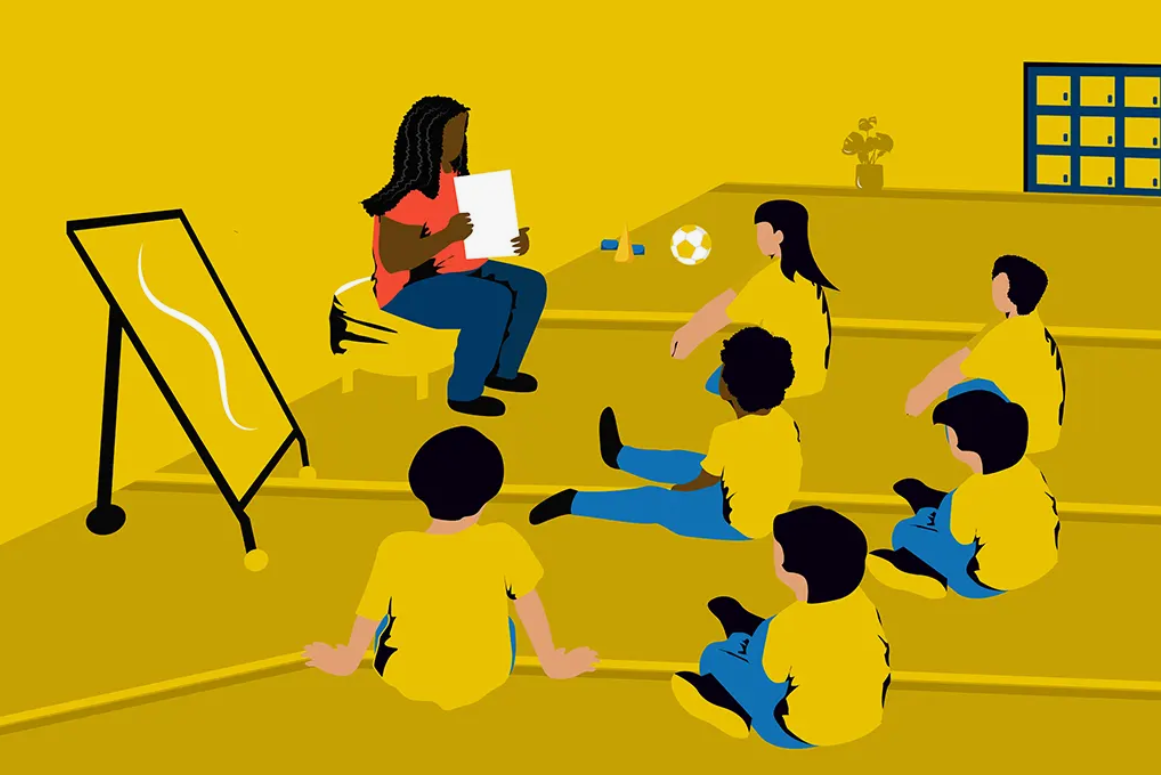
Improving student outcomes is a shared responsibility. Teachers, school leaders, families, counselors, and students all contribute to creating an environment where learning can happen effectively. While individual teaching strategies matter, schools can make an even greater difference when educators work together with a clear purpose. This is where intentional collaboration becomes valuable.
Intentional collaboration is more than simply holding meetings or sharing resources. It means educators work together around specific goals, use meaningful information to guide their decisions, and focus their efforts on helping students succeed. When collaboration is planned and connected to student needs, it can help schools create stronger learning experiences and improve student outcomes.
What Is Intentional Collaboration?
Intentional collaboration is a purposeful approach to teamwork. Instead of collaborating simply because a meeting is scheduled, teachers and education professionals identify a specific need or goal and work together to address it.
For example, a group of teachers may notice that students are struggling with reading comprehension. Rather than each teacher trying to solve the problem independently, they can examine student work, discuss instructional strategies, share successful approaches, and develop a common plan.
This type of collaboration has a clear focus. Participants know what they are trying to accomplish, what information they need, and how they will determine whether their efforts are making a difference.
Why Collaboration Matters for Student Success
Students benefit when the adults supporting their education communicate effectively. A student may interact with several teachers, counselors, administrators, and support professionals during a school year. If these individuals work separately without sharing information, students may receive inconsistent expectations or support.
Intentional collaboration helps create greater consistency.
Teachers can share observations about student strengths and challenges. They can discuss classroom performance, attendance patterns, engagement, and areas where additional support may be needed. This shared understanding allows educators to respond more effectively.
Collaboration can also help identify problems earlier. When teachers regularly discuss student progress, they may notice learning gaps before those gaps become more difficult to address.
Using Student Data With Purpose
One important part of intentional collaboration is using information to guide decisions. Student data can include assessment results, classroom assignments, attendance information, participation, and other evidence of learning.
However, data should not simply be collected and stored. Educators need to discuss what the information means and determine how it can inform instruction.
For example, if several students are having difficulty with a particular mathematical concept, teachers can examine their work to identify common misunderstandings. The team can then consider different instructional approaches and decide how to provide additional practice.
The goal is not to focus only on numbers. Student information should help educators understand learning needs and make thoughtful instructional decisions.
Creating Shared Goals
Effective collaboration works best when everyone understands the goal.
A school team might establish a goal such as improving reading comprehension, increasing student engagement, strengthening writing skills, or helping students become more confident independent learners.
Once a goal is established, educators can determine what actions are needed. They can decide which strategies to try, who will be responsible for different tasks, and when progress will be reviewed.
Shared goals also make collaboration more focused. Instead of discussing many unrelated topics, educators can spend their time working on issues that directly affect student learning.
Building a Culture of Professional Learning
Intentional collaboration can strengthen teachers as well as students. Educators bring different experiences, skills, and perspectives to their work. When they have opportunities to learn from one another, they can discover new approaches to teaching.
A teacher who has developed an effective strategy for encouraging classroom participation can share that approach with colleagues. Another teacher may have experience supporting struggling readers or using technology to make lessons more interactive.
This exchange of ideas creates a culture where professional learning becomes part of everyday school life.
Collaboration does not mean every teacher has to use exactly the same methods. Instead, it creates opportunities to discuss what works, consider alternatives, and adapt strategies to different students.
Making Collaboration Practical
For collaboration to be effective, schools need to make it manageable. Teachers already have many responsibilities, so meetings should have a clear purpose.
A productive collaboration session might include four basic steps:
- Identify the student need.
- Review relevant information.
- Discuss possible strategies.
- Agree on specific next steps.
The team can then return to the issue later and review what happened.
This cycle helps turn collaboration into action. Without follow-up, even a productive discussion may have little impact on student outcomes.
Including Student Voice
Students should also have a role in the process. They experience the learning environment directly and can provide valuable information about what helps or prevents them from learning effectively.
Teachers can ask students about their learning preferences, challenges, goals, and experiences. Simple conversations, reflections, surveys, and student conferences can provide useful insights.
When students understand their goals and participate in discussions about their progress, they may become more engaged in the learning process.
Student voice can also help educators avoid making assumptions. What appears to be a motivation problem, for example, may actually involve confusion about an assignment, lack of confidence, or difficulty understanding the material.
Strengthening Family Partnerships
Intentional collaboration can extend beyond the school. Families are important partners in supporting student learning.
Regular and clear communication can help families understand academic goals, classroom expectations, and areas where students may need additional support. Families can also share information that helps educators better understand a student's interests, strengths, and needs.
Strong school-family communication should be respectful and focused on solutions. The purpose is to create a partnership around the student's development rather than simply communicating when a problem occurs.
Measuring Progress
To improve student outcomes, schools need to know whether their efforts are working. This does not always require complicated measurement systems.
Educators can compare student work over time, review assessment results, monitor participation, or look at other meaningful indicators connected to their goals.
The important point is to use evidence to guide the next step. If a strategy is helping, educators can continue or expand it. If progress is limited, the team can reconsider its approach and try something different.
This creates a continuous improvement process rather than a one-time intervention.
Overcoming Barriers to Collaboration
Collaboration can face challenges. Limited time, unclear responsibilities, communication problems, and different teaching philosophies can make teamwork difficult.
Schools can address these challenges by establishing clear expectations and creating structured opportunities for collaboration. Leaders can help by protecting collaboration time and keeping meetings focused.
Trust is also essential. Teachers need to feel comfortable sharing challenges and asking for help without feeling judged. A collaborative culture develops when professionals see one another as partners working toward a common purpose.
The Long-Term Impact
When educators practice intentional collaboration consistently, the benefits can extend beyond individual lessons. Schools can develop stronger communication, more consistent support systems, and a deeper understanding of student needs.
Most importantly, collaboration can shift the focus from working in isolation to solving problems together.
Improving student outcomes is rarely the result of one strategy or one person. It is often the result of many thoughtful actions working together. Intentional collaboration provides a framework for bringing those actions together.
By setting shared goals, examining meaningful information, learning from colleagues, listening to students, involving families, and reviewing progress, educators can create a stronger foundation for student success. When collaboration has a clear purpose and remains centered on students, it becomes more than teamwork—it becomes a practical tool for improving learning.

 English
 French
 Spanish
 Portuguese
 Deutsch
 Turkish
 Dutch
Dutch
 Italiano
 Russian
 Romaian
 Portuguese (Brazil)
 Greek
Greek