


Pediatric Bone Marrow Transplant in India: A Guide
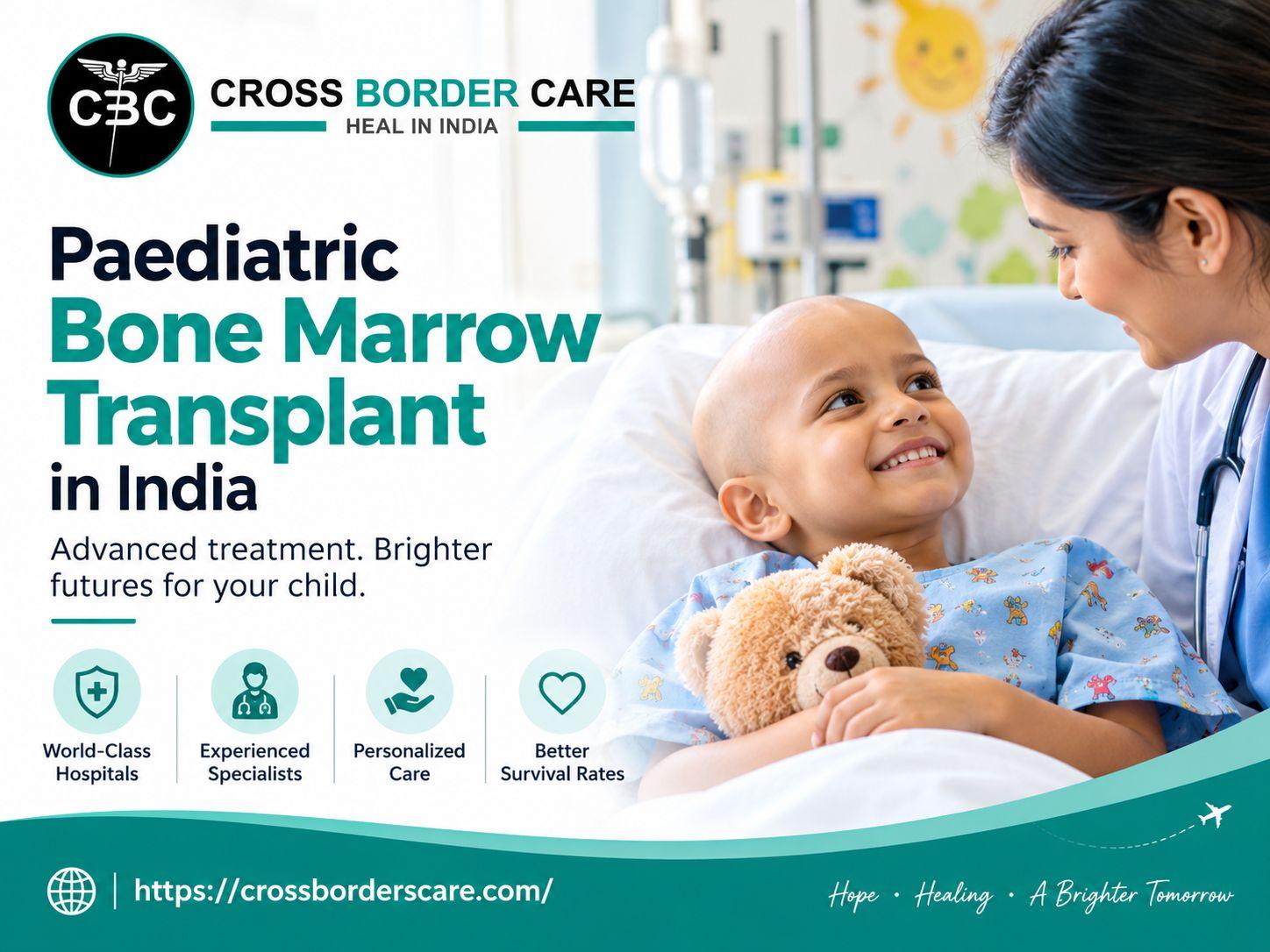
A bone marrow transplant, also called hematopoietic stem cell transplantation (HSCT), can be an important treatment option for children with certain blood cancers, bone marrow disorders, immune deficiencies, and inherited blood conditions. Choosing the right transplant centre involves more than comparing hospital names. Families need to consider the transplant team’s experience, pediatric facilities, donor options, infection-control practices, supportive care, and the overall treatment plan.
For families exploring bone paediatric marrow transplant surgery in India, India offers specialized hospitals with pediatric hematology and stem cell transplantation services. Cross Borders Care helps international patients and their families understand treatment options, hospital processes, documentation, and other practical aspects of seeking care in India.
What Is Pediatric Bone Marrow Transplantation?
A bone marrow transplant replaces unhealthy or damaged blood-forming stem cells with healthy stem cells. Depending on the medical condition, the stem cells may come from the child or from a donor.
The procedure may be considered for conditions such as leukemia, lymphoma, aplastic anemia, thalassemia, certain inherited immune disorders, and other diseases affecting blood formation or the immune system.
Treatment is highly individualized. A pediatric transplant specialist generally evaluates the child’s diagnosis, age, disease status, previous treatment, overall health, and availability of a suitable donor before recommending transplantation.
- Jaypee Hospital
- Max Superspeciality Hospital (PPG)
- Manipal Hospital
- Metro Hospital
- Asian Hospital
- Sarvodhya Hospital
- Marengo Asia Hospital (Faridabad)
- Accord Hospital
- Shalby Sanar Hospital
- Aakash Hospital
- Venkateshwar Hospital
- Marengo Asia Hospital (Gurugram)
Choosing a Pediatric Bone Marrow Transplant Hospital in India
Families searching for a pediatric bone marrow transplantation hospital should look beyond marketing claims. Important factors include the experience of the pediatric transplant team, availability of intensive care, blood-bank support, infection-control protocols, laboratory facilities, donor matching services, and access to specialists from related departments.
Parents may also compare hospitals based on their experience with the specific condition affecting their child. A centre experienced in pediatric leukemia, for example, may have different expertise from one that frequently treats inherited blood disorders.
Searches such as Top 10 hospitals for bone marrow transplant can provide a starting point for research, but hospital suitability should ultimately be assessed according to the child's individual medical requirements rather than a ranking alone.
Finding the Right Pediatric Transplant Specialist
The transplant physician plays an important role throughout the treatment journey. Families looking for the Best bone marrow transplant doctor in India should review the doctor’s qualifications, pediatric hematology and transplant experience, the diseases treated, hospital affiliations, and the transplant team supporting the doctor.
It is also useful to ask how the medical team manages complications such as infections, graft-versus-host disease, graft failure, and other transplant-related concerns.
For international families, Cross Borders Care can help coordinate communication and assist families in understanding the treatment pathway before they travel to India.
Pediatric Stem Cell Transplant in India
Pediatric stem cell transplant India services may include autologous transplantation, where a child’s own stem cells are used, or allogeneic transplantation, where stem cells come from a donor.
The choice depends on the underlying disease and the child's clinical circumstances. Donor selection can involve a matched sibling, an unrelated donor, or in some situations a haploidentical donor. The transplant team determines the most appropriate approach after detailed evaluation.
Before transplantation, children may undergo investigations such as blood tests, imaging, bone marrow examination, infection screening, organ-function assessment, and donor compatibility testing.
- Fortis Escorts Heart Institute (FEHI)
- RG Stone Urology & Laproscopic Hospital
- Centre For sight
- Primus Ortho & Spine
- IBS Hospital
- Amrita Hospitals Faridabad
- Indian Spinal Injuries Centre (ISIC)
- CK Birla Hospital
- Ferticity Fertility IVF Clinic
- Rainbow Children’s Hospital
- Batra Hospital
Understanding Bone Marrow Transplant Cost in India
Bone marrow transplant cost varies considerably because treatment is not a single procedure. Expenses can include donor testing, investigations, chemotherapy or conditioning, stem cell collection, transplantation, hospitalization, medicines, blood products, infection management, intensive care, and follow-up.
The final cost may also depend on the child's diagnosis, transplant type, complications, length of hospital stay, and the treatment protocol recommended by the medical team.
Families should therefore request a hospital-specific estimate after the child’s medical records have been reviewed rather than relying on a general online figure.
Why Families Consider India for Pediatric Transplant Care
India has developed specialized healthcare infrastructure serving both domestic and international patients. Families may find multidisciplinary medical teams, advanced diagnostic facilities, transplant units, and supportive services in major hospitals.
However, treatment decisions should be based on medical suitability and the advice of qualified specialists. A hospital that is appropriate for one child may not necessarily be appropriate for another.
For families travelling from another country, Cross Borers Care can provide assistance with hospital coordination, medical documentation, travel planning, accommodation guidance, and communication with healthcare providers.
Questions Parents Should Ask Before Treatment
Before selecting a transplant centre, parents can ask:
- How many pediatric transplants does the centre perform?
- Does the team regularly treat my child’s specific condition?
- What donor options are available?
- What complications may occur during or after transplantation?
- How long might hospitalization and follow-up take?
- What services are included in the estimated treatment cost?
- What follow-up care will be required after returning home?
Getting clear answers can help families understand the treatment journey and plan appropriately.
Conclusion
Pediatric bone marrow transplantation is a complex treatment that requires experienced specialists, comprehensive hospital facilities, and careful long-term follow-up. Families researching the best paediatric bone marrow transplant in Delhi or elsewhere in India should compare hospitals according to their child’s diagnosis, transplant requirements, medical team, infrastructure, and expected care pathway.
Rather than selecting a hospital solely because it appears in a “top” list, parents should discuss the case with qualified pediatric transplant specialists and obtain a personalized treatment plan.
Cross Borders Care supports families seeking pediatric medical treatment in India by helping them navigate hospital selection, medical coordination, travel arrangements, and other practical aspects of international healthcare.
- Indraprastha Apollo Hospital
- Fortis Memrial Research Institute (FMRI)
- Max Superspeciality Hospital Saket
- Artemis Hospital Gurgaon
- Medanta The Medicity
- BLK - Max Superspeciality Hospital
- Fortis Hospital - Vasant Kunj
Frequently Asked Questions
1. At what age can a child undergo a bone marrow transplant?
There is no single age limit that applies to every child. Eligibility depends on the diagnosis, disease status, overall health, organ function, donor availability, and the specialist team’s assessment.
2. How long does pediatric bone marrow transplantation take?
The overall treatment journey can extend over several weeks or longer. The duration depends on conditioning, transplantation, recovery of blood counts, complications, and the child’s response to treatment.
3. Is a donor always required?
No. Some transplant procedures use the child’s own stem cells. Other conditions require donor stem cells, with the appropriate donor determined by the transplant team.
4. What affects the success of a pediatric transplant?
Outcomes can depend on the underlying disease, disease status before transplant, donor compatibility, age, overall health, transplant type, infections, complications, and the quality of supportive care.
5. Can international children receive bone marrow transplantation in India?
International patients can seek treatment in India, subject to the hospital’s policies, medical assessment, documentation, and applicable immigration and healthcare requirements. Cross Borders Care can assist families with the coordination process.
6. What should parents do before travelling to India?
Parents should collect medical records, pathology and bone marrow reports, imaging, previous treatment details, medication lists, and relevant laboratory results. These documents can help specialists review the case before travel and advise on the next steps.
https://frendlo.com/blogs/38276/Pediatric-Bone-Marrow-Transplant-Cost-in-India

 English
 Arabic
 French
 Spanish
 Portuguese
 Deutsch
 Turkish
 Dutch
Dutch
 Italiano
 Russian
 Romaian
 Portuguese (Brazil)