


I Thought Block Blast Would Be Simple. Then the Board Started Winning.
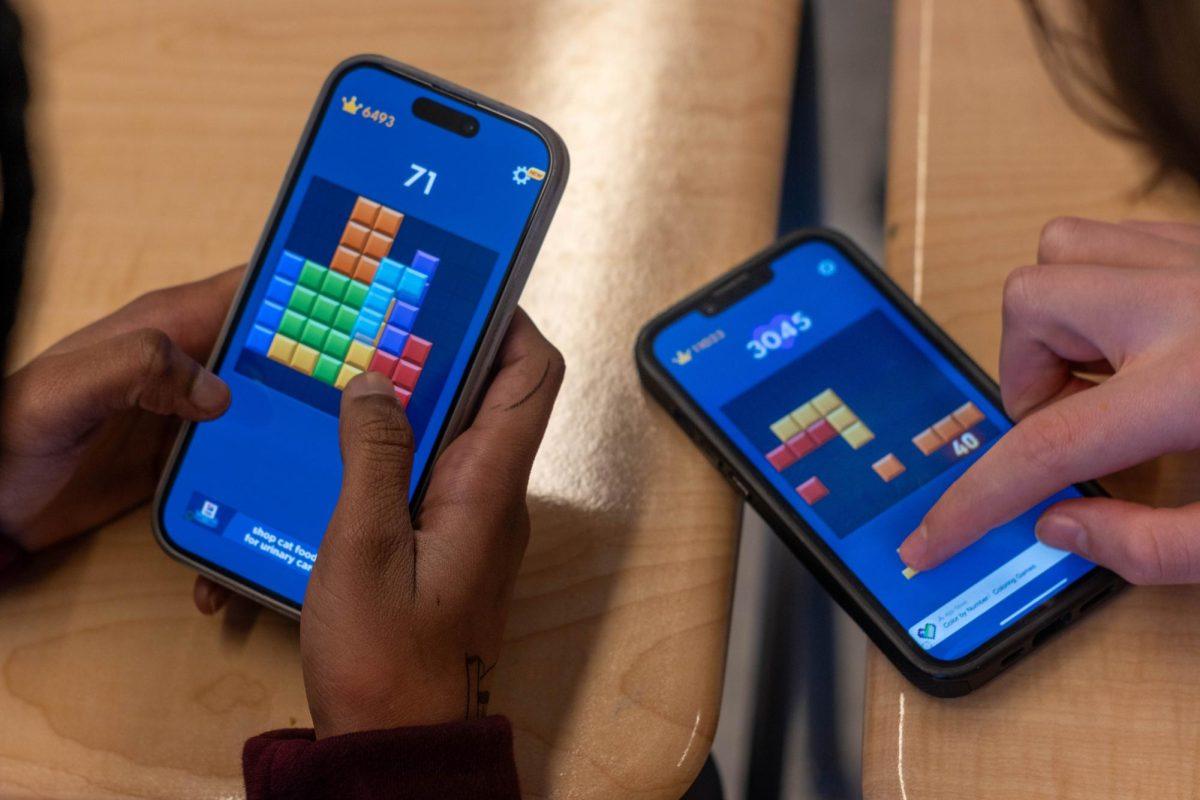
I stumbled onto Block Blast on a quiet afternoon when I just wanted something light—drag, place, clear a line, repeat. The first few turns genuinely felt like that: drop a block where it fits, watch a row or column vanish, and move on.
But after a round or two, something changed. The game stayed “simple” to look at—bright blocks, a clean grid, no stressful countdown timer—but it got surprisingly sharp at the moment the board started filling in. It’s still a block placement puzzle game, but the challenge isn’t about speed. It’s about not boxing yourself in.
Discovering Block Blast (and how fast confidence disappears)
The first thing I liked was how relaxed the browser game pace feels. There’s no timer barking at me, which means I can actually think. When I’m at my desk, or half-watching something on the side, I can take my time to decide where the piece should go.
At first, I treated each placement like it was an isolated moment: “This piece goes here. Done.” And honestly, that worked—until it didn’t.
Because in Block Blast, you don’t rotate pieces. You only get the block shapes you’re handed, in their exact orientations. So suddenly, the obvious spot you saw in your head isn’t always the best one. Sometimes the “easy” placement creates a little corner of trouble, and then you’re staring at a board that’s now full of oddly shaped gaps—like the game purposely made it harder just to see what you’ll do.
Keeping the board open is the real boss fight
Once I started noticing that the board punishes isolated empty spaces, my strategy shifted. I stopped thinking of the game as “clear lines” and started thinking of it as “protect space.”
Large open areas feel like breathing room. Small gaps feel like traps. And because the game doesn’t use falling pieces, nothing is going to drift into place for you. You’re actively shaping the grid one piece at a time, with the current set of blocks waiting at the bottom.
What surprised me most was how often one placement could clear more than one line. I’d put a block down casually, expecting a simple clear… and then, boom, it wipes out multiple rows and columns at once. Those moments are satisfying in a very real, “I accidentally did something smart” kind of way.
But those clears can also trick you. If you get too focused on chasing a quick combo, you might win a line now and lose the entire shape of the board later.
The planning moment: “I should’ve seen that coming”
There’s a particular feeling I keep running into while playing Block Blast: the moment you realize a bad decision wasn’t obvious right away.
I’ll think a move is straightforward. The piece fits. The line looks like it will clear. So I place it—then immediately I’m left with an awkward little gap that’s too small, too sideways, or just in the wrong neighborhood for whatever blocks show up next.
And that’s when planning several moves ahead starts to matter. Not in some “I’m a genius strategist” way. More like: once the board gets crowded, you start to predict how the next available pieces might struggle to reach the same region. Suddenly, you’re considering not only where the current block fits, but what it’s doing to future options.
It’s a slow shift, but it’s real. The game makes you learn the difference between reacting and preparing.
Mistakes I made (and what they taught me)
My biggest mistake was placing blocks too quickly, like the board was a puzzle that would always give me a clean solution. I also caught myself creating those tiny isolated gaps—especially near corners—thinking, “I’ll fill that later.” Spoiler: later arrives fast, and later might not come with the right piece orientation.
Another mistake: chasing a clear when it wasn’t worth the space it cost me. I’d get excited when one placement cleared lines, then realize I basically traded long-term board control for a short-term win.
What I learned from all of that is pretty simple: saving space matters more than maximizing the immediate clear. If you keep the grid friendly, the clears feel easier. If you don’t, you’ll hit that endgame where none of the currently available pieces can fit on the remaining board—and you’ll know exactly why.
A few casual tips that helped me
One, consider the available pieces as a group before you make the first move. I didn’t do this at the start, and it made me overly optimistic about what I could fix later.
Two, prioritize open areas. If you’re consistently building zones with lots of empty space, your options stay flexible when the pieces get awkward.
Three, if you see a placement that clears multiple lines, take a breath and double-check the board shape afterward. Combos feel great, but your future self will care about what you left behind.
Conclusion: come play Block Blast with me
I still start thinking Block Blast will be an easy little block puzzle game. And then, a few rounds later, I’m spending way too much time deciding where one block should go—because now I’m trying to keep the board open instead of just chasing the next clear.
If you want a casual online puzzle game that quietly becomes a real challenge, try Block Blast yourself. And if you’re the same type of player I am—someone who says “one more game” and suddenly means it—then we can compare notes after we both get caught by that awkward little gap.

 English
 Arabic
 French
 Spanish
 Portuguese
 Deutsch
 Turkish
 Italiano
 Russian
 Romaian
 Portuguese (Brazil)
 Greek
Greek