


Kundalini Yoga
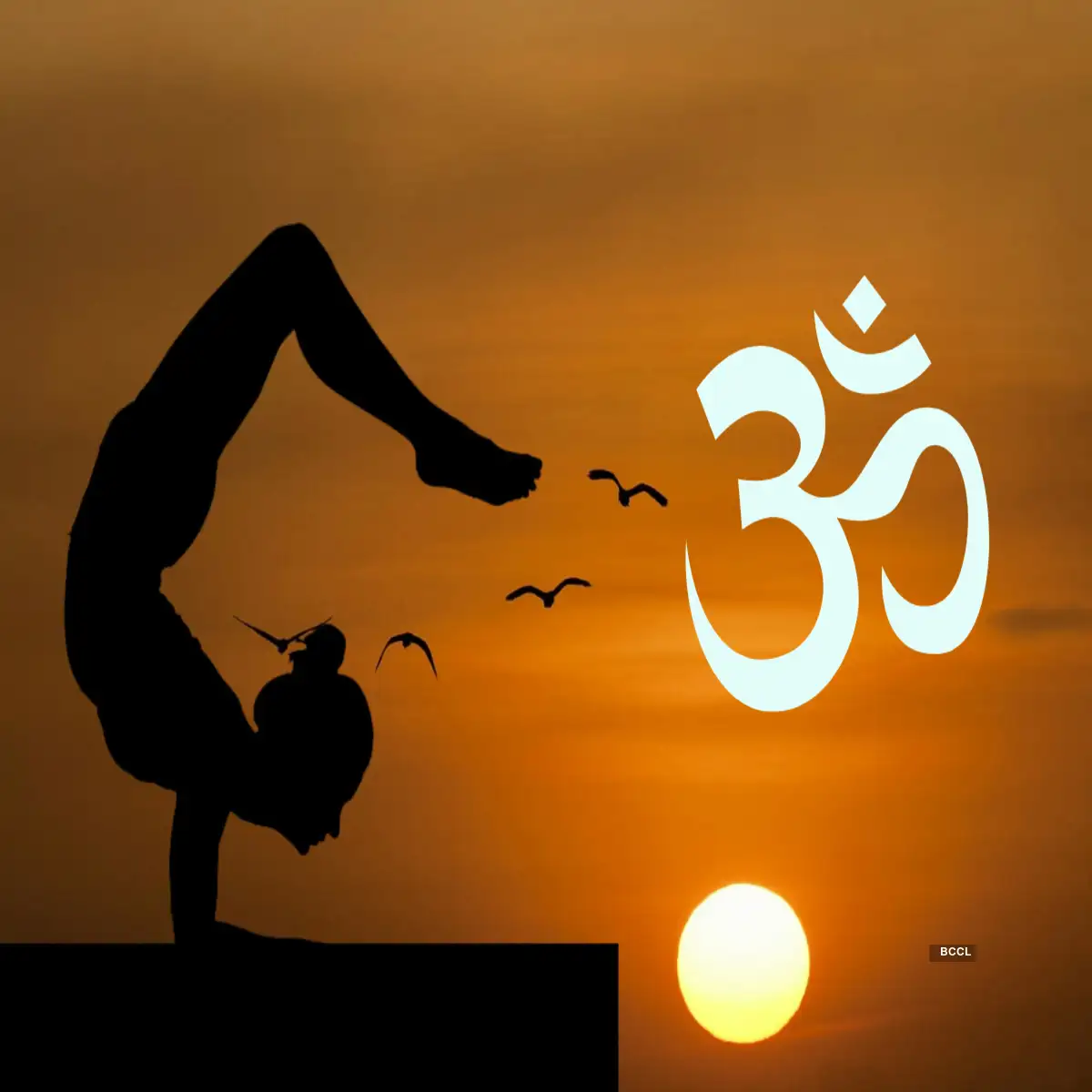
Kundalini Yoga: A Complete Guide to Its Practice and Principles
Kundalini Yoga is a traditional yoga practice that combines physical postures, conscious breathing, meditation, mantra, relaxation, and focused awareness. Unlike approaches that concentrate mainly on physical movement, Kundalini Yoga can bring together several practices within one session. This makes it an interesting option for people who want to explore yoga through movement as well as meditation and mindful attention.
The exact style and methods used in Kundalini Yoga can vary between teachers and traditions. Some sessions may include gentle movements and breathing exercises, while others may place greater emphasis on meditation, chanting, or specific sequences. For beginners, learning with an experienced instructor can make it easier to understand the techniques and practice them appropriately.
What Is Kundalini Yoga?
Kundalini Yoga is a yoga tradition that incorporates physical, breathing, meditative, and sound-based practices. A class may include asanas, pranayama, meditation, mantra, mudras, relaxation, or other techniques depending on the teaching approach.
The practice is often associated with developing awareness and concentration rather than focusing only on physical flexibility. Students may be encouraged to observe their breathing, movements, thoughts, and overall experience during practice.
It is useful to remember that Kundalini Yoga is taught differently by different schools. Therefore, anyone interested in learning should look at the particular teacher's approach and course structure before beginning.
What Does a Kundalini Yoga Session Include?
There is no single routine followed by every Kundalini Yoga teacher. However, a session may contain several common elements.
Asana Practice
Physical postures can be used to develop movement, stability, flexibility, and body awareness. The exercises may range from simple positions to more challenging sequences.
Beginners should focus on appropriate technique and comfortable movement rather than trying to copy advanced practitioners.
Pranayama
Breathing practices are another important part of many Kundalini Yoga sessions. Pranayama can help students become more aware of the breath and learn different ways of coordinating breathing with their practice.
More intensive breathing techniques should be learned gradually and under suitable guidance.
Meditation
Meditation gives practitioners an opportunity to develop focused attention and observe their thoughts without constantly reacting to them. A teacher may use the breath, a mantra, sound, or another object of attention during meditation.
Regular practice can help students become more familiar with maintaining attention and returning to the chosen focus when distractions arise.
Mantra and Chanting
Some Kundalini Yoga traditions include mantra or chanting. Repetition of a sound, word, or phrase can provide a focus for attention and add a vocal element to the practice.
When traditional mantras are taught, understanding their pronunciation and context can make the practice more meaningful.
Relaxation
Relaxation may be included at the end of a session. It provides time for the body and mind to settle after physical movement, breathing, meditation, or chanting.
What Is the Purpose of Kundalini Yoga?
The purpose of Kundalini Yoga can differ depending on the tradition and individual practitioner. Many people approach the practice as a way to develop greater awareness through a combination of movement, breath, meditation, and focused attention.
Rather than measuring progress only through physical ability, practitioners may pay attention to consistency, concentration, body awareness, and their ability to remain present during practice.
Traditional Kundalini Yoga also has philosophical and spiritual dimensions, although the way these are explained can vary significantly between schools.
For this reason, it is helpful to learn from a teacher who clearly explains the approach being taught.
What Are the Benefits of Kundalini Yoga?
People practice Kundalini Yoga for different reasons. A regular practice may provide opportunities to develop flexibility, movement awareness, concentration, mindful breathing, and consistency.
Meditation can provide time for quiet reflection, while breathing practices encourage greater awareness of the breath. Mantra and chanting can introduce another way of focusing attention.
The experience is different for every person, and yoga should not be presented as a guaranteed treatment for medical or psychological conditions. Instead, Kundalini Yoga can be considered a complementary practice that may support general wellness and mindful living.
The quality and intensity of the practice also matter. Learning appropriate techniques and progressing gradually can make the practice more sustainable.
Is Kundalini Yoga Suitable for Beginners?
Yes, beginners can learn Kundalini Yoga when they choose an appropriate introductory class and receive clear instruction.
You do not need to be extremely flexible or physically advanced to begin. A beginner class can introduce simple postures, breathing exercises, meditation, mantra, and relaxation before moving toward more complex practices.
New students should avoid comparing themselves with people who have practiced for years. Yoga is not a competition, and progress can involve learning how to move comfortably, breathe consciously, and maintain attention.
If a practice causes pain, dizziness, or significant discomfort, it is appropriate to stop and seek suitable guidance.
How Is Kundalini Yoga Different From Regular Yoga Classes?
One of the main differences can be the combination of several practices within a single session. Some yoga classes focus primarily on physical postures and movement, while Kundalini-oriented classes may place greater emphasis on meditation, breathwork, mantra, and concentration alongside asana practice.
The exact difference depends on the school and teacher. There is no universal structure that applies to every Kundalini Yoga class.
For someone choosing a class, it is therefore more useful to ask what the specific instructor teaches rather than relying only on the name of the style.
How Can Mantra Be Used in Kundalini Yoga?
Mantra can be used as a focused practice involving repetition of a particular sound, word, or phrase. During a session, students may repeat a mantra aloud, softly, or silently depending on the technique being taught.
The repetition can provide a consistent point of attention and may be combined with breathing or meditation.
When traditional mantras are introduced, teachers can explain pronunciation and relevant context so that students understand what they are practicing.
Mantra should be approached respectfully and as part of the particular tradition in which it is taught.
How Can Beginners Start Practicing Kundalini Yoga?
The easiest way to begin is to choose a beginner-friendly class taught by an instructor who provides clear explanations and suitable modifications.
Start with manageable sessions rather than immediately attempting advanced practices. Learn the basic posture, breathing, meditation, and relaxation techniques before increasing the intensity.
Creating a regular schedule can also help. Even a shorter practice performed consistently can be easier to maintain than an ambitious routine that becomes difficult to follow.
Students should listen to their bodies and communicate with their teacher if a technique feels uncomfortable or confusing.
How Often Should You Practice Kundalini Yoga?
There is no single practice schedule that works for everyone. The appropriate frequency depends on your experience, lifestyle, physical condition, and the type of practice you are following.
Beginners can start with a few manageable sessions each week and gradually establish a consistent routine. More experienced practitioners may choose to practice more frequently.
Consistency is generally more useful than trying to complete very long sessions occasionally. Rest and recovery should also be considered, especially when physical practices are demanding.
What Should You Know Before Starting Kundalini Yoga?
Before beginning, understand that Kundalini Yoga can include physical, breathing, meditative, and traditional practices that vary considerably between teachers.
Choose an instructor who explains techniques clearly and does not pressure students to perform practices beyond their ability.
People with specific medical concerns, injuries, or other limitations should seek appropriate professional advice and discuss suitable modifications with their yoga teacher.
It is also helpful to maintain realistic expectations. Yoga is a practice that develops over time rather than something that needs to produce immediate results.
Can Kundalini Yoga Become Part of Your Daily Routine?
Kundalini Yoga can be incorporated into a daily routine through a combination of movement, breathing, meditation, or mantra practice.
You do not necessarily need a large amount of time. A short, consistent practice can provide a manageable starting point. Some people prefer practicing in the morning, while others find that an evening session works better.
Creating a quiet space and following a simple routine can make regular practice easier.
Over time, you can adjust the length and type of practice according to your experi

 English
 Arabic
 French
 Spanish
 Portuguese
 Deutsch
 Turkish
 Dutch
Dutch
 Italiano
 Russian
 Portuguese (Brazil)
 Greek
Greek