


Modern Reinforcement Production from Preparation to Fabrication
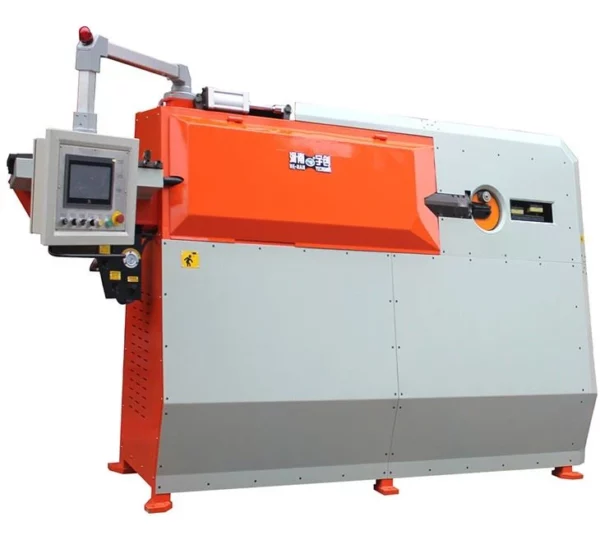
Reinforcing steel plays a fundamental role in concrete construction, but preparing that steel for a specific project requires careful processing. Bars and wire may need to be straightened, cut, bent, formed, or assembled before they are ready for installation. For fabrication businesses managing multiple processing stages, having suitable machinery can make production more organized and repeatable. A rebaring machine can support these requirements by bringing modern steel-processing technology into reinforcement manufacturing.
The term rebaring covers a broad range of activities associated with preparing reinforcing steel. Depending on the project, fabrication may involve straightening material from coils, cutting bars to predetermined lengths, creating bends, forming stirrups, or preparing reinforcement cages. Each operation has its own technical requirements, which is why professional fabrication facilities often use dedicated machines for individual processes or integrated systems for multiple stages.
Accuracy is particularly important when producing reinforcement components. Construction drawings specify dimensions and shapes that need to be followed during fabrication. An incorrectly prepared bar can require additional work before installation, while inconsistent batches can make site organization more difficult. Mechanical and CNC-controlled machinery helps create more structured production processes in which operators can work with defined measurements and programmed parameters.
Production efficiency is another important consideration. Manual reinforcement processing can involve repeated measuring, lifting, positioning, bending, and cutting. These activities consume time when large quantities of steel are involved. Modern machinery can automate repetitive operations, allowing fabrication teams to process material more systematically while operators focus on setup, monitoring, inspection, and material handling.
Different construction projects also require different reinforcement configurations. A residential development may require standard reinforcement components, while infrastructure projects can involve more complex steel arrangements. Fabricators therefore benefit from equipment that can accommodate different bar sizes, lengths, shapes, and production patterns. Flexible machinery can help businesses respond to varying orders without rebuilding their entire workflow for every project.
Material utilization is another factor that should not be overlooked. Reinforcement steel represents a significant part of fabrication costs, so unnecessary mistakes can create avoidable waste. Controlled cutting and bending processes can help operators work according to specified dimensions and reduce the likelihood of producing components that do not match the intended design. Proper planning remains essential, but suitable machinery can support more disciplined material processing.
Automation can also change the role of workers within a fabrication facility. Instead of performing every operation manually, trained operators can supervise machinery, adjust production parameters, check incoming material, and inspect finished components. This approach can reduce repetitive tasks and create a clearer production sequence from raw steel to completed reinforcement.
For companies planning their equipment setup, the most appropriate machinery depends on their actual workload. Important considerations include the types and diameters of reinforcement processed, required output, component designs, available workspace, and the level of automation needed. Businesses can then build a combination of machines that matches their regular fabrication requirements rather than choosing equipment based solely on general specifications.
A rebaring machine can therefore form part of a broader reinforcement-processing strategy. Whether a facility focuses on straightening, cutting, bending, stirrup production, or other steel-forming tasks, appropriate machinery can help establish a more organized manufacturing environment. The goal is to move material through each stage efficiently while maintaining the dimensional consistency required for construction applications.
As construction increasingly incorporates prefabricated reinforcement, steel preparation is becoming an important part of modern project planning. Components can be manufactured in controlled workshop conditions and delivered to construction sites when required. This approach makes dependable processing equipment valuable for businesses that want to improve coordination between fabrication and installation.
For reinforcement manufacturers and construction suppliers, modern steel-processing machinery provides a practical way to structure production around accuracy, repeatability, and efficient material handling. With suitable equipment, trained personnel, and proper quality checks, businesses can create a dependable reinforcement workflow capable of supporting diverse construction requirements.

 English
 Arabic
 French
 Spanish
 Portuguese
 Deutsch
 Turkish
 Italiano
 Russian
 Romaian
 Portuguese (Brazil)
 Greek
Greek