


Understanding Different Liposuction Techniques in Riyadh
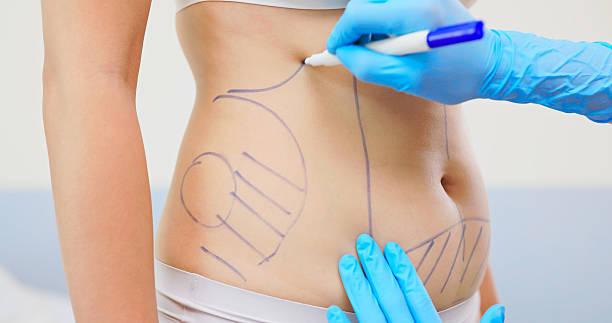
Liposuction has become a widely used body-contouring procedure for people who have localized fat deposits that remain resistant to diet and exercise. While the basic goal is to remove unwanted fat and improve body proportions, different liposuction techniques use varying approaches to loosen, break up, or remove fat. Understanding these techniques can help patients have more informed discussions during consultation. liposuction in riyadh may be considered for areas such as the abdomen, waist, thighs, hips, arms, back, and other suitable regions, depending on individual anatomy and treatment goals.
What Is Liposuction?
Liposuction is a surgical body-contouring procedure designed to remove selected fat deposits from specific areas of the body. It is not primarily a weight-loss treatment and is generally intended for people who are relatively close to their stable, healthy weight but have localized areas of excess fat.
During the procedure, a thin tube called a cannula is inserted through small openings in the skin. The surgeon carefully moves the cannula through the targeted area to remove fat while maintaining natural body proportions. The technique selected can depend on the treatment area, amount and consistency of fat, skin quality, and the patient's overall health.
Common Liposuction Techniques
Tumescent Liposuction
Tumescent liposuction is one of the commonly used approaches. Before fat removal, a specialized solution is introduced into the treatment area. This solution can help prepare the fatty tissue for removal and may reduce bleeding and discomfort during the procedure.
The surgeon then uses a cannula to suction the loosened fat. The method can be adapted to different body areas and is often used when controlled, localized fat removal is required.
Power-Assisted Liposuction
Power-assisted liposuction uses a cannula with a mechanical vibrating movement. This movement can help break up fatty tissue, allowing the surgeon to remove fat with controlled cannula movements.
This approach may be useful when treating areas with more fibrous tissue or when a surgeon wants additional assistance during fat removal. Its suitability depends on the individual treatment plan rather than being automatically appropriate for every patient.
Ultrasound-Assisted Liposuction
Ultrasound-assisted liposuction uses ultrasonic energy to help disrupt fat before it is removed. The technique can be considered for certain areas where fat may be more difficult to remove using conventional methods alone.
Because energy-based techniques require careful control, patient selection and surgical experience are important. The surgeon must consider factors such as tissue characteristics, treatment area, and the amount of fat being addressed.
Laser-Assisted Liposuction
Laser-assisted liposuction uses laser energy to help affect fatty tissue before suctioning. It may be used for selected treatment areas and can sometimes be incorporated into a broader body-contouring plan.
The use of laser energy does not mean that every patient will experience the same outcome. Skin quality, fat distribution, technique, and individual healing all influence the final appearance.
How Is the Right Technique Selected?
There is no single liposuction technique that is appropriate for everyone. A qualified surgeon evaluates the patient's body shape, fat distribution, skin elasticity, medical history, and desired outcome before recommending an approach.
For some patients, a conventional technique may provide the necessary control. Others may benefit from an assisted technique depending on the characteristics of the treatment area. In certain situations, combining approaches may also be considered.
A consultation for Liposuction in Riyadh should therefore focus not only on the name of the technique but also on why a particular method is suitable for the patient's anatomy and goals.
What Happens During the Procedure?
The treatment begins with assessment and preparation of the selected area. Anesthesia is chosen according to the extent of treatment, the areas involved, and the clinical plan. Small openings are made, allowing the cannula to access the targeted fatty tissue.
The surgeon gradually removes fat while paying attention to symmetry, proportions, and the surrounding tissues. The objective is not simply to remove as much fat as possible but to create a smoother and more balanced contour.
The duration of treatment varies according to the number and size of areas being treated.
Recovery After Liposuction
Some swelling, bruising, tenderness, and temporary changes in sensation are common during the early recovery period. A compression garment may be recommended to support the treated areas while they heal.
Light movement is generally encouraged according to the surgeon's instructions, while strenuous exercise and heavy lifting may need to be avoided temporarily. Swelling can initially make the treated area appear different from the eventual result, so patience is important.
As healing progresses, the body's contours gradually become more apparent. Recovery time varies depending on the technique used, treatment extent, individual healing, and other factors.
What Results Can You Expect?
Liposuction can improve the appearance of localized fat deposits and create more defined body contours. However, it is not designed to produce major overall weight reduction.
Results also depend on skin elasticity. When the skin has limited ability to contract, removing fat alone may not create the desired degree of smoothness. In such cases, another contouring procedure may sometimes be discussed.
Maintaining a stable weight after Liposuction in Riyadh is important because significant weight gain can enlarge remaining fat cells and change the body's contours.
Is Liposuction Suitable for Everyone?
Good candidates are generally adults with localized fat deposits, relatively stable weight, adequate skin elasticity, realistic expectations, and overall health suitable for surgery.
Certain medical conditions, medications, smoking, previous procedures, or poor skin quality may affect candidacy. A personal medical assessment is necessary before deciding whether liposuction is appropriate.
Understanding the Potential Risks
Like other surgical procedures, liposuction has potential risks. These may include swelling, bruising, infection, bleeding, fluid accumulation, temporary or persistent sensation changes, asymmetry, contour irregularities, and scarring.
Discussing these possibilities during consultation helps patients understand both the benefits and limitations of treatment. Following postoperative instructions carefully can also support a smoother recovery.
Book Your Appointment at Royal Clinic Saudia
If you are considering Liposuction in Riyadh, Royal Clinic Saudia can provide a consultation to assess your body-contouring goals and discuss suitable treatment options based on your individual needs.
FAQs:
What is the most common liposuction technique?
Tumescent liposuction is a commonly used approach, although the appropriate technique depends on the patient and treatment area.
Can different liposuction techniques be combined?
In selected cases, surgeons may use different approaches as part of one treatment plan.
Does liposuction remove all body fat?
No. It targets specific localized fat deposits and is not a method for removing all body fat.
When will the final results become visible?
Swelling can temporarily obscure the outcome. The contour generally becomes clearer as healing progresses, with timing varying between individuals.

 English
 Arabic
 French
 Spanish
 Portuguese
 Deutsch
 Turkish
 Italiano
 Russian
 Romaian
 Portuguese (Brazil)
 Greek
Greek