


Liposuction for the Abdomen: What Patients Should Know
Abdominal fat can sometimes remain despite regular exercise and a balanced eating routine, making the stomach area a common concern for people seeking body contouring. If you are considering Liposuction in Riyadh, understanding how abdominal liposuction works, who may benefit from it, and what recovery involves can help you prepare for an informed consultation. The procedure focuses on removing localized fat deposits to improve the shape and proportions of the abdomen rather than serving as a general weight-loss treatment.
What Is Abdominal Liposuction?
Abdominal liposuction is a surgical body-contouring procedure designed to remove localized deposits of fat from the abdomen. A surgeon uses a thin cannula through small incisions to loosen and suction targeted fat. The amount and location of fat removed are carefully planned to create a balanced contour while preserving natural body proportions.
How Does It Work?
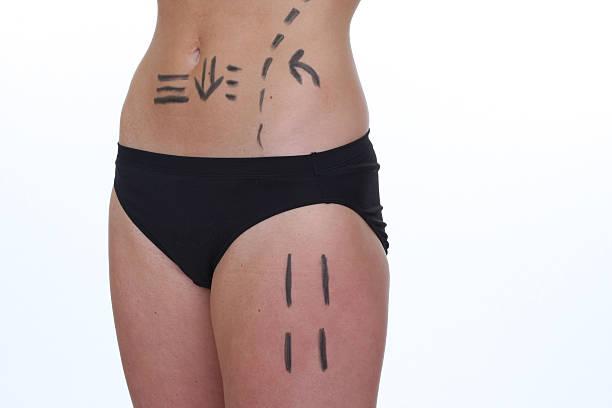
Before treatment, the surgeon typically marks the areas that require contouring. Depending on the selected technique, a specialized solution may be introduced into the fatty tissue. The surgeon then guides a cannula through the targeted areas to remove excess fat. The technique used depends on the patient's anatomy, treatment goals, and the surgeon's clinical judgment.
Which Part of the Abdomen Can Be Treated?
Abdominal liposuction can address localized fat deposits around areas such as the upper abdomen, lower abdomen, and sides of the waist. Treatment is individualized because fat distribution varies from person to person. Some patients may have more fullness below the navel, while others may have deposits around the flanks that affect the appearance of the waistline.
Who Is a Good Candidate for Abdominal Liposuction?
Liposuction may be considered for adults who are generally healthy, have relatively stable weight, and have localized abdominal fat that has not responded adequately to lifestyle measures. Good candidates should also have realistic expectations about what the procedure can achieve. A consultation is necessary because body shape, skin elasticity, medical history, and fat distribution all influence suitability.
Why Stable Weight Matters
Liposuction is intended for contouring rather than significant weight reduction. Patients who maintain a relatively stable weight may have more predictable results. Significant weight fluctuations after surgery can change the appearance of the abdomen and surrounding areas.
What About Skin Elasticity?
Skin elasticity plays an important role in the final abdominal contour. When skin can contract appropriately after fat removal, the abdomen may appear smoother. Significant loose or hanging skin may not respond adequately to liposuction alone, and another procedure may be more appropriate in some cases.
Can Liposuction Remove Belly Fat Permanently?
Liposuction removes fat cells from the treated area, so those particular cells are permanently eliminated. However, the remaining fat cells can enlarge if a person gains significant weight. Fat can also accumulate in untreated parts of the body. For this reason, maintaining a stable weight is an important part of preserving abdominal contouring results.
What Happens If You Gain Weight?
Future weight gain can affect the abdomen even after liposuction. Remaining fat cells can increase in size, potentially reducing some of the definition created by treatment. Weight changes may also alter proportions between the abdomen, waist, hips, and other areas.
What Is the Difference Between Abdominal Liposuction and a Tummy Tuck?
Abdominal liposuction and a tummy tuck address different concerns. Liposuction primarily removes localized fat, while a tummy tuck, also known as abdominoplasty, can address excess skin and may involve tightening separated or weakened abdominal muscles. The appropriate procedure depends on whether the main concern is fat, loose skin, abdominal muscle separation, or a combination of these issues.
When Liposuction May Be Appropriate
Liposuction may be suitable when the primary concern is localized fat and the skin has relatively good elasticity. It can refine the abdominal contour without removing a large amount of excess skin.
When a Tummy Tuck May Be Considered
Patients with substantial loose skin, particularly after significant weight loss or pregnancy, may require a different surgical approach. A qualified surgeon can assess the abdominal wall and skin quality before recommending the most appropriate option.
What Should Patients Expect During Recovery?
Recovery after abdominal liposuction varies depending on the amount of fat removed, the number of areas treated, the surgical technique, and individual healing. Temporary swelling, bruising, tenderness, and changes in sensation are common possibilities during recovery. Your surgeon will provide specific instructions regarding wound care, activity, compression garments, and follow-up appointments.
Managing Swelling
Swelling can make the abdomen appear larger or uneven during the early recovery period. This does not necessarily represent the final result. As healing progresses and swelling decreases, the treated contours generally become easier to appreciate.
Returning to Normal Activities
Light movement may be encouraged after surgery, while strenuous exercise and heavy lifting should generally be avoided until the surgeon provides clearance. Returning to activities too quickly can interfere with recovery, so following individualized instructions is important.
When Will Abdominal Liposuction Results Become Visible?
Some changes may become noticeable as early swelling begins to decrease, but the final contour usually takes longer to develop. Several weeks or months may be needed for swelling to resolve and tissues to settle. Individual recovery times vary, so patients should avoid judging their final result during the earliest stages of healing.
Why Patience Is Important
Temporary swelling and changes in skin sensation can make the treated area look or feel different during recovery. Regular follow-up allows the surgeon to monitor healing and address concerns if they arise.
How Can You Maintain Abdominal Liposuction Results?
Healthy long-term habits can help preserve the body contour achieved through surgery. Once fully recovered and medically cleared, regular physical activity can support overall fitness and muscle tone. A balanced eating pattern and stable weight are also important because substantial weight gain can affect the treated and untreated areas.
Follow Postoperative Guidance
Following your surgeon's instructions is an essential part of recovery. This may include wearing a compression garment, avoiding certain activities temporarily, caring for incisions properly, and attending follow-up visits. Personalized instructions should take priority over general recovery advice.
Is Abdominal Liposuction Right for You?
Abdominal liposuction can be an option for people who have localized fat deposits and want to refine their stomach and waist contours. If you are researching Liposuction in Riyadh, a consultation with a qualified surgeon can help determine whether abdominal liposuction is suitable for your anatomy and goals. The assessment can also help distinguish between excess fat, loose skin, and abdominal muscle concerns so that the treatment plan addresses the right problem.
Book an Appointment
If you want to learn more about abdominal body contouring, Royal Clinic Saudia can provide a personalized consultation. A qualified medical professional can evaluate your abdominal area, discuss suitable treatment options, explain expected recovery, and help you understand what results may realistically be achieved.
FAQs:
Can abdominal liposuction remove all belly fat?
Liposuction is designed to remove localized fat rather than eliminate all fat from the abdomen. The surgeon determines an appropriate amount of fat to remove while considering safety, body proportions, and the patient's anatomy.
Is abdominal liposuction a weight-loss procedure?
No. Abdominal liposuction is primarily a body-contouring procedure. It is generally intended for localized fat deposits rather than substantial overall weight reduction.
Can belly fat return after abdominal liposuction?
The fat cells removed from the treated area are permanently eliminated, but remaining fat cells can enlarge after significant weight gain. Maintaining a stable weight can help preserve the results.
How long does it take to see abdominal liposuction results?
Initial changes may appear as swelling decreases, but the final contour can take several months to develop. Recovery varies according to the individual and the extent of treatment.

 English
 Arabic
 French
 Portuguese
 Deutsch
 Turkish
 Dutch
Dutch
 Italiano
 Russian
 Romaian
 Portuguese (Brazil)
 Greek
Greek