


How Wheaton’s Freeze-Thaw Cycles Affect Roof Flashing, Shingles, and Roof Decking?
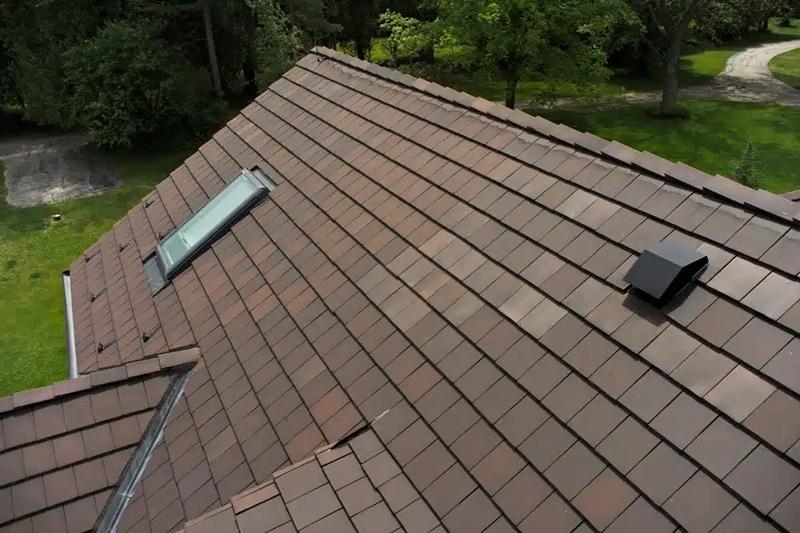
Wheaton winters do more than cover rooftops in snow. The repeated shift between freezing temperatures and warmer afternoons can quietly test every layer of a roofing system. Water finds tiny openings, freezes, expands, and then retreats as temperatures rise. Repeated often enough, this cycle can turn minor weaknesses into costly roofing problems. Understanding how freeze-thaw conditions affect flashing, shingles, and roof decking can help homeowners recognize problems early and make informed decisions about roof repair in Wheaton.
Why Freeze-Thaw Cycles Are Hard on Roofs?
Water is particularly troublesome during freeze-thaw weather because it expands when it freezes. If moisture enters a small crack, seam, or deteriorated area of a roofing component, freezing temperatures can exert pressure on the surrounding material.
When temperatures rise, the ice melts and allows water to move farther into vulnerable areas. Another freeze can repeat the process. Over time, these small changes can weaken roofing materials, loosen connections, and create pathways for moisture.
This does not mean every winter will damage a properly maintained roof. However, existing wear, poor drainage, aging materials, and improperly sealed areas can make a roof more vulnerable. Homeowners who notice recurring problems may need professional roof repair in Glenview to prevent localized damage from spreading.
Flashing Faces the First Line of Attack
Roof flashing protects some of the most vulnerable transition points on a roof, including chimneys, vents, skylights, valleys, and roof-to-wall intersections. These areas depend heavily on properly sealed joints and correctly installed materials.
During freeze-thaw cycles, moisture can enter compromised seams or deteriorated sealants. Freezing water can then place additional stress on these areas. As flashing shifts, corrodes, or loses its seal, water may travel underneath roofing materials instead of flowing safely away.
A flashing problem may not immediately produce a visible ceiling stain. Water can travel along roof decking or framing before entering the living space. This is why professional inspection is often more reliable than simply looking for interior leaks. Addressing damaged flashing early can reduce the need for extensive roof repair in Wheaton.
Shingles Can Lose Their Protective Strength
Asphalt shingles are designed to withstand changing weather, but repeated temperature fluctuations can accelerate wear on an already aging roof. During freezing conditions, moisture around damaged or lifted shingles can freeze and expand.
Repeated expansion and contraction may contribute to cracking, curling, loosening, or loss of granules, particularly when shingles are already approaching the end of their service life. Strong winter winds can further expose vulnerable sections.
Missing granules may reduce the shingle's ability to protect the underlying roofing system from weather exposure. Homeowners should therefore pay attention to excessive granules in gutters, visible curling, damaged tabs, or shingles that appear loose.
If winter weather has exposed these issues, timely roof repair in Glenview can help address individual problem areas before they contribute to larger moisture concerns.
Roof Decking Can Suffer Hidden Moisture Damage
Beneath the shingles and underlayment lies the roof deck, which provides structural support for the roofing system. When water repeatedly penetrates through damaged shingles or flashing, the decking may eventually absorb moisture.
Persistent moisture can cause wood decking to swell, soften, discolor, or deteriorate. In some cases, damage remains hidden until roofing materials are removed during an inspection or repair.
This is one reason a small exterior roofing defect should not automatically be treated as a minor issue. A leak that begins around flashing could eventually affect insulation, decking, and interior finishes. Professional roof repair in Wheaton can help identify whether moisture has remained confined to the surface or reached deeper components.
Early Inspection Makes Winter Damage Manageable
The positive side of freeze-thaw damage is that many roofing issues can be managed more effectively when identified early. A professional inspection can evaluate shingles, flashing, roof valleys, penetrations, drainage areas, and exposed decking for signs of weather-related deterioration.
After severe winter conditions, homeowners should watch for water stains, damp attic insulation, visible shingle damage, unusual granule accumulation, or recurring leaks. These warning signs deserve attention even if the roof appears generally intact.
Routine maintenance also matters. Keeping gutters and downspouts clear, maintaining proper attic ventilation, and addressing damaged roofing components can reduce opportunities for moisture to become trapped. When repairs are necessary, experienced professionals can determine whether a localized fix or broader work is appropriate. For nearby homeowners, dependable roof repair in Glenview can provide a practical way to address winter-related vulnerabilities.
Protecting Your Roof Through Changing Seasons
Freeze-thaw cycles are a natural part of Wheaton's winter climate, but their effects do not have to become major roofing problems. Flashing, shingles, and roof decking each play an important role in keeping moisture outside the home, and weaknesses in one component can eventually affect others.
The smartest approach is proactive rather than reactive. Inspect the roof after demanding weather, address minor defects before they worsen, and rely on professional evaluation when leaks or material deterioration appear. With timely roof repair in Wheaton, homeowners can preserve their roofing system, limit moisture intrusion, and approach the next seasonal temperature shift with greater confidence.

 English
 Arabic
 French
 Spanish
 Portuguese
 Turkish
 Dutch
Dutch
 Italiano
 Russian
 Romaian
 Portuguese (Brazil)
 Greek
Greek