


How Can Bespoke Drapery Bring Elegance and Functionality to Virginia Estates?
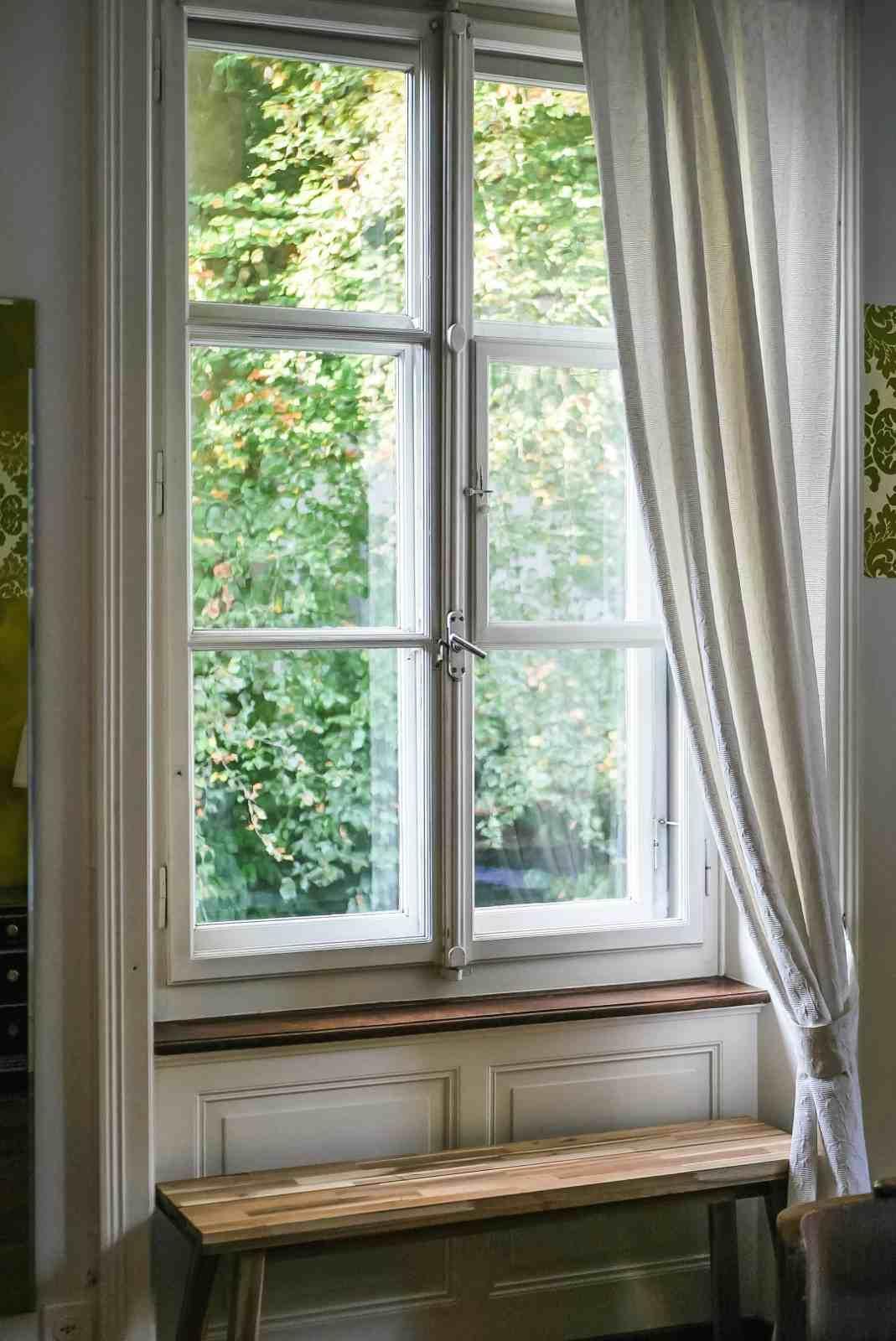
Bespoke drapery offers homeowners an opportunity to shape the atmosphere of their interiors through carefully selected fabrics, precise measurements, and thoughtfully designed window treatments. In Virginia, where residential architecture ranges from historic estates to expansive contemporary homes, custom window coverings can help preserve a property's character while supporting the practical needs of everyday living. The right drapery does more than frame a window. It influences natural light, privacy, visual balance, and the relationship between furnishings and architectural details.
For estate owners, these decisions often require more consideration than selecting a fabric from a showroom display. Window dimensions, ceiling heights, room proportions, existing finishes, and personal preferences all affect the final result. Bespoke drapery makes it possible to address these variables individually, creating window treatments that complement the home rather than forcing the interior to accommodate standard sizes or designs.
Why Do Virginia Estates Benefit From Custom Window Treatments?
Estate properties often feature architectural elements that require a considered approach to interior design. Tall windows, arched openings, decorative moldings, large glass doors, and rooms with generous ceiling heights can present challenges for ready-made curtains. Standard panels may appear undersized, hang unevenly, or fail to provide the coverage necessary for particular windows.
Custom drapery allows these details to guide the design process. Panels can be measured and constructed according to the dimensions of each opening, helping create balanced proportions and a more intentional appearance. For example, full-length curtains installed close to the ceiling can emphasize vertical height, while carefully positioned hardware can help establish a consistent visual line across several windows.
The architectural style of the property also matters. A traditional estate may benefit from substantial fabrics, refined pleats, and decorative hardware, while a contemporary residence might call for understated textures and clean, uninterrupted lines. Neither approach is universally better. The objective is to select treatments that support the home's existing design language.
Custom construction also makes it easier to coordinate multiple rooms without making every window look identical. A formal living room may require a more elaborate treatment than a private study, even when both spaces share the same architectural features.
Which Fabrics Work Best for Different Estate Interiors?
Fabric selection influences how drapery looks, feels, and performs over time. The best choice depends on the room's purpose, exposure to sunlight, desired privacy, and surrounding furnishings.
Linen and Linen Blends
Linen offers a relaxed texture that works well in interiors where natural materials and understated elegance are priorities. Its surface variations add visual interest without relying on bold patterns. Linen blends can provide a somewhat different balance of texture, structure, and drape, depending on their composition.
These fabrics can be appropriate for sitting rooms, bedrooms, and informal entertaining areas. However, their light-filtering qualities depend on the fabric's weight, weave, lining, and color rather than the material name alone.
Velvet and Other Substantial Fabrics
Velvet and similarly substantial textiles can bring depth and visual richness to formal spaces. Their weight can create fuller folds, making them suitable for rooms with high ceilings, large windows, and substantial furnishings.
Because heavier fabrics can affect how panels operate, hardware selection and installation deserve particular attention. The track or rod must support the finished treatment, including its fabric and lining.
Sheer and Lightweight Materials
Sheer fabrics soften incoming daylight while preserving a degree of visual connection with the outdoors. They can work especially well in rooms where maintaining brightness is important.
Their limitations should also be considered. A sheer panel may not provide sufficient nighttime privacy when interior lights are on. Layering it with a more substantial curtain can offer greater flexibility without sacrificing daytime softness.
Patterned and Textured Textiles
Patterns can introduce personality, but scale is essential. A large motif may suit a broad window in a spacious room, whereas a smaller design might feel more balanced in a compact space. Textured solids offer another way to add dimension without competing with patterned upholstery, rugs, or artwork.
Before choosing a fabric, homeowners should evaluate physical samples in the actual room. Daylight, artificial lighting, wall colors, and nearby finishes can substantially change how a textile appears.
How Should Drapery Be Designed Around Historic Architecture?
Historic homes require a balance between contemporary comfort and architectural preservation. Existing woodwork, plaster details, original window frames, and decorative trim may be central to the property's character. Window treatments should complement these features rather than conceal or visually overwhelm them.
The first step is to examine each opening and understand its proportions. Mounting drapery above the window frame can sometimes create a taller appearance, but this approach must be evaluated against existing cornices, ceiling details, and other architectural constraints.
Hardware deserves equal attention. Finishes and shapes should relate to the room's existing metals, wood tones, and decorative elements. A simple rod may suit an understated interior, while a more decorative design may complement a traditional formal room.
Installation methods also matter in older properties. Original plaster, masonry, and historic woodwork may require specialized consideration before drilling or attaching hardware. Homeowners should identify fragile surfaces and any preservation restrictions before installation begins.
When a room contains unusually shaped windows, custom solutions can address the opening without relying on awkwardly altered standard curtains. The aim is to achieve a harmonious result that respects the property's distinctive features.
What Should Homeowners Consider Before Ordering Bespoke Drapery?
Good results begin with a clear understanding of the room and its requirements. Before finalizing a design, homeowners should evaluate several practical factors.
Window measurements: Record the width and height of each opening, along with the intended mounting position. Measurements should account for the space needed for hardware, the desired curtain length, and the way panels will stack when open.
Light exposure: South- and west-facing windows may receive strong sunlight at certain times of day. Fabric color, lining, and the amount of coverage can influence how the treatment performs under these conditions.
Privacy requirements: Bedrooms and street-facing rooms may need more coverage than a formal space used primarily during the day. Privacy should be assessed separately from light control because the two requirements do not always call for the same fabric.
Room function: Curtains in a frequently used family room may need to open and close easily, while decorative treatments in a formal room might remain stationary for much of the time.
Furniture placement: Radiators, bedside tables, built-in cabinetry, and seating arrangements can affect where panels should hang and how far they can extend.
Maintenance: Cleaning requirements vary by textile, lining, and construction. Homeowners should understand the recommended care method before choosing a fabric, especially for large or difficult-to-remove panels.
Addressing these considerations early can reduce design compromises and help establish realistic expectations for the finished window treatments.
How Can Layered Drapery Improve Comfort and Privacy?
Layering allows homeowners to respond to changing conditions throughout the day. A sheer panel and a heavier outer curtain can provide different levels of light control, privacy, and visual softness without requiring a single fabric to meet every need.
During daylight hours, sheer curtains can diffuse incoming light and reduce the visual harshness of direct sunlight. In the evening, the outer panels can be closed to create a more private environment. The combination can also introduce depth through differences in transparency, texture, and color.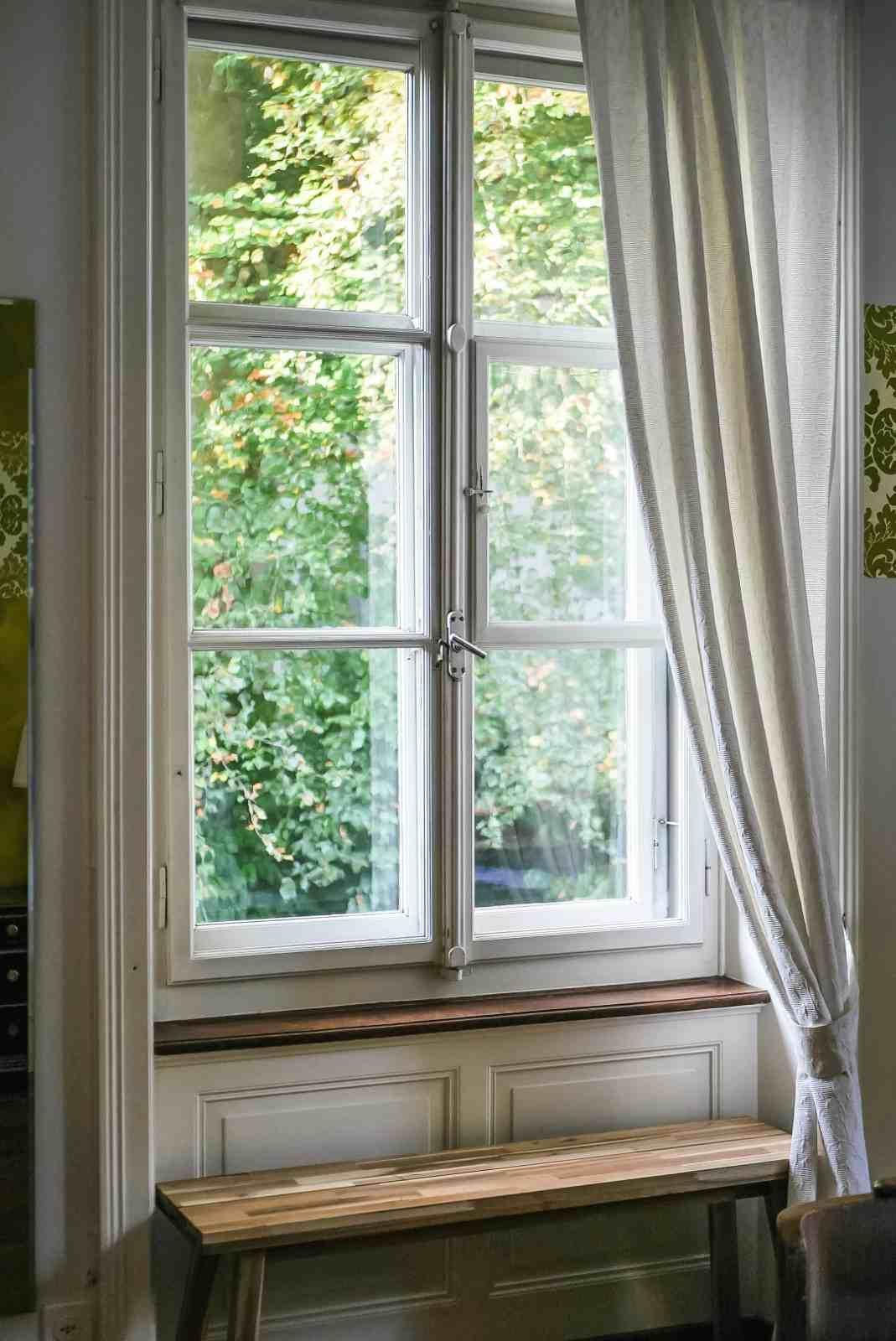
For homeowners exploring refined bespoke drapery for Virginia estates, layering offers an opportunity to coordinate practical performance with the architectural character of each room. The appropriate arrangement depends on window dimensions, available wall space, the desired fullness of the panels, and how the treatments will be operated.
Hardware must accommodate the combined weight and width of the fabrics. Separate tracks or appropriately designed rods can allow each layer to move independently, making daily adjustments easier.
It is also important to distinguish decorative layering from specialized performance requirements. Standard curtains may soften light and contribute to a comfortable interior, but they should not automatically be considered substitutes for dedicated blackout systems, exterior shading, or professionally specified thermal treatments.
How Do Color and Proportion Influence the Finished Design?
Color selection should consider the entire room rather than the window alone. Drapery can coordinate with upholstery, rugs, wall finishes, and artwork, but matching every element exactly is rarely necessary.
Neutral shades can create continuity across rooms, while deeper tones may provide contrast against lighter walls. Muted colors can support a restrained palette, whereas carefully chosen patterns can become a focal point in an otherwise simple interior.
Proportion is equally important. Narrow panels may appear insufficient on broad windows, while excessively full treatments can overwhelm a small room. The appropriate fullness depends on the fabric, pleat style, desired appearance, and whether the curtains are intended to operate regularly.
Length also changes the impression of a room. Floor-length panels often create a clean, tailored appearance, while a slight break at the floor can produce a softer effect. Allowing fabric to pool on the floor is a more deliberate stylistic choice and may be less practical in areas with heavy foot traffic.
Consistency helps connect the overall design. Repeating a fabric family, hardware finish, or color relationship throughout an estate can create visual continuity while allowing individual rooms to retain their own identities.
What Does the Custom Drapery Process Typically Involve?
A successful project generally progresses through several coordinated stages. The process begins with an assessment of the windows, architectural details, functional requirements, and desired aesthetic.
Next comes design development. Homeowners consider fabrics, colors, pleat styles, linings, hardware, and operating methods. Physical samples help evaluate how the proposed materials interact with the room's existing finishes and lighting.
Accurate measurements follow once the general design direction has been established. Because custom panels are made for particular openings, errors at this stage can affect both appearance and functionality. Unusual windows or complex installations may require additional planning.
Fabrication then translates the approved specifications into finished treatments. Construction details, including seam placement, hems, pleats, and lining, contribute to the final appearance.
Installation completes the process. Properly positioned hardware, balanced panel lengths, and consistent alignment help the curtains hang as intended. A final review can identify adjustments needed for smooth operation and an even presentation.
Clear communication throughout these stages helps homeowners understand design decisions, expected timelines, maintenance considerations, and any installation limitations.
How Can Bespoke Drapery Remain Beautiful Over Time?
Long-term appearance depends on the relationship between fabric selection, environmental conditions, construction, and routine care. Direct sunlight can gradually affect some textiles, while dust accumulation can dull surfaces and settle into pleats.
Regular light cleaning, following the manufacturer's care instructions, can help maintain the fabric's appearance. Homeowners should avoid assuming that every curtain can be machine-washed or steam-treated, since different materials and linings respond differently to cleaning methods.
Operating curtains gently can also help preserve pleats, seams, and hardware. If panels begin to drag, hang unevenly, or move with difficulty, the issue may involve installation, hardware alignment, or fabric changes rather than the textile alone.
Periodic inspection is particularly useful for large installations and frequently operated windows. Addressing small issues early may prevent more extensive adjustments later.
Ultimately, bespoke drapery succeeds when visual refinement and practical performance are considered together. For Virginia estate owners, a thoughtful approach to fabrics, proportions, architectural details, and installation can produce window treatments that feel integral to the home. By evaluating each room individually and making informed design choices, homeowners can create interiors that balance character, comfort, privacy, and enduring style.
More details are available at: Local Business Directory

 English
 Arabic
 French
 Spanish
 Portuguese
 Deutsch
 Turkish
 Dutch
Dutch
 Italiano
 Romaian
 Portuguese (Brazil)
 Greek
Greek