

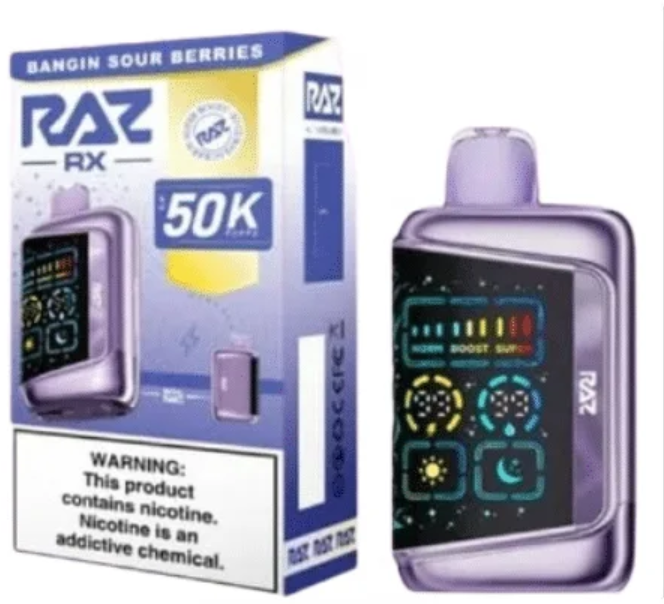

A dry hit is a term commonly used in vaping to describe an unpleasant experience that can happen when a heating element operates without enough e-liquid reaching the wick. It may produce a burnt taste, harsh sensation, or unusual smell. This issue is often discussed when people research disposable vape technology and device performance. Modern electronic devices may include different control features designed to manage heating, battery output, and airflow.
When researching products such as Raz Vape, you may come across descriptions mentioning smart temperature control, heating protection, and other electronic features. These terms can sound similar, but they do not always mean the same thing. Understanding how temperature sensors and heating systems work can help readers separate actual device technology from marketing claims. It is also important to remember that temperature controls do not make vaping harmless or eliminate the risks associated with inhaling vape aerosol.
1. What Is a Dry Hit in a Disposable Vape?
A dry hit happens when the heating element does not receive enough liquid to operate as intended. In many vaping devices, a wick or similar material transfers e-liquid towards the heating element.
When the wick is insufficiently saturated, heating can produce an unpleasant burnt taste.
Several factors may contribute to this problem:
-
Insufficient e-liquid in the reservoir.
-
Poor liquid flow towards the heating element.
-
A damaged or incorrectly assembled heating system.
-
Manufacturing defects.
-
Changes in device performance over time.
-
Operation outside the manufacturer's intended conditions.
A dry hit can also be associated with overheating of the wick or other internal components.
However, not every burnt taste has the same cause. A damaged coil, contaminated liquid, or another device fault may produce similar symptoms.
If a disposable vape produces a persistent burnt taste, stop using it rather than continuing to test or activate it.
2. Understanding Temperature Control Technology
Temperature control refers to electronic methods used to monitor or regulate the heating process in certain vaping devices.
Depending on the design, a device may use electronic circuits, sensors, or resistance-based measurements to monitor operating conditions.
A temperature sensor can provide information about heat levels inside a device. The electronic control system may then adjust power output or interrupt operation when certain limits are reached.
Some possible functions of temperature-related protection include:
-
Monitoring heating conditions.
-
Detecting unusual temperature changes.
-
Limiting excessive electrical output.
-
Preventing operation under certain fault conditions.
-
Supporting battery and component protection.
However, not every disposable vape includes a dedicated temperature sensor. Some devices use simpler electronic control circuits rather than advanced temperature-monitoring systems.
Therefore, a specific product should only be described as having smart temperature control when the manufacturer provides reliable technical information confirming that feature.
3. How Sensors and Electronic Circuits Work Together
Temperature monitoring is only one part of a device's electronic system.
A disposable vape may contain several components that work together, depending on its design.
Temperature monitoring: A sensor or electronic measurement system may monitor heat-related conditions.
Control circuit: The circuit processes information from the device and manages electrical operation.
Battery management: Electronic protection may monitor battery conditions and help prevent certain electrical faults.
Activation system: Some devices use an automatic airflow sensor to detect when the user draws through the mouthpiece.
Heating assembly: The heating element converts electrical energy into heat.
These components have different purposes. An airflow sensor, for example, detects airflow rather than directly measuring temperature.
When reviewing the Raz Vape Collection, it is important to check the specifications of each model separately. Features found in one product should not automatically be assumed to exist in every device within the collection.
Clear manufacturer documentation is the best way to verify whether a particular device includes temperature monitoring or other electronic protection.
4. Why E-Liquid Supply Matters Alongside Temperature Control
Temperature regulation alone cannot prevent every dry-hit problem.
The availability of e-liquid around the heating element is another important factor. In many vaping systems, the wick must remain sufficiently saturated for the device to function as designed.
If the liquid supply becomes inadequate, the heating element may operate under unsuitable conditions.
Some factors that can influence liquid availability include:
-
The amount of e-liquid remaining.
-
The design of the internal reservoir.
-
The condition of the wick.
-
The device's internal liquid delivery system.
-
Product age and manufacturing quality.
A temperature protection system may respond to certain abnormal heating conditions, but it cannot guarantee that liquid will always reach the heating element.
This distinction matters because marketing descriptions sometimes suggest that electronic protection completely eliminates dry hits. In reality, device performance depends on several interacting components.
A product's temperature-related features should never be treated as a guarantee of safe operation.
5. Common Misunderstandings About Smart Temperature Sensors
Temperature-related technology is often described using terms that may confuse consumers.
Understanding these differences makes it easier to evaluate product specifications.
Misunderstanding 1: Every disposable vape has temperature sensors.
This is not true. Device electronics differ between models. Some have basic protection circuits, while others may include more advanced monitoring features.
Misunderstanding 2: Temperature control completely prevents dry hits.
Temperature regulation may help manage certain heating conditions, but it cannot guarantee a consistent liquid supply or eliminate every possible dry hit.
Misunderstanding 3: A burnt taste always means the temperature sensor has failed.
A burnt taste may have several causes, including low liquid levels, wick problems, or component damage.
Misunderstanding 4: More electronic features mean a safer vaping experience.
Electronic protection may reduce certain device-related risks, but it does not remove the health risks associated with vaping.
Misunderstanding 5: Temperature protection means the device cannot overheat.
No electronic protection system should be considered infallible. Damaged batteries, manufacturing defects, and other faults may still create safety concerns.
When researching products such as the RAZ LTX 25K, check the available manufacturer specifications rather than assuming that its advertised technology includes a particular sensor or protection feature.
6. Device Safety, Warning Signs, and Frequently Asked Questions
Understanding device warning signs is important when reading about disposable vape technology.
If a device develops unusual behaviour, continuing to use it may create unnecessary risks.
Look out for these warning signs:
-
Persistent burnt or unusual smells.
-
Unexpected overheating.
-
Swelling or visible battery damage.
-
Liquid leaking from the casing.
-
Unusual sounds.
-
Cracks or damaged electrical connections.
-
Unexpected activation.
If any of these problems occur, stop using the device. Do not open, refill, dismantle, or attempt to repair a sealed disposable vape.
Here are some common questions about temperature control.
Does temperature control prevent all dry hits?
No. It may help manage certain heating conditions, but it cannot prevent every problem related to liquid supply, wick condition, or component damage.
Are temperature sensors the same as airflow sensors?
No. Temperature sensors monitor heat-related conditions, while airflow sensors detect changes in air movement.
Can temperature control improve battery safety?
Electronic monitoring may help manage certain operating conditions, but it cannot eliminate all battery risks.
Do all RAZ models have the same technology?
Not necessarily. Features and specifications can vary between models. Manufacturer documentation should be checked for each product.
Does preventing dry hits make vaping safe?
No. Preventing a device-related problem does not remove the potential health effects of inhaling vape aerosol or nicotine.


