


Hockey Sticks: Understanding Design, Materials, and Performance
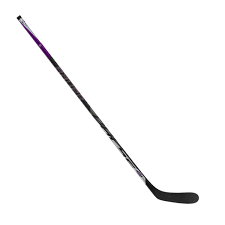
Hockey sticks are essential pieces of equipment used to control the puck, make passes, take shots, and defend against opposing players. Their design has evolved from traditional wooden construction to modern composite materials that offer different combinations of weight, stiffness, and feel. Understanding the differences between stick designs can help players select equipment suited to their physical characteristics, playing position, and skill level. Factors such as length, flex, blade curve, kick point, and material all influence how a stick feels during play.
What Are Hockey Sticks?
Hockey Sticks are sporting implements designed to move, pass, shoot, and control a puck in ice hockey. A typical ice hockey stick consists of a shaft and a blade, with each part contributing to the player's control and shooting technique.
The shaft is held with both hands and transfers force during puck handling and shooting. The blade makes contact with the puck, helping players guide its direction, receive passes, and generate shots. The precise design varies according to the intended level of play and individual preferences.
Different Types of Hockey Sticks
Hockey sticks are available in different designs to accommodate various playing environments and requirements.
Composite Sticks
Composite sticks are commonly constructed using carbon fiber, fiberglass, or combinations of materials. These materials allow manufacturers to adjust weight, stiffness, and flexibility. Composite construction is widely used in competitive ice hockey because it supports different performance characteristics.
Wooden Sticks
Wooden sticks offer a traditional feel and are often associated with recreational play and certain training environments. They are generally heavier than many modern composite alternatives, although their characteristics depend on the construction and design.
Two-Piece Sticks
Two-piece designs use a separate shaft and blade. Depending on the system, this construction can allow a damaged blade to be replaced without replacing the entire stick.
Understanding Stick Length
Stick length affects reach, puck control, and shooting posture. The appropriate length depends on a player's height, stance, position, and personal preference.
A common starting point for ice hockey is to check the stick while wearing skates. For many players, the top of the stick falls somewhere between the chin and nose when standing upright. However, this is a general guideline rather than a universal measurement.
Defensive players may prefer additional reach for poke checks and puck battles, while some forwards favor a slightly shorter stick for close puck handling. Young players may also need their stick length reassessed as they grow.
What Does Flex Mean?
Flex describes how much a stick shaft bends when force is applied. It is commonly represented by a numerical rating, with lower numbers generally indicating a more flexible shaft and higher numbers indicating greater stiffness.
A more flexible stick can be easier for a player to bend during a shot, while a stiffer stick may suit players who prefer a different loading sensation. The appropriate rating depends on body weight, strength, shooting technique, stick length, and personal preference.
Cutting a stick shorter can make its effective flex feel stiffer. For this reason, players should consider the final length before making adjustments.
Blade Curve and Lie
The blade's shape affects how a player interacts with the puck. Curve depth, curve location, and blade-face angle can influence puck handling, passing, and shot trajectory.
Blade Curve
A mid-curve blade is often considered a versatile option for different types of play. Toe curves and heel curves have different contact characteristics, so players may prefer particular patterns based on their shooting and puck-handling habits.
Blade Lie
Lie refers to the angle between the shaft and the blade. It affects how the blade rests on the ice when a player assumes their normal stance. If the lie does not match a player's posture, part of the blade may lift off the ice during puck handling.
Choosing a suitable curve and lie can help players maintain more consistent blade contact and control.
Understanding Kick Points
The kick point describes the area of the shaft where it is designed to bend most noticeably as the stick is loaded.
Low-kick designs are commonly associated with a quick release, while mid-kick designs are often used by players who prefer a different loading pattern for stronger shots. Hybrid designs aim to combine characteristics of different kick-point configurations.
No single kick point is ideal for every player. Shooting habits, strength, release timing, and personal feel all contribute to the choice.
Choosing Sticks for Different Playing Positions
Forwards and defensemen may have different equipment preferences because their roles on the ice involve different movements and shooting situations.
Forwards may prioritize quick puck release, close control, and maneuverability. Defensemen may place greater emphasis on reach, durability, and shooting from farther away. Goalies use specially designed goalie sticks with different blade and shaft configurations.
Age and skill level also matter. Beginners often benefit from focusing on comfortable length, manageable flex, and a versatile blade pattern instead of selecting equipment based solely on professional players' preferences.
Hockey Sticks and SportsExcellence
SportsExcellence covers hockey equipment and related sporting gear for different playing needs. When reviewing stick options, players can compare construction materials, length, flex rating, blade pattern, kick point, and intended playing level.
These details provide a practical way to understand differences between models. Checking the manufacturer's specifications can also help clarify whether a stick is designed for youth, intermediate, or senior players.
Care and Maintenance
Proper care can help maintain a stick's condition during regular use. Players should inspect the shaft and blade for cracks, splits, or other signs of damage. Blade tape should be replaced when it becomes excessively worn or damaged.
Sticks should also be stored away from extreme heat and unnecessary moisture. A damaged stick may not perform as expected and should be assessed before further use. For composite sticks, any applicable warranty conditions should be reviewed with the manufacturer or retailer.
Conclusion
Hockey Sticks differ in their materials, length, flex, blade curve, lie, and kick point. Each feature contributes to how a stick feels during puck handling, passing, and shooting. The most suitable design depends on a player's size, strength, position, technique, and level of experience.
Understanding these characteristics helps players compare equipment more thoughtfully. By reviewing specifications and considering personal playing needs, hockey players can make more informed decisions when exploring the range of sticks and related equipment available through SportsExcellence.

 English
 Arabic
 French
 Portuguese
 Deutsch
 Turkish
 Dutch
Dutch
 Italiano
 Russian
 Romaian
 Portuguese (Brazil)
 Greek
Greek