


The Difference Between Direct Mail Fulfillment and E-Commerce Fulfillment
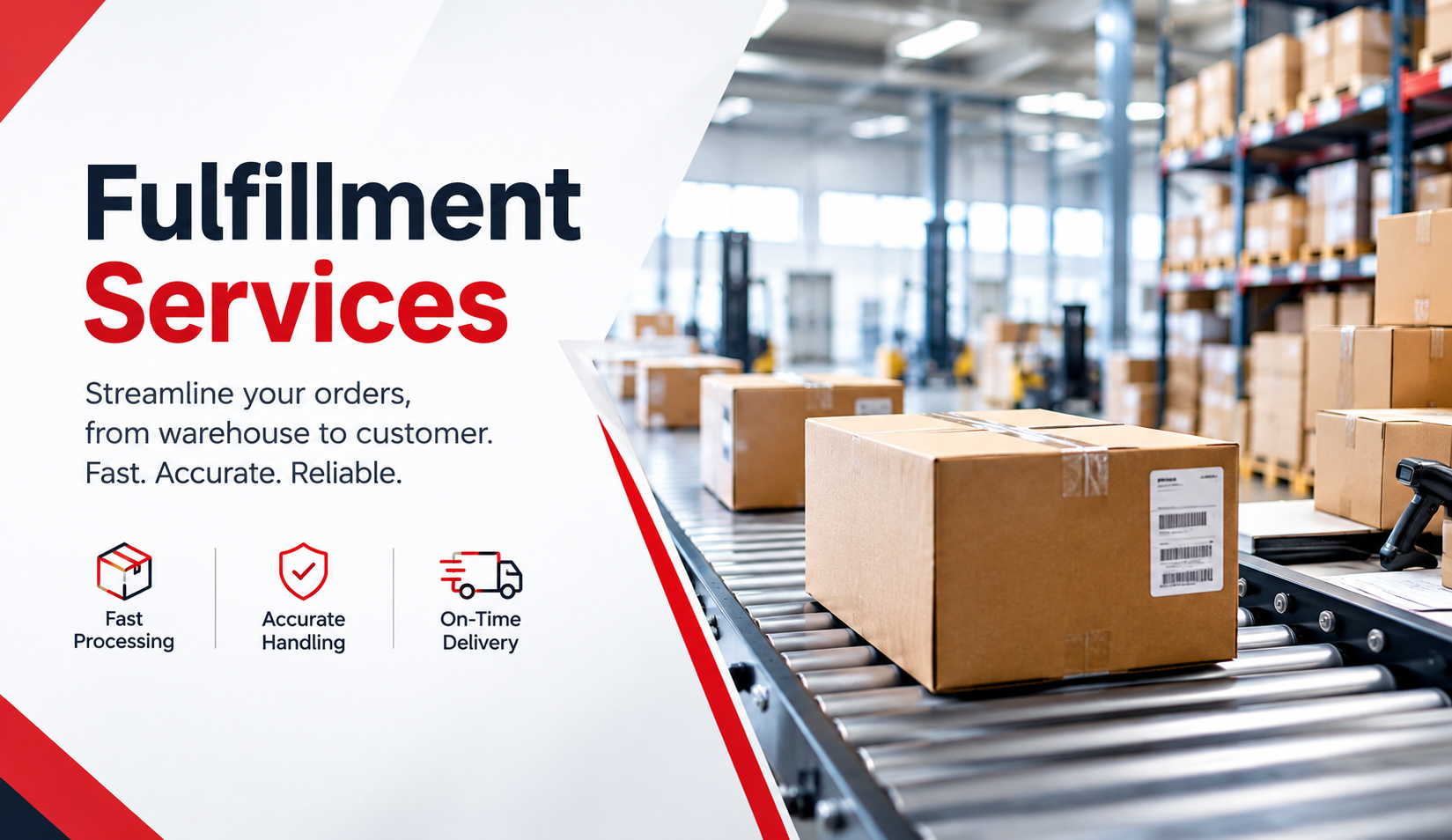
Managing product deliveries and marketing campaigns can become complicated when a business starts growing. Many business owners assume that all fulfillment services work the same way, only to discover significant differences when they need to ship customer orders or distribute thousands of promotional mailers.
We often see businesses focus on printing costs, packaging materials, or shipping rates without considering how the entire fulfillment process affects their operations. A poor fulfillment decision can create unnecessary expenses, missed campaign deadlines, and frustrating customer experiences.
Understanding the difference between direct mail fulfillment and e-commerce fulfillment helps businesses choose a practical solution for their needs. Professional Fulfillment Services can support both marketing distribution and order management, but each approach serves a different purpose and requires different workflows.
What Is Direct Mail Fulfillment?
Direct mail fulfillment involves preparing, organizing, and distributing physical marketing materials to selected recipients. Businesses commonly use this process to send postcards, promotional letters, brochures, catalogs, and personalized marketing packages.
Unlike traditional product shipping, direct mail fulfillment focuses on reaching a specific audience with a marketing message. We consider mailing list accuracy, print quality, postal preparation, and campaign timing important parts of the process because each factor influences how efficiently a business reaches its intended recipients.
How Direct Mail Fulfillment Works
A typical direct mail campaign begins with identifying the right audience. Businesses may target existing customers, households within particular ZIP codes, or prospects who match specific demographic and geographic criteria.
After establishing the audience, the fulfillment process generally includes:
-
Mailing list preparation: Organizing recipient information, checking address quality, and removing duplicate records.
-
Printing and personalization: Producing postcards, brochures, letters, or other marketing materials with appropriate customer details.
-
Folding and inserting: Preparing printed materials for envelopes or other mailing formats.
-
Sorting and postal preparation: Grouping mailpieces according to relevant postal requirements.
-
Mailing and campaign reporting: Coordinating postal entry and reviewing available mailing and response information.
We recommend reviewing mailing data before printing begins. Incorrect addresses and duplicate records can waste printed materials and postage, especially when a campaign involves thousands of recipients.
Businesses That Benefit from Direct Mail Fulfillment
Direct mail fulfillment often makes sense for businesses that depend on local visibility, customer relationships, or recurring promotional campaigns. Real estate agencies, healthcare practices, restaurants, retail stores, and home service companies frequently use physical mail to communicate with their audiences.
For example, an HVAC company might send seasonal maintenance reminders to households within its service area. Similarly, a local retailer could introduce a special offer to nearby residents through a targeted postcard campaign.
New residents also represent a useful audience for many local service providers. Businesses planning this type of outreach can explore practical new mover mailer tips to develop relevant introductory messages rather than sending generic advertisements.
What Is E-Commerce Fulfillment?
E-commerce fulfillment covers the activities that take place after a customer orders a product through an online store or marketplace. These activities generally include inventory storage, order processing, picking, packing, shipping, and returns management.
The primary goal involves delivering the correct physical products to customers while maintaining accurate inventory records. We approach e-commerce fulfillment differently from direct mail because individual purchases create separate orders, packaging requirements, and delivery expectations.
How E-Commerce Fulfillment Works
The process usually begins when an online shopping platform receives a customer order. The business or fulfillment provider then locates the purchased items, prepares the package, and arranges shipment through an appropriate carrier.
A typical workflow includes:
-
Inventory receiving: Accepting products from suppliers and recording stock quantities.
-
Warehousing: Organizing items in storage locations for efficient retrieval.
-
Order processing: Receiving customer orders through connected sales systems.
-
Picking and packing: Selecting the correct products and preparing shipping packages.
-
Shipping coordination: Creating shipping labels and arranging carrier collection.
-
Returns management: Receiving returned items and determining their appropriate disposition.
Inventory accuracy plays a major role in this process. When stock records do not match actual warehouse quantities, businesses risk overselling products, delaying shipments, and disappointing customers.
Businesses That Need E-Commerce Fulfillment
E-commerce fulfillment suits businesses that sell physical products through websites, online marketplaces, or subscription programs. Clothing retailers, beauty brands, electronics stores, and home accessory companies commonly rely on these operations.
Consider an online skincare business that receives orders throughout the day. Each customer may select different products, quantities, and delivery options. The fulfillment operation must process these individual orders accurately rather than preparing one large batch of identical marketing materials.
Direct Mail Fulfillment vs. E-Commerce Fulfillment: Key Differences
Although both fulfillment models involve organizing materials and coordinating delivery, their business objectives differ considerably. Understanding these differences helps companies avoid choosing a service based only on warehouse capacity or shipping costs.
| Comparison Factor | Direct Mail Fulfillment | E-Commerce Fulfillment |
|---|---|---|
| Primary purpose | Deliver marketing communications | Deliver purchased products |
| Main recipients | Prospects and existing customers | Customers who place orders |
| Typical materials | Postcards, letters, brochures, catalogs | Retail products and merchandise |
| Order processing | Often campaign-based or batch-based | Usually individual order-based |
| Data requirements | Mailing lists and postal address data | Product SKUs, orders, and inventory |
| Packaging | Envelopes, self-mailers, and promotional packages | Boxes, mailers, and protective packaging |
| Delivery method | Primarily postal networks | Parcel carriers and postal services |
| Performance measures | Mailing accuracy, response, and conversions | Order accuracy, delivery, and returns |
1. Marketing Objectives vs. Customer Orders
Direct mail fulfillment supports marketing activities that aim to generate awareness, inquiries, appointments, or sales. A business sends promotional materials before the recipient necessarily expresses an intention to purchase.
E-commerce fulfillment starts after a customer completes a transaction. The company already has a confirmed order and must deliver the purchased products according to the customer's expectations.
We encourage businesses to identify the purpose behind every shipment. A promotional postcard campaign requires a different operational strategy from a warehouse processing hundreds of online purchases each day.
2. Mailing Lists vs. Inventory Management
Direct mail fulfillment relies heavily on accurate recipient information. Address verification, duplicate removal, audience segmentation, and postal preparation help businesses control unnecessary mailing expenses.
E-commerce fulfillment depends more heavily on inventory accuracy and order management. Companies need reliable stock counts, SKU identification, product locations, and purchasing information to process orders correctly.
Businesses sometimes underestimate these differences when comparing fulfillment providers. A company that handles large mailing lists efficiently may not necessarily offer the inventory technology required for complex online retail operations.
3. Bulk Distribution vs. Individual Shipping
Direct mail campaigns commonly involve producing and distributing many similar pieces within a defined campaign period. Businesses can often prepare materials in batches and coordinate mailing schedules around promotional deadlines.
E-commerce operations handle ongoing orders with different products, quantities, package sizes, and delivery destinations. Daily order volumes may also change considerably during seasonal promotions or major shopping events.
From an operational perspective, these differences affect staffing, equipment, quality control, and workflow planning. We find it useful to evaluate how a provider manages peak demand rather than focusing exclusively on its normal daily capacity.
4. Packaging and Presentation Requirements
Direct mail packaging aims to protect printed materials, meet postal standards, and communicate a marketing message effectively. Postcard dimensions, envelope selection, folding methods, and paper quality can influence both presentation and mailing costs.
E-commerce packaging must protect physical products during transportation. Businesses often need boxes, cushioning materials, product labels, and packaging suitable for fragile or unusually shaped merchandise.
Packaging also contributes to brand perception in both situations. A poorly printed mailer can weaken a professional message, while a damaged product package can leave customers questioning the retailer's attention to detail.
5. Delivery Expectations and Tracking
Direct mail fulfillment generally follows campaign schedules. Businesses may coordinate mail entry around seasonal promotions, local events, or specific customer outreach periods.
E-commerce customers frequently expect shipment confirmation, tracking updates, and clear delivery information. Their expectations make order processing speed and carrier coordination particularly important.
We advise businesses to distinguish between the date a provider hands materials to a carrier and the date recipients actually receive them. Postal delivery and parcel transit can vary, so realistic scheduling helps avoid unnecessary customer dissatisfaction.
How Fulfillment Costs Differ Between Both Models
Cost comparison requires more than looking at a provider's price per package or mailpiece. Each fulfillment model contains expenses that relate directly to its operating requirements.
Direct Mail Fulfillment Costs
Direct mail expenses commonly include printing, mailing list processing, personalization, addressing, material preparation, postage, and distribution coordination. Paper specifications, print quantities, mailpiece dimensions, and postal classifications can all affect the total campaign budget.
We encourage businesses to compare the complete campaign cost rather than focusing only on printing prices. A lower production quote may not represent the best overall option if additional handling or postage expenses increase the final amount.
E-Commerce Fulfillment Costs
E-commerce fulfillment expenses usually include inventory receiving, storage, picking, packing, packaging supplies, shipping, and returns processing. Some providers also charge for software integrations, special handling, or additional inventory management tasks.
Businesses with slow-moving products should pay particular attention to storage fees. Meanwhile, companies that sell small, inexpensive items need to understand how per-order handling charges affect their profit margins.
Why the Cheapest Quote May Not Offer the Best Value
We recommend requesting an itemized estimate whenever a business evaluates a fulfillment arrangement. The estimate should explain which activities the provider includes, which services cost extra, and how pricing changes as volume increases.
A company should also consider operational reliability, reporting quality, and error resolution. A slightly lower handling charge offers limited value when fulfillment mistakes create repeated replacements, delays, or administrative work.
Common Fulfillment Mistakes Businesses Should Avoid
Fulfillment problems often begin during planning rather than during the actual shipping process. Businesses may rush into production or distribution without defining their requirements, checking their data, or establishing realistic schedules.
Choosing a Provider Without Defining Requirements
Some companies compare fulfillment providers before identifying whether they primarily need marketing distribution, online order processing, or both. This approach can lead to mismatched capabilities and unexpected service limitations.
We suggest documenting the expected volume, delivery locations, packaging requirements, software needs, and turnaround expectations before requesting quotations. Clear requirements make provider comparisons more meaningful.
Ignoring Data Accuracy
Outdated mailing lists can increase wasted postage, while inaccurate inventory records can create fulfillment delays. Both problems affect operating costs, although they arise in different parts of the process.
Regular data reviews help businesses identify errors before those errors reach customers. For direct mail campaigns, we recommend checking recipient records before print approval. For online retail, consistent stock reconciliation supports accurate order processing.
Underestimating Seasonal Demand
Holiday promotions, product launches, and seasonal marketing campaigns can create temporary increases in fulfillment activity. Businesses that plan only for normal operating volumes may struggle during these periods.
We encourage companies to discuss peak capacity and production lead times with providers in advance. Early planning gives teams more flexibility when demand increases or campaign deadlines change.
Can Businesses Use Both Direct Mail and E-Commerce Fulfillment?
Many businesses benefit from combining both fulfillment approaches, especially when they operate online stores while also investing in customer acquisition and retention campaigns.
A home décor retailer, for example, might use direct mail to distribute catalogs or promotional postcards to selected households. When customers visit the website and purchase products, an e-commerce fulfillment operation handles those orders.
Connecting Printed Marketing with Online Sales
Direct mail can support e-commerce activity by encouraging recipients to visit product pages, use promotional codes, or explore seasonal collections. Businesses can include unique URLs, campaign-specific QR codes, or relevant offers to help measure responses.
We recommend connecting each mailing campaign to a clear customer action. A recipient should understand what the business offers, why the message matters, and what to do next without searching for additional information.
Coordinating Fulfillment Across Marketing and Sales
Businesses that use both models should coordinate campaign timing with available inventory and order-processing capacity. A successful promotion can create operational problems if the company cannot supply the advertised products.
Marketing and operations teams should review stock levels, promotional deadlines, expected demand, and shipping capabilities before launching major campaigns. This coordination helps protect the customer experience after the initial marketing response.
How to Choose the Right Fulfillment Service for Your Business
The best fulfillment arrangement depends on the type of materials a business distributes, the customers it serves, and the level of operational support it needs.
Evaluate Your Primary Business Goal
Start by determining whether the business wants to reach potential customers or deliver products that customers have already purchased. This distinction usually provides the clearest starting point for choosing between direct mail and e-commerce fulfillment.
For businesses that require both, we recommend evaluating the two workflows separately. A provider's ability to manage one service does not automatically demonstrate equal capability in the other.
Review Operational Capabilities
Before selecting a fulfillment partner, examine its production equipment, order-management processes, delivery coordination, and quality-control procedures.
For direct mail, pay attention to printing capabilities, address processing, postal preparation, and mailing schedules. For e-commerce, focus on inventory visibility, order accuracy, packing standards, carrier integration, and return handling.
Ask About Reporting and Communication
Reliable communication becomes especially important when businesses outsource activities that directly affect their customers or marketing budgets. Providers should explain how they report progress, identify problems, and manage changes.
We recommend establishing clear responsibilities before work begins. Businesses should know who approves files, confirms inventory, reviews production schedules, and handles exceptions when something goes wrong.
FAQs
1. What is the main difference between direct mail fulfillment and e-commerce fulfillment?
Direct mail fulfillment prepares and distributes physical marketing materials to selected audiences, while e-commerce fulfillment processes and ships products that customers purchase online. Direct mail emphasizes audience targeting, printing, and postal preparation. E-commerce fulfillment focuses on inventory management, order accuracy, packaging, shipping, and returns.
2. Is direct mail fulfillment suitable for small businesses?
Yes, small businesses can use direct mail fulfillment to reach local customers, promote services, and maintain customer relationships. Campaign size, mailing format, and audience selection determine much of the cost. We recommend starting with a clearly defined target audience and measurable campaign objective rather than mailing to a broad area without a specific purpose.
3. Can one fulfillment company handle both direct mail and e-commerce orders?
Some fulfillment companies support both services, but their capabilities vary. Businesses should confirm whether a provider offers printing, mailing list preparation, warehousing, inventory tracking, order processing, and parcel shipping as needed. We encourage companies to request a detailed explanation of each service instead of assuming that general fulfillment experience covers every operational requirement.
4. How can businesses reduce fulfillment costs without affecting quality?
Businesses can control fulfillment expenses by improving data accuracy, choosing suitable packaging, forecasting demand, and reviewing detailed service quotations. Direct mail campaigns benefit from accurate mailing lists and appropriate postal preparation, while e-commerce operations benefit from organized inventory and efficient packing processes. Regular cost reviews help companies identify unnecessary expenses without sacrificing reliability.
Conclusion
Understanding the difference between direct mail fulfillment and e-commerce fulfillment allows businesses to make better decisions about their marketing and distribution operations. Although both services involve preparing materials and coordinating deliveries, they support different business objectives.
Direct mail fulfillment helps companies communicate with prospective and existing customers through targeted physical marketing. E-commerce fulfillment supports the purchasing experience by managing inventory, preparing orders, and delivering products. Businesses that use both approaches can connect customer outreach with dependable order processing.
We believe effective fulfillment begins with clear planning, accurate information, and realistic operational expectations. Businesses should evaluate total costs, service capabilities, quality control, and communication before choosing a provider.
For companies exploring professional printing, direct mail distribution, or related fulfillment support, MailProsUSA offers a useful starting point. Reviewing your current processes and discussing your specific requirements can help you identify a practical fulfillment approach that supports both your budget and long-term business goals.

 English
 Arabic
 French
 Portuguese
 Deutsch
 Turkish
 Dutch
Dutch
 Italiano
 Russian
 Romaian
 Portuguese (Brazil)
 Greek
Greek