


How to Recognise and Manage Generalized Seizure Disorder
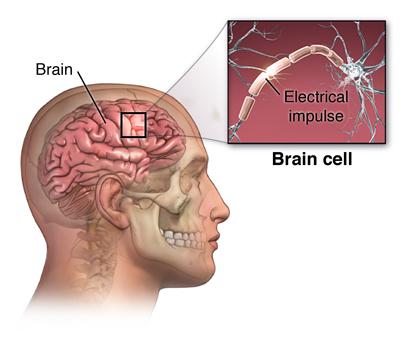
A seizure can be a frightening experience for the person having it and for those witnessing it. Generalized seizures involve networks on both sides of the brain from the onset and can affect awareness, movement, or muscle control. Recognising the signs and knowing how to respond can help protect someone during an episode and ensure they receive appropriate medical care.
At Neurology and Pain Management Clinic (NPMC), Dr. Gautam Arora, Neurologist in Delhi, patients can seek professional evaluation for seizures, epilepsy, and other neurological conditions.
What Is Generalized Seizure Disorder?
Generalized seizures begin in networks involving both sides of the brain. When a person experiences recurrent unprovoked seizures, a neurologist may diagnose epilepsy after evaluating the circumstances and relevant test results.
Generalized seizures can take different forms. Some cause a person to lose consciousness and experience involuntary muscle stiffening and jerking, while others may cause brief lapses in awareness without major body movements.
Not every seizure is caused by epilepsy. Certain infections, metabolic disturbances, head injuries, or other medical problems can also trigger seizures and require investigation.
Common Signs and Symptoms
Symptoms depend on the type of seizure. Possible signs include:
-
Tonic-clonic seizures: The person may lose consciousness, stiffen, and experience rhythmic jerking movements.
-
Absence seizures: The person may briefly stare into space and become unresponsive, then quickly return to normal activity.
-
Myoclonic seizures: Sudden, brief muscle jerks may affect the arms, shoulders, or other parts of the body.
-
Atonic seizures: A sudden loss of muscle tone may cause the person to drop objects or fall.
-
Post-seizure confusion: Some people experience tiredness, headaches, muscle soreness, or confusion after a seizure.
A first seizure, a seizure lasting five minutes or longer, repeated seizures without recovery, or breathing difficulties requires emergency medical attention.
What Should You Do During a Seizure?
Knowing basic seizure first aid can prevent injuries.
-
Stay calm and time the seizure. Note when the episode begins and how long it lasts.
-
Protect the person from injury. Move nearby sharp or hard objects and cushion the head with something soft.
-
Do not restrain movements. Allow the seizure to run its course without holding the person down.
-
Never put anything in the mouth. Do not insert fingers, spoons, food, or medication between the teeth.
-
Turn the person onto their side when possible, particularly after the jerking stops, to help keep the airway clear.
-
Stay with the person until they are alert and recovering.
Call emergency services if the seizure lasts five minutes or longer, another seizure begins before full recovery, the person has difficulty breathing or waking, the seizure occurs in water, or it is their first known seizure.
How Is Generalized Seizure Disorder Managed?
Treatment depends on the seizure type, possible cause, medical history, and investigation results. A neurologist may recommend an electroencephalogram (EEG), brain imaging, blood tests, or other assessments.
Anti-seizure medicines are commonly used to control epilepsy. Taking prescribed medication consistently is important; do not stop or change the dose without medical advice. Some patients may benefit from additional specialist treatments if seizures remain uncontrolled.
Regular sleep, avoiding known triggers, limiting alcohol, and following medical guidance can also support seizure management. People with seizures should discuss driving, swimming, bathing, and workplace safety with their healthcare professional.
Seek Neurological Care at NPMC, Delhi
Recognising seizure symptoms and responding appropriately can make a meaningful difference to safety and long-term care. Early assessment helps establish the cause and identify suitable treatment options.
At Neurology and Pain Management Clinic (NPMC), Dr. Gautam Arora, Neurologist in Delhi, patients can seek guidance for seizure-related concerns and other neurological conditions.
If you or someone you know experiences a seizure, arrange prompt medical evaluation. With an accurate diagnosis, appropriate treatment, and ongoing support, many people with epilepsy can manage their condition and lead active lives.

 English
 Arabic
 French
 Spanish
 Portuguese
 Deutsch
 Turkish
 Dutch
Dutch
 Italiano
 Russian
 Portuguese (Brazil)
 Greek
Greek